
Starting a healthy eating plan doesn’t have to be complicated or time-consuming. These 10 easy diet recipes for beginners are designed with simple ingredients, minimal prep, and maximum flavor—so you can eat well without feeling overwhelmed.
Key Takeaways
- Simple ingredients: All recipes use common, affordable ingredients you can find at any grocery store.
- Quick prep time: Most recipes take 30 minutes or less, making them perfect for busy schedules.
- Balanced nutrition: Each meal includes a mix of protein, healthy fats, and fiber to keep you full and energized.
- No cooking experience needed: Step-by-step instructions make these recipes beginner-friendly.
- Flexible and customizable: Swap ingredients based on dietary needs or preferences (vegetarian, gluten-free, etc.).
- Budget-conscious: Designed to be cost-effective without sacrificing taste or nutrition.
- Great for meal prep: Many recipes can be made ahead and stored for easy weekday meals.
Quick Answers to Common Questions
Can I substitute ingredients in these recipes?
Absolutely! These recipes are flexible. Swap chicken for tofu, dairy milk for almond milk, or any vegetables based on what you have or prefer.
Are these recipes suitable for weight loss?
Yes! They’re balanced, portion-controlled, and made with whole foods—key factors in sustainable weight loss.
How long do these meals stay fresh?
Most can be stored in the fridge for 3–4 days. Overnight oats and salads last up to 4 days; cooked proteins like chicken and salmon are best within 3 days.
Do I need special equipment to make these recipes?
No. Basic kitchen tools like a skillet, baking sheet, and mixing bowls are all you need. No fancy gadgets required.
Can I meal prep these recipes?
Yes! Many are perfect for meal prep. Cook grains, chop veggies, and store components separately for quick assembly during the week.
📑 Table of Contents
Why Easy Diet Recipes Matter for Beginners
Starting a new diet can feel overwhelming—especially if you’re new to cooking or short on time. You might think healthy eating means complicated recipes, exotic ingredients, or hours in the kitchen. But the truth is, eating well can be simple, enjoyable, and sustainable. That’s where easy diet recipes for beginners come in.
These recipes are designed to remove the guesswork and stress from healthy eating. They focus on whole, unprocessed foods like vegetables, lean proteins, whole grains, and healthy fats—ingredients that nourish your body without requiring a culinary degree to prepare. Whether you’re trying to lose weight, boost energy, or just feel better, starting with simple meals builds confidence and sets you up for long-term success.
The best part? You don’t need to sacrifice flavor. These recipes prove that healthy food can be delicious, satisfying, and even comforting. From creamy avocado toast to zesty lemon chicken, each dish is crafted to taste great while supporting your health goals. And because they’re beginner-friendly, you’ll spend less time worrying about measurements and more time enjoying your meals.
How to Get Started with Healthy Eating
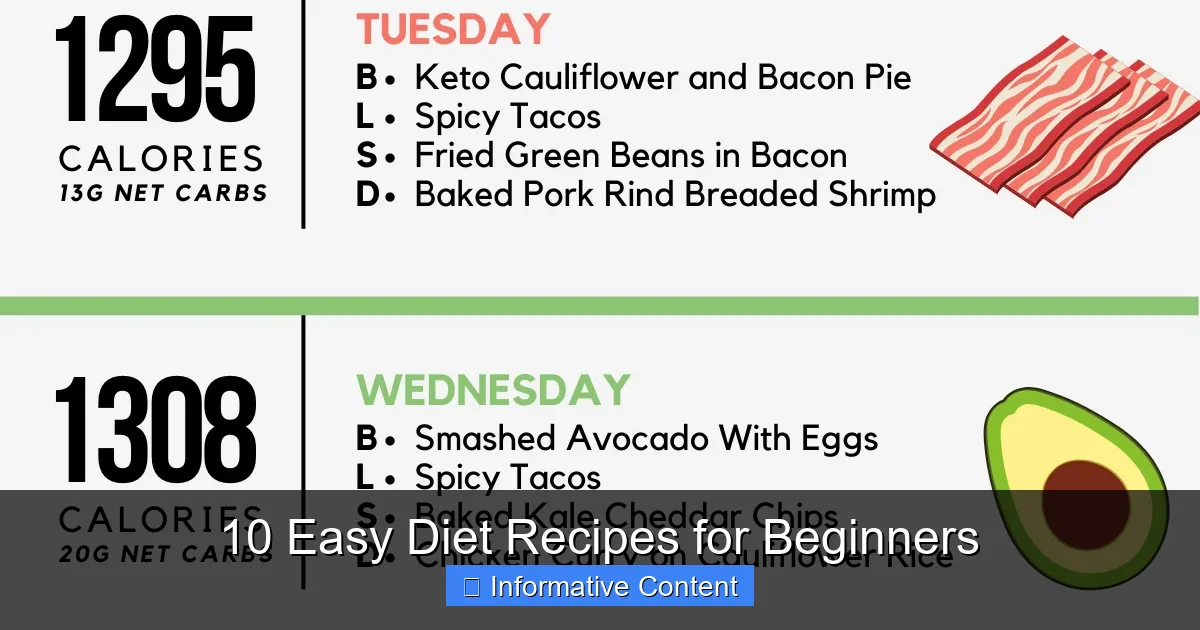
Visual guide about 10 Easy Diet Recipes for Beginners
Image source: i.pinimg.com
Before diving into the recipes, it’s helpful to understand a few foundational principles of healthy eating. These tips will help you make the most of your journey—even if you’re just starting out.
Focus on Whole Foods
The cornerstone of any healthy diet is whole, minimally processed foods. Think fresh fruits and vegetables, lean meats, fish, eggs, legumes, nuts, seeds, and whole grains. These foods are rich in nutrients and free from added sugars, unhealthy fats, and artificial ingredients. When you build your meals around these staples, you naturally reduce your intake of empty calories and boost your nutrient intake.
Balance Your Plate
A balanced meal includes three key components: protein, healthy fats, and fiber-rich carbohydrates. Protein helps maintain muscle and keeps you full. Healthy fats support brain function and hormone balance. Fiber aids digestion and stabilizes blood sugar. For example, a balanced breakfast might include scrambled eggs (protein), avocado (healthy fat), and whole-grain toast (fiber). This combination keeps you satisfied longer and prevents energy crashes.
Stay Hydrated
Water plays a crucial role in digestion, metabolism, and overall health. Sometimes, what we think is hunger is actually thirst. Aim to drink at least 8 cups of water a day, and consider starting your meals with a glass of water to help with portion control. Herbal teas and infused water (like cucumber-mint or lemon-ginger) are great alternatives if plain water feels boring.
Plan Ahead
One of the biggest challenges beginners face is deciding what to eat at the last minute. Meal planning doesn’t have to be complicated. Start by choosing 3–4 recipes for the week, making a grocery list, and prepping ingredients in advance. For example, chop vegetables on Sunday, cook a batch of quinoa, or marinate chicken for tomorrow’s dinner. Even small steps like this save time and reduce decision fatigue.
Listen to Your Body
Healthy eating isn’t about strict rules or deprivation. It’s about tuning into your body’s signals. Eat when you’re hungry, stop when you’re full, and choose foods that make you feel good. If a meal leaves you sluggish or craving sugar, it might not be the right fit—even if it’s “healthy” on paper. Experiment, adjust, and find what works best for you.
10 Easy Diet Recipes for Beginners
Now that you’re equipped with the basics, let’s dive into the recipes. Each one is simple, nutritious, and designed to make healthy eating feel effortless. Whether you’re cooking for one or feeding a family, these dishes are flexible, flavorful, and perfect for beginners.
1. Avocado Toast with Egg
This breakfast staple is creamy, satisfying, and packed with nutrients. It takes less than 10 minutes to make and uses just a handful of ingredients.
Ingredients:
– 1 slice whole-grain bread
– ½ ripe avocado
– 1 egg
– Salt and pepper to taste
– Optional: red pepper flakes, lemon juice, or cherry tomatoes
Instructions:
Toast the bread until golden. While it’s toasting, mash the avocado in a small bowl and season with salt and pepper. Fry or poach the egg to your liking. Spread the mashed avocado on the toast, top with the egg, and add any extras you like. Drizzle with lemon juice for a bright finish.
Why it works: Avocado provides healthy fats and fiber, while the egg adds high-quality protein. Whole-grain bread offers sustained energy. This combo keeps you full and focused all morning.
2. Greek Yogurt Parfait
A no-cook breakfast that’s as pretty as it is delicious. Layering yogurt, fruit, and granola creates a satisfying texture and balanced meal.
Ingredients:
– 1 cup plain Greek yogurt
– ½ cup mixed berries (fresh or frozen)
– 2 tablespoons granola
– 1 tablespoon honey or maple syrup (optional)
– 1 tablespoon chia seeds or nuts (optional)
Instructions:
In a glass or bowl, layer half the yogurt, then half the berries and granola. Repeat the layers. Drizzle with honey if desired and top with chia seeds or nuts for extra crunch and nutrients.
Why it works: Greek yogurt is high in protein and probiotics, which support gut health. Berries are rich in antioxidants, and granola adds fiber and crunch. This parfait is perfect for busy mornings or as a post-workout snack.
3. Lemon Garlic Chicken with Steamed Broccoli
A one-pan dinner that’s flavorful, low-carb, and ready in under 30 minutes. The lemon and garlic infuse the chicken with bright, zesty flavor.
Ingredients:
– 1 boneless, skinless chicken breast
– 1 tablespoon olive oil
– 2 cloves garlic, minced
– Juice of 1 lemon
– 1 teaspoon dried oregano
– Salt and pepper to taste
– 1 cup broccoli florets
Instructions:
Season the chicken with salt, pepper, and oregano. Heat olive oil in a skillet over medium heat. Add the chicken and cook for 5–6 minutes per side, until golden and cooked through. Add garlic and lemon juice in the last minute of cooking. Meanwhile, steam broccoli in a pot or microwave until tender. Serve the chicken over broccoli and drizzle with pan juices.
Why it works: Chicken is a lean protein that supports muscle maintenance. Broccoli is loaded with vitamins C and K, fiber, and antioxidants. The lemon adds vitamin C and enhances iron absorption from plant foods.
4. Quinoa Salad with Chickpeas and Veggies
A colorful, plant-based meal that’s hearty enough for lunch or dinner. Quinoa acts as a complete protein, making this dish especially filling.
Ingredients:
– 1 cup cooked quinoa
– ½ cup canned chickpeas, rinsed and drained
– ½ cup diced cucumber
– ½ cup cherry tomatoes, halved
– ¼ cup red onion, finely chopped
– 2 tablespoons olive oil
– 1 tablespoon lemon juice
– Salt and pepper to taste
– Fresh parsley or cilantro (optional)
Instructions:
In a large bowl, combine quinoa, chickpeas, cucumber, tomatoes, and red onion. In a small bowl, whisk together olive oil, lemon juice, salt, and pepper. Pour the dressing over the salad and toss to combine. Garnish with fresh herbs if desired.
Why it works: Quinoa and chickpeas provide plant-based protein and fiber. The vegetables add vitamins, minerals, and crunch. This salad is great for meal prep—store in the fridge for up to 4 days.
5. Baked Salmon with Asparagus
A simple, elegant dinner that’s rich in omega-3 fatty acids and ready in 20 minutes. Baking keeps the salmon moist and the asparagus tender.
Ingredients:
– 1 salmon fillet
– 1 bunch asparagus, trimmed
– 1 tablespoon olive oil
– 1 teaspoon garlic powder
– 1 teaspoon lemon zest
– Salt and pepper to taste
– Lemon slices (for garnish)
Instructions:
Preheat oven to 400°F (200°C). Place salmon and asparagus on a baking sheet. Drizzle with olive oil and season with garlic powder, lemon zest, salt, and pepper. Bake for 12–15 minutes, until salmon flakes easily and asparagus is tender. Serve with lemon slices.
Why it works: Salmon is one of the best sources of omega-3s, which support heart and brain health. Asparagus is high in folate, vitamin K, and fiber. This meal is both nutritious and restaurant-quality.
6. Turkey and Veggie Stir-Fry
A quick, customizable stir-fry that’s perfect for using up leftover vegetables. Lean ground turkey keeps it light yet satisfying.
Ingredients:
– 1 cup lean ground turkey
– 1 cup mixed vegetables (bell peppers, broccoli, carrots, snap peas)
– 1 tablespoon olive oil or sesame oil
– 2 tablespoons low-sodium soy sauce or tamari
– 1 teaspoon ginger, minced
– 1 clove garlic, minced
– 1 teaspoon honey or maple syrup (optional)
– Cooked brown rice or quinoa (for serving)
Instructions:
Heat oil in a large skillet or wok over medium-high heat. Add turkey and cook until browned, breaking it into small pieces. Add vegetables, garlic, and ginger, and stir-fry for 5–7 minutes until tender-crisp. Stir in soy sauce and honey. Serve over brown rice or quinoa.
Why it works: Ground turkey is a lean protein that’s lower in fat than beef. The variety of vegetables ensures a wide range of nutrients. This dish is fast, flavorful, and easy to adapt based on what’s in your fridge.
7. Overnight Oats with Berries
A make-ahead breakfast that requires zero cooking. Just mix, refrigerate, and enjoy in the morning.
Ingredients:
– ½ cup rolled oats
– ½ cup milk (dairy or plant-based)
– ½ cup plain Greek yogurt
– 1 tablespoon chia seeds
– 1 tablespoon honey or maple syrup
– ½ cup mixed berries
– Optional: nuts, cinnamon, or vanilla extract
Instructions:
In a jar or container, combine oats, milk, yogurt, chia seeds, and sweetener. Stir well, then add berries and any extras. Cover and refrigerate overnight. In the morning, give it a stir and enjoy cold.
Why it works: Oats are rich in soluble fiber, which supports heart health and keeps you full. Chia seeds add omega-3s and protein. This no-cook breakfast is perfect for busy mornings.
8. Veggie-Packed Scrambled Eggs
A protein-rich breakfast that’s loaded with nutrients and ready in minutes. Add any vegetables you have on hand.
Ingredients:
– 2 eggs
– ¼ cup diced bell peppers
– ¼ cup spinach
– 2 tablespoons diced tomatoes
– 1 tablespoon olive oil or butter
– Salt and pepper to taste
– Optional: feta cheese or avocado slices
Instructions:
Heat oil in a non-stick skillet over medium heat. Add peppers and cook for 2 minutes. Add spinach and tomatoes, and cook until wilted. Whisk eggs in a bowl, pour into the skillet, and scramble until cooked. Season with salt and pepper. Top with feta or avocado if desired.
Why it works: Eggs are a complete protein and rich in choline, which supports brain health. Vegetables add vitamins, minerals, and fiber. This dish is quick, customizable, and incredibly satisfying.
9. Black Bean and Sweet Potato Tacos
A vegetarian-friendly dinner that’s hearty, flavorful, and packed with fiber. Sweet potatoes add natural sweetness and nutrients.
Ingredients:
– 1 medium sweet potato, peeled and diced
– 1 tablespoon olive oil
– 1 teaspoon chili powder
– ½ teaspoon cumin
– 1 cup canned black beans, rinsed
– 4 small whole-wheat tortillas
– Toppings: avocado, salsa, cilantro, lime wedges
Instructions:
Preheat oven to 400°F (200°C). Toss sweet potatoes with olive oil, chili powder, and cumin. Spread on a baking sheet and roast for 20–25 minutes, until tender. Warm tortillas and fill with roasted sweet potatoes, black beans, and your favorite toppings. Squeeze lime juice over the top.
Why it works: Sweet potatoes are rich in beta-carotene and fiber. Black beans provide plant-based protein and iron. These tacos are colorful, nutritious, and fun to eat.
10. Cottage Cheese with Fruit and Nuts
A simple, high-protein snack or light meal that’s ready in seconds. Cottage cheese is a versatile base for sweet or savory toppings.
Ingredients:
– 1 cup low-fat cottage cheese
– ½ cup sliced peaches, strawberries, or pineapple
– 1 tablespoon chopped almonds or walnuts
– 1 teaspoon honey (optional)
– Sprinkle of cinnamon (optional)
Instructions:
Scoop cottage cheese into a bowl. Top with fruit, nuts, and a drizzle of honey if desired. Sprinkle with cinnamon for extra flavor.
Why it works: Cottage cheese is high in protein and low in calories, making it ideal for weight management. Fruit adds natural sweetness and vitamins, while nuts provide healthy fats and crunch.
Tips for Success with Easy Diet Recipes
Even the best recipes won’t help if you’re not set up for success. Here are a few practical tips to make your healthy eating journey smoother and more enjoyable.
Keep a Well-Stocked Pantry
Having healthy staples on hand makes it easier to throw together a nutritious meal. Stock up on canned beans, tomatoes, tuna, whole grains, nuts, seeds, olive oil, spices, and frozen vegetables. These ingredients have long shelf lives and can be used in countless recipes.
Invest in Basic Kitchen Tools
You don’t need fancy equipment, but a few essentials make cooking easier. A good knife, cutting board, non-stick skillet, baking sheet, and mixing bowls are enough to get started. A vegetable peeler, can opener, and measuring cups are also helpful.
Start Small and Build Confidence
Don’t try to overhaul your diet overnight. Pick one or two recipes to try this week. Once you’re comfortable, add more. Celebrate small wins—like cooking dinner instead of ordering takeout—and build from there.
Don’t Fear Mistakes
Cooking is a skill that improves with practice. If a recipe doesn’t turn out perfectly, that’s okay. Learn from it and try again. Even experienced cooks burn meals sometimes!
Involve the Family
If you’re cooking for others, get them involved. Let kids wash vegetables or stir ingredients. When people help prepare a meal, they’re more likely to enjoy eating it.
Conclusion
Starting a healthy diet doesn’t have to be complicated, expensive, or time-consuming. With these 10 easy diet recipes for beginners, you can enjoy delicious, nutritious meals without spending hours in the kitchen or breaking the bank. From creamy avocado toast to zesty lemon chicken, each recipe is designed to be simple, satisfying, and sustainable.
Remember, the goal isn’t perfection—it’s progress. Focus on consistency, listen to your body, and make choices that support your long-term health. Over time, these small changes add up to big results. So grab a skillet, chop some veggies, and take the first step toward a healthier, happier you. Your future self will thank you.
Frequently Asked Questions
Are these recipes gluten-free?
Most can be made gluten-free with simple swaps. Use gluten-free oats, tamari instead of soy sauce, and certified gluten-free grains like quinoa.
Can I freeze these meals?
Some recipes freeze well, like soups or casseroles, but others (like salads or avocado toast) are best eaten fresh. Check individual recipes for freezing tips.
Are these recipes kid-friendly?
Yes! Many are mild in flavor and easy to customize. Involve kids in prep to make mealtime fun and educational.
How many calories are in each recipe?
Calorie counts vary, but most range from 300–500 per serving. Use a nutrition app to calculate exact values based on your ingredients.
Can I eat these recipes if I’m vegetarian or vegan?
Absolutely. Several recipes are plant-based or can be easily adapted—like swapping chicken for tofu or using plant-based yogurt.
Where can I find more easy diet recipes?
Look for beginner-friendly cookbooks, reputable health websites, or follow nutrition-focused social media accounts for inspiration and new ideas.