
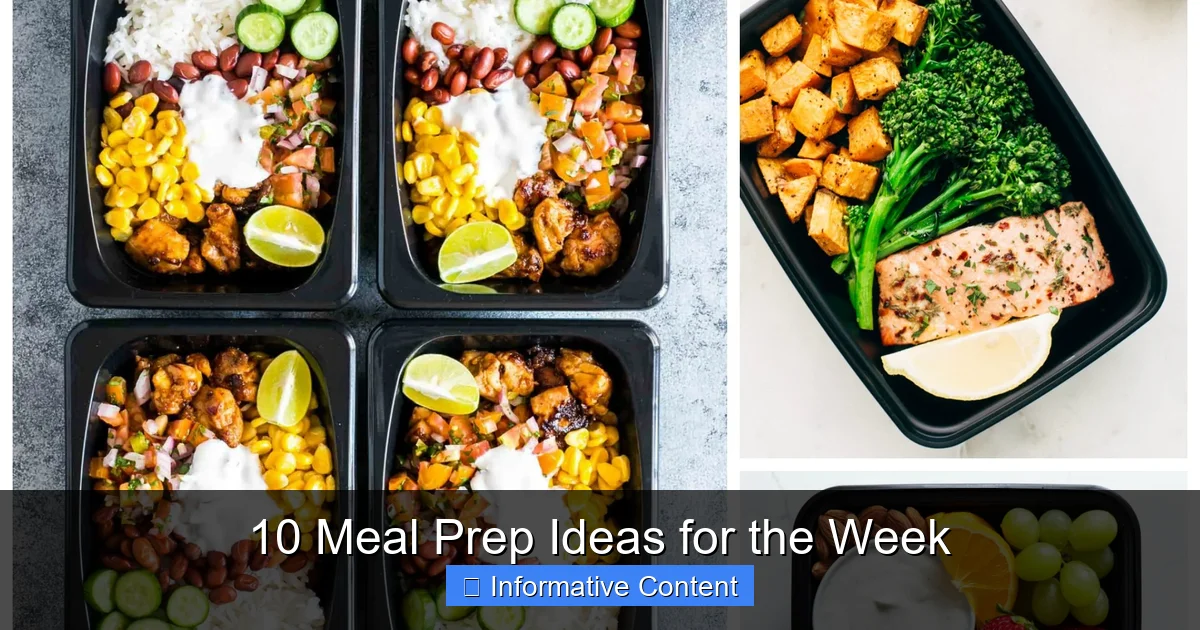
Struggling to eat healthy during the week? These 10 meal prep ideas for the week will transform your routine with simple, nutritious, and flavorful dishes. From protein-packed breakfasts to hearty dinners, you’ll save time, reduce stress, and stay on track with your health goals—no daily cooking required.
Key Takeaways
- Save time and reduce stress: Preparing meals in advance eliminates daily decision-making and cooking, giving you more free time during the week.
- Boost nutrition and consistency: Meal prepping helps you control ingredients, portion sizes, and calorie intake, supporting healthier eating habits.
- Minimize food waste: Planning meals in advance means you only buy what you need, reducing spoilage and saving money.
- Stay on track with goals: Whether you’re losing weight, building muscle, or eating cleaner, prepped meals keep you accountable.
- Enjoy variety without chaos: With smart planning, you can enjoy diverse, exciting meals all week long—no repetition fatigue.
- Customize for dietary needs: These meal prep ideas work for vegetarians, gluten-free, keto, and other diets with simple swaps.
- Start small and scale up: You don’t need to prep all meals at once—begin with lunches or snacks and build from there.
Quick Answers to Common Questions
How long do prepped meals last in the fridge?
Most prepped meals stay fresh for 3–5 days when stored in airtight containers. Soups, stews, and grain bowls often last up to 5 days, while salads with dressing should be eaten within 2–3 days.
Can I freeze meal prep dishes?
Yes! Soups, stews, casseroles, and cooked grains freeze well for up to 3 months. Avoid freezing dishes with raw vegetables or creamy sauces, as they may separate or become soggy.
Do I need special containers for meal prep?
Airtight, BPA-free containers are ideal. Glass containers are durable and microwave-safe, while plastic ones are lightweight and portable. Choose sizes that match your portion needs.
How can I keep meals from getting soggy?
Store wet ingredients (like dressing or sauce) separately and add them just before eating. Use sturdy vegetables like carrots and broccoli, and avoid overcooking grains.
Is meal prep expensive?
Not at all! Buying ingredients in bulk, using seasonal produce, and reducing food waste actually saves money. Plus, you’ll spend less on takeout and snacks.
📑 Table of Contents
- Why Meal Prep Is a Game-Changer for Busy Lives
- Getting Started: The Basics of Successful Meal Prep
- 10 Meal Prep Ideas for the Week: Breakfast, Lunch, and Dinner
- Tips for Staying Consistent with Meal Prep
- Customizing Meal Prep for Different Diets and Lifestyles
- Conclusion: Make Meal Prep Work for You
Why Meal Prep Is a Game-Changer for Busy Lives
Let’s be honest—between work, family, errands, and the occasional Netflix binge, finding time to cook healthy meals every day feels impossible. That’s where meal prep comes in. It’s not about spending your entire Sunday in the kitchen or eating the same bland chicken and rice for seven days straight. Instead, meal prep is a smart, flexible strategy that gives you control over your nutrition, saves you time, and reduces the daily stress of “What’s for dinner?”
Think of meal prep as your personal food assistant. By dedicating a few hours once a week—usually on Sunday or another free day—you can prepare components or full meals that are ready to grab and go. This doesn’t mean you’re locked into rigid routines. In fact, the best meal prep ideas for the week are built on variety, flavor, and simplicity. You’re not just saving time; you’re investing in your health, your wallet, and your peace of mind.
Whether you’re a busy professional, a parent juggling school schedules, or someone trying to eat better without the daily hassle, meal prepping is one of the most effective habits you can adopt. And the best part? You don’t need to be a chef or own a full set of fancy kitchen gadgets. With a few basic tools—like containers, a good knife, and a reliable oven or stovetop—you can create delicious, nutritious meals that keep you energized all week long.
Getting Started: The Basics of Successful Meal Prep
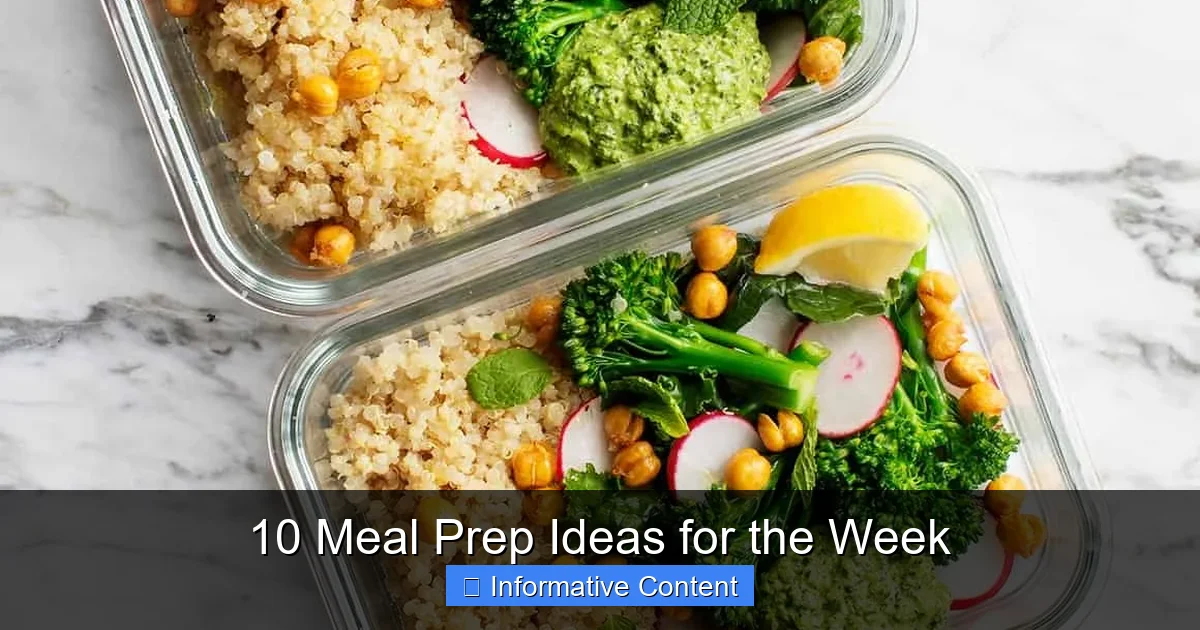
Visual guide about 10 Meal Prep Ideas for the Week
Image source: cdn.loveandlemons.com
Before diving into the 10 meal prep ideas for the week, it’s important to lay the groundwork. Successful meal prep isn’t just about cooking—it’s about planning, organizing, and setting yourself up for success. Start by assessing your schedule. How many meals do you need to prep? Are you focusing on lunches, dinners, or both? Do you have dietary restrictions or preferences, like vegetarian, low-carb, or gluten-free?
Next, take inventory of your kitchen. You’ll need airtight containers in various sizes—glass or BPA-free plastic work best. A good set of measuring cups, a sharp knife, cutting boards, and basic cookware (like baking sheets, pots, and pans) are essential. If you’re serious about efficiency, consider investing in a rice cooker, slow cooker, or Instant Pot—these appliances can save hours of hands-on cooking time.
Now, plan your menu. Choose recipes that use overlapping ingredients to save money and reduce waste. For example, if you’re making a stir-fry with bell peppers and onions, use the same veggies in a frittata or grain bowl later in the week. Aim for balance: include lean proteins, complex carbs, healthy fats, and plenty of colorful vegetables. And don’t forget snacks—prepping healthy options like cut fruit, nuts, or yogurt cups can prevent impulsive junk food runs.
Finally, set a prep day. Most people choose Sunday, but pick a day that works for you. Block out 2–3 hours, put on some music, and treat it like a productive ritual. Wash and chop veggies, cook grains and proteins, and portion everything into containers. Label them with dates so you know what to eat first. With this foundation, you’re ready to tackle the 10 meal prep ideas for the week with confidence.
10 Meal Prep Ideas for the Week: Breakfast, Lunch, and Dinner
Now for the fun part—your go-to meal prep ideas for the week. These recipes are designed to be simple, nutritious, and delicious, with minimal cleanup and maximum flavor. Whether you’re a meat lover, plant-based eater, or somewhere in between, there’s something here for everyone.
1. Overnight Oats with Berries and Almond Butter
Overnight oats are the ultimate grab-and-go breakfast. Simply mix rolled oats with milk (dairy or plant-based), chia seeds, a touch of honey or maple syrup, and your favorite toppings—like fresh berries, sliced banana, or a spoonful of almond butter. Store in mason jars or containers and let them sit in the fridge overnight. In the morning, you’ve got a creamy, satisfying breakfast ready in seconds. Plus, you can make a big batch and customize flavors throughout the week—try cinnamon and apple, peanut butter and chocolate, or tropical mango and coconut.
2. Veggie-Packed Egg Muffins
These egg muffins are a protein powerhouse and perfect for busy mornings. Whisk together eggs, diced bell peppers, spinach, onions, and a sprinkle of cheese (optional). Pour into a greased muffin tin and bake at 350°F for 20–25 minutes. They store well in the fridge for up to 5 days and can be reheated in the microwave or toaster oven. Add cooked turkey sausage or crumbled tofu for extra protein. They’re also great for on-the-go breakfasts or quick snacks.
3. Quinoa and Black Bean Bowls
These colorful bowls are packed with fiber, protein, and flavor. Start with a base of cooked quinoa, then add black beans, roasted sweet potatoes, corn, avocado slices, and a squeeze of lime. Top with a simple cilantro-lime dressing or a dollop of Greek yogurt. You can prep all the components separately and assemble them fresh each day to keep the avocado from browning. These bowls are vegan-friendly and can be customized with different veggies or grains like brown rice or farro.
4. Chicken and Veggie Stir-Fry
Stir-fries are quick to cook and even quicker to reheat. Slice chicken breast into strips and sauté with broccoli, snap peas, carrots, and bell peppers in a bit of olive oil or sesame oil. Add a simple sauce made from soy sauce, garlic, ginger, and a touch of honey. Serve over brown rice, quinoa, or cauliflower rice. Prep the chicken and veggies in advance, then cook in batches or freeze portions for later. This dish is high in protein and low in effort—perfect for weeknight dinners.
5. Lentil and Vegetable Soup
A big pot of hearty soup can feed you for days. Sauté onions, carrots, and celery, then add lentils, diced tomatoes, vegetable broth, and spices like cumin, turmeric, and bay leaves. Simmer until the lentils are tender—about 30–40 minutes. This soup freezes beautifully and tastes even better the next day. Serve with a slice of whole-grain bread or a side salad. It’s vegetarian, high in fiber, and incredibly filling.
6. Turkey and Sweet Potato Skillet
This one-pan meal is a dinner winner. Brown lean ground turkey with diced sweet potatoes, onions, and garlic. Add spinach, black beans, and a sprinkle of chili powder for a Southwest twist. Serve with a side of avocado or a dollop of sour cream. The entire dish cooks in under 30 minutes and can be portioned into containers for easy reheating. It’s balanced, flavorful, and perfect for meal prep.
7. Greek Yogurt Parfaits
For a healthy snack or light breakfast, layer Greek yogurt with granola, fresh fruit, and a drizzle of honey. Use clear containers so you can see the beautiful layers. Choose low-sugar granola and mix in nuts or seeds for extra crunch and nutrients. These parfaits are high in protein and probiotics, supporting gut health and keeping you full between meals.
8. Baked Salmon with Roasted Vegetables
Salmon is rich in omega-3 fatty acids and cooks quickly in the oven. Season fillets with lemon, garlic, and dill, then bake at 400°F for 12–15 minutes. Roast a mix of veggies like broccoli, zucchini, and cherry tomatoes on the same sheet pan. Portion into containers and enjoy throughout the week. Pair with quinoa or wild rice for a complete meal. This dish is elegant enough for guests but easy enough for weeknights.
9. Chickpea and Spinach Curry
This plant-based curry is creamy, spicy, and deeply satisfying. Sauté onions, garlic, and ginger, then add curry powder, turmeric, and coconut milk. Stir in chickpeas and fresh spinach until wilted. Serve over basmati rice or with naan bread. The flavors deepen over time, so it’s even better on day two or three. It’s vegan, gluten-free, and packed with plant-based protein.
10. Mason Jar Salads
Mason jar salads are a fun and practical way to keep greens fresh. Layer ingredients from the bottom up: start with dressing, then add hearty veggies (like cucumbers and carrots), followed by proteins (chickpeas, grilled chicken, or hard-boiled eggs), and finish with leafy greens on top. When you’re ready to eat, just shake and pour into a bowl. These salads stay crisp for up to 5 days and are perfect for packed lunches.
Tips for Staying Consistent with Meal Prep
Even the best meal prep ideas for the week can fall by the wayside if you don’t stay consistent. The key is to make it a habit, not a chore. Start small—maybe just prepping lunches for three days instead of the whole week. Use a meal planning app or a simple notebook to track your menu and grocery list. This helps you stay organized and avoid last-minute takeout.
Another tip: involve the family. If you have kids or a partner, assign tasks like washing veggies or packing containers. It turns meal prep into a shared activity and teaches healthy habits. Plus, when everyone contributes, you’re more likely to stick with it.
Don’t forget to rotate recipes. While repetition can be helpful, eating the same thing every day gets boring fast. Aim for variety by switching up proteins, grains, and sauces. Try new spices or international flavors—like Thai peanut sauce, Mexican salsa, or Mediterranean herbs—to keep things exciting.
Finally, be flexible. Life happens. If you miss your prep day, don’t stress. Cook a simple meal and prep a few snacks instead. The goal isn’t perfection—it’s progress. Over time, meal prepping will become second nature, and you’ll wonder how you ever lived without it.
Customizing Meal Prep for Different Diets and Lifestyles
One of the biggest myths about meal prep is that it’s only for fitness fanatics or people on strict diets. In reality, meal prep is for everyone—no matter your dietary needs or lifestyle. The 10 meal prep ideas for the week can easily be adapted to fit vegetarian, vegan, keto, paleo, gluten-free, or low-sodium diets.
For example, swap chicken for tofu or tempeh in stir-fries and skillets. Use cauliflower rice instead of grains for low-carb options. Choose gluten-free oats and tamari instead of soy sauce for gluten-sensitive eaters. For vegans, skip the eggs and dairy, and use plant-based yogurt and cheese alternatives.
If you’re following a keto diet, focus on high-fat, low-carb ingredients like avocado, olive oil, nuts, and fatty fish. Replace rice and quinoa with zucchini noodles or cauliflower mash. For paleo eaters, avoid legumes and dairy, and lean into meats, vegetables, and natural fats.
Even if you’re not on a specific diet, you can tailor meal prep to your preferences. Love spicy food? Add jalapeños or hot sauce to your dishes. Prefer mild flavors? Stick to herbs like basil, parsley, and oregano. The beauty of meal prep is that it’s personal—you decide what goes into your meals.
Conclusion: Make Meal Prep Work for You
Meal prep isn’t about perfection—it’s about progress. These 10 meal prep ideas for the week are designed to make healthy eating easier, more affordable, and more enjoyable. By planning ahead, you’re not just saving time; you’re taking control of your health and well-being.
Start with one or two recipes, build your confidence, and gradually expand your repertoire. Remember, the goal is sustainability, not stress. With a little practice, meal prepping will become a natural part of your routine, helping you eat better, feel better, and live better—one delicious meal at a time.
Frequently Asked Questions
What is the best day to meal prep?
Most people prefer Sunday, but choose a day that fits your schedule. The key is consistency—pick a day you can stick to each week.
Can I meal prep if I have a small kitchen?
Absolutely! Focus on no-cook options like salads and overnight oats, or use one-pot recipes. Even a microwave or toaster oven can help with simple prep.
How do I prevent boredom with meal prep?
Rotate recipes weekly, experiment with spices and sauces, and try new cuisines. Variety keeps things exciting and prevents burnout.
Are meal prep ideas suitable for kids?
Yes! Involve kids in choosing recipes and prepping simple items like fruit or sandwiches. Make it fun with colorful containers and their favorite foods.
Can I meal prep on a budget?
Definitely. Buy frozen vegetables, use affordable proteins like beans and eggs, and plan meals around sales and seasonal produce.
Do I have to cook everything at once?
No. You can prep ingredients (like chopping veggies or cooking grains) and assemble meals fresh each day. This saves time and keeps food crisp.