
Struggling to eat well on a budget? These 5 low-cost meals for daily cooking prove that affordability doesn’t mean sacrificing flavor or nutrition. From hearty bean stews to veggie-packed stir-fries, each recipe is simple, satisfying, and costs under $2 per serving.
Key Takeaways
- Affordable ingredients can be nutritious: Staples like beans, rice, eggs, and seasonal vegetables offer great value and health benefits.
- Batch cooking saves time and money: Preparing large portions reduces waste and cuts down on daily cooking stress.
- Simple recipes don’t mean bland meals: With smart seasoning and technique, even basic ingredients shine.
- Frozen and canned produce are budget heroes: They’re often cheaper, last longer, and retain most nutrients.
- Eggs are a versatile, protein-rich option: Perfect for breakfast, lunch, or dinner at a fraction of the cost of meat.
- Plant-based meals stretch your dollar further: Beans, lentils, and grains are cheaper than meat and packed with fiber and protein.
- Planning ahead prevents impulse spending: A weekly meal plan helps you buy only what you need.
Quick Answers to Common Questions
What are the cheapest protein sources for daily cooking?
Eggs, lentils, beans, and tofu are among the most affordable protein sources. They’re nutritious, versatile, and cost far less than meat per serving.
Can I freeze these low-cost meals?
Yes! Most of these meals—like lentil soup, fried rice, and bean tacos—freeze well. Store in airtight containers for up to three months.
How can I make cheap meals taste better?
Use bold seasonings like garlic, chili flakes, cumin, and lemon juice. A little acidity or heat can transform simple ingredients into something delicious.
Are frozen vegetables as healthy as fresh?
Yes! Frozen vegetables are flash-frozen at peak ripeness and retain most of their nutrients. They’re also often cheaper and last longer.
How do I avoid boredom with the same meals?
Rotate ingredients, try new spices, or change up the format—turn soup into a stew, or serve rice as a bowl instead of a side.
📑 Table of Contents
- Why Low-Cost Meals Matter in Daily Cooking
- 1. Hearty Lentil and Vegetable Soup
- 2. Egg and Vegetable Fried Rice
- 3. Black Bean and Sweet Potato Tacos
- 4. Pasta with Garlic, Olive Oil, and Greens
- 5. Oatmeal with Fruit and Nuts
- How to Make Low-Cost Cooking Sustainable
- Final Thoughts: Eating Well Doesn’t Have to Be Expensive
Why Low-Cost Meals Matter in Daily Cooking
Let’s be honest—cooking every day can feel overwhelming, especially when you’re watching your wallet. Between rising grocery prices and busy schedules, it’s easy to fall into the trap of convenience foods or takeout. But what if you could eat well, save money, and still enjoy delicious, homemade meals? That’s where low-cost meals for daily cooking come in.
These aren’t sad, boring dishes made from scraps. Instead, they’re smart, satisfying meals built around affordable staples that are easy to find, store, and cook. Think beans, rice, eggs, pasta, and seasonal vegetables—ingredients that cost pennies per serving but deliver big on nutrition and flavor. The best part? You don’t need fancy equipment or advanced skills. Just a pot, a pan, and a little planning.
In this guide, we’ll explore five of the most practical, budget-friendly meals you can cook regularly. Each one is designed to feed a family of four for under $8 total—yes, really! Whether you’re a student, a busy parent, or just trying to stretch your grocery budget, these recipes will help you eat better without breaking the bank.
1. Hearty Lentil and Vegetable Soup

Visual guide about 5 Low-cost Meals for Daily Cooking
Image source: urbakicooking.com
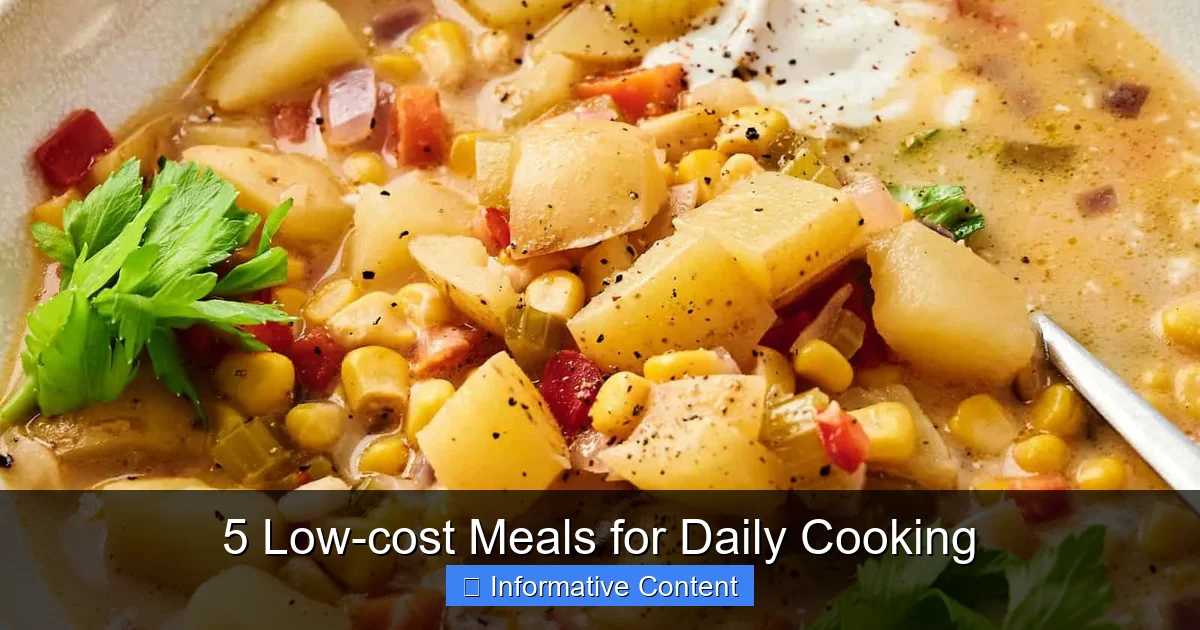
One of the most reliable low-cost meals for daily cooking is a big pot of lentil and vegetable soup. It’s warm, filling, and packed with protein, fiber, and essential vitamins. Plus, it’s incredibly forgiving—you can toss in whatever veggies you have on hand, and it’ll still taste great.
Why It’s a Budget Winner
Lentils are one of the cheapest sources of plant-based protein you can buy. A one-pound bag of dried lentils costs around $1.50 and makes six to eight servings. Add in some carrots, onions, celery, and canned tomatoes—ingredients that are usually under $3 total—and you’ve got a nutritious meal for less than $5.
This soup also freezes beautifully. Make a big batch on Sunday, and you’ll have ready-to-eat lunches or dinners for the rest of the week. Just reheat with a splash of water or broth to bring it back to life.
Simple Recipe Breakdown
Start by sautéing one chopped onion, two minced garlic cloves, and a chopped carrot and celery stalk in a bit of oil. Add one cup of dried lentils, four cups of water or vegetable broth, one can of diced tomatoes, and a teaspoon each of cumin, paprika, and dried thyme. Bring to a boil, then simmer for 25–30 minutes until the lentils are tender. Season with salt and pepper to taste.
Feel free to add spinach, kale, or frozen peas in the last few minutes for extra greens. A squeeze of lemon at the end brightens the flavor and adds a touch of freshness.
Tips for Maximum Savings
Buy lentils and dried spices in bulk—they last for months and cost less per ounce. Use frozen vegetables if fresh ones are pricey. And don’t skip the broth: homemade vegetable scrap broth (made from onion skins, carrot tops, and celery ends) is free and adds depth.
2. Egg and Vegetable Fried Rice
Fried rice is a classic go-to for using up leftovers, and when made with eggs and veggies, it becomes a complete, balanced meal. This dish is fast, flexible, and one of the most satisfying low-cost meals for daily cooking.
Why It’s a Kitchen Staple
Rice is one of the cheapest carbohydrates available, and eggs are an affordable source of high-quality protein. Together, they create a filling dish that keeps you full for hours. Add in whatever vegetables you have—frozen peas, chopped carrots, bell peppers, or even leftover roasted veggies—and you’ve got a colorful, nutritious plate.
This meal is also perfect for reducing food waste. Got half a zucchini or a few wilted scallions? Toss them in. Fried rice doesn’t demand perfection—it thrives on improvisation.
Simple Recipe Breakdown
Cook two cups of rice (preferably day-old, as it fries better). In a large pan or wok, heat a tablespoon of oil and scramble two to three eggs. Remove and set aside. Add another splash of oil, then stir-fry chopped onions, garlic, and your choice of diced vegetables for 3–4 minutes. Add the rice and cook, stirring often, until heated through. Return the eggs to the pan, add a splash of soy sauce (or tamari for gluten-free), and toss everything together. Garnish with chopped green onions or a drizzle of sesame oil if you have it.
Tips for Maximum Savings
Use brown rice for extra fiber and nutrients—it’s only slightly more expensive and lasts longer. Buy eggs in flats (18-count) for better value. And keep a bag of frozen mixed vegetables in your freezer—they’re pre-chopped, never go bad, and cost less than fresh.
3. Black Bean and Sweet Potato Tacos
Tacos might sound like a treat, but when made with pantry staples, they’re one of the most affordable and fun low-cost meals for daily cooking. Black beans and sweet potatoes are both nutrient-dense, filling, and incredibly cheap—especially when bought in bulk or frozen.
Why It’s a Flavor-Packed Favorite
Sweet potatoes are rich in vitamin A, fiber, and complex carbs, while black beans provide plant-based protein and iron. Together, they create a satisfying filling that’s naturally sweet, smoky, and savory. Plus, tacos are interactive—everyone can customize their own, which makes mealtime more enjoyable.
This meal is also great for picky eaters. Serve the filling with soft tortillas, and let each person add their own toppings: shredded cabbage, salsa, avocado (if in season), or a squeeze of lime.
Simple Recipe Breakdown
Preheat your oven to 400°F (200°C). Peel and dice one large sweet potato into small cubes. Toss with a tablespoon of oil, a teaspoon of chili powder, a pinch of cumin, salt, and pepper. Spread on a baking sheet and roast for 25–30 minutes, flipping halfway, until tender and slightly caramelized.
While the sweet potatoes roast, heat one can of black beans (drained and rinsed) in a small pot with a splash of water, a pinch of garlic powder, and a squeeze of lime. Warm your tortillas in a dry pan or microwave.
Assemble tacos by filling each tortilla with roasted sweet potatoes and black beans. Top with shredded lettuce, diced tomatoes, or a dollop of plain yogurt instead of sour cream.
Tips for Maximum Savings
Buy dried black beans and cook them yourself—they’re much cheaper than canned and taste fresher. Use corn tortillas instead of flour—they’re often less expensive and have a lower glycemic index. And grow your own herbs like cilantro or parsley in a windowsill pot to save on fresh garnishes.
4. Pasta with Garlic, Olive Oil, and Greens
Sometimes the simplest meals are the best. This pasta dish takes less than 20 minutes, uses just five ingredients, and costs under $3 for four servings. It’s a perfect example of how low-cost meals for daily cooking can still feel special.
Why It’s a Weeknight Hero
Pasta is cheap, shelf-stable, and cooks quickly. When paired with garlic, olive oil, and leafy greens, it becomes a balanced meal with carbs, healthy fats, and vitamins. This dish is also naturally vegetarian and can easily be made vegan by skipping cheese.
It’s ideal for busy nights when you don’t have time to chop a dozen ingredients. Just boil water, sauté garlic, wilt some greens, and toss it all together.
Simple Recipe Breakdown
Cook one pound of pasta (spaghetti, linguine, or penne) according to package instructions. Reserve one cup of pasta water before draining.
In a large pan, heat three tablespoons of olive oil over medium heat. Add four minced garlic cloves and cook for 1–2 minutes until fragrant—don’t let it burn. Add two big handfuls of chopped greens (spinach, kale, or chard) and stir until wilted. Toss in the cooked pasta, adding a splash of pasta water to create a silky sauce. Season with salt, pepper, and red pepper flakes if you like heat.
Finish with a sprinkle of grated Parmesan or nutritional yeast for a cheesy flavor.
Tips for Maximum Savings
Buy pasta in bulk or on sale—it keeps for months. Use frozen spinach or kale if fresh greens are expensive. And don’t waste pasta water—it’s free, starchy, and helps bind the sauce naturally.
5. Oatmeal with Fruit and Nuts
Breakfast doesn’t have to be boring or expensive. Oatmeal is one of the most underrated low-cost meals for daily cooking—it’s cheap, filling, and endlessly customizable. With a few smart additions, it becomes a nutrient-packed start to your day.
Why It’s a Breakfast Champion
A large container of rolled oats costs around $3 and makes 10–12 servings. That’s less than 30 cents per bowl. Add in seasonal fruit, a spoonful of peanut butter, or a sprinkle of nuts, and you’ve got a meal that’s rich in fiber, protein, and healthy fats.
Oatmeal also helps stabilize blood sugar, keeps you full longer, and supports heart health. Plus, it’s naturally gluten-free if you use certified oats.
Simple Recipe Breakdown
Combine one cup of oats with two cups of water or milk (dairy or plant-based) in a pot. Bring to a simmer and cook for 5–7 minutes, stirring occasionally, until creamy. Alternatively, use the microwave: mix oats and liquid in a bowl and cook for 2–3 minutes.
Top with sliced bananas, apples, or berries. Add a tablespoon of peanut butter, a sprinkle of cinnamon, or a few chopped walnuts for extra flavor and crunch.
For a make-ahead option, try overnight oats: mix oats, milk, chia seeds, and a sweetener like honey or maple syrup in a jar. Refrigerate overnight and enjoy cold in the morning.
Tips for Maximum Savings
Buy oats in bulk bins or large bags. Use frozen fruit instead of fresh—it’s often cheaper and just as nutritious. And repurpose nut butters: a little goes a long way, and they add richness without costing much per serving.
How to Make Low-Cost Cooking Sustainable
Cooking on a budget isn’t just about cheap ingredients—it’s about smart habits that make affordable eating easy and enjoyable. Here are a few strategies to keep your low-cost meals for daily cooking consistent and stress-free.
Plan Your Meals Weekly
Take 15 minutes on Sunday to plan your meals for the week. Write down what you’ll cook each night, then make a shopping list based on that plan. This prevents impulse buys and ensures you use what you already have.
Embrace Batch Cooking
Cook large portions of grains, beans, or soups at once. Store them in the fridge or freezer for quick meals later. For example, cook a big pot of rice and use it for fried rice, burrito bowls, or stir-fries throughout the week.
Shop Seasonally and Locally
Fruits and vegetables are cheapest when they’re in season. Visit farmers’ markets or check store flyers for sales. In winter, focus on root vegetables, citrus, and squash. In summer, enjoy tomatoes, zucchini, and berries.
Use What You Have
Before shopping, take inventory of your pantry, fridge, and freezer. Challenge yourself to create a meal from leftovers or near-expired items. This reduces waste and saves money.
Keep a Well-Stocked Pantry
A few key staples make low-cost cooking possible: rice, pasta, beans, lentils, oats, canned tomatoes, onions, garlic, olive oil, and basic spices. When these are on hand, you can whip up a meal anytime.
Final Thoughts: Eating Well Doesn’t Have to Be Expensive
It’s easy to assume that healthy, delicious food comes with a high price tag. But as these five low-cost meals for daily cooking show, that’s simply not true. With a little planning, creativity, and knowledge of affordable ingredients, you can eat well every day—without overspending.
These recipes aren’t just about saving money. They’re about reclaiming control over your meals, reducing food waste, and enjoying the process of cooking. Whether you’re feeding a family, living alone, or just trying to eat better, these dishes prove that simplicity and affordability can go hand in hand.
So next time you’re staring into your pantry wondering what to make, remember: a hearty soup, a colorful stir-fry, or a bowl of warm oatmeal might be just a few ingredients away. Start small, stay consistent, and soon, low-cost cooking will feel less like a chore and more like a habit you actually enjoy.
Frequently Asked Questions
What are the best pantry staples for low-cost cooking?
Keep rice, pasta, beans, lentils, oats, canned tomatoes, onions, garlic, and basic spices on hand. These form the base of countless affordable meals.
How much can I save by cooking these meals?
Most of these recipes cost under $2 per serving. Over a week, that can save you $50–$100 compared to eating out or buying pre-made meals.
Can I make these meals vegetarian or vegan?
Absolutely! All five recipes are naturally vegetarian, and most can be made vegan with minor swaps like using plant-based milk or skipping cheese.
What if I don’t have a lot of cooking experience?
These meals are designed for beginners. They use simple techniques like boiling, sautéing, and roasting—no advanced skills required.
How do I prevent food waste while cooking on a budget?
Plan meals, use leftovers creatively, and store food properly. Freeze extras and repurpose ingredients across multiple dishes.
Are these meals suitable for kids?
Yes! Most are mild in flavor and can be customized. Serve tacos with mild toppings or add cheese to oatmeal for picky eaters.