
Struggling to eat healthy without breaking the bank? These 6 budget meal prep ideas prove you can save money, reduce waste, and eat well all week long. From hearty grain bowls to freezer-friendly soups, each plan is simple, nutritious, and designed for real life.
Key Takeaways
- Plan ahead to cut costs: Meal prepping reduces impulse buys and food waste, saving you up to 30% on groceries.
- Focus on affordable staples: Beans, rice, oats, eggs, and frozen veggies are cheap, filling, and packed with nutrients.
- Batch cooking saves time: Spend one hour prepping to enjoy five days of ready-to-eat meals.
- Repurpose leftovers creatively: Turn roasted chicken into tacos or stir-fry to keep meals exciting.
- Freezer-friendly options extend shelf life: Soups, stews, and casseroles freeze well for future busy weeks.
- Simple seasoning makes a big difference: A few herbs and spices can transform bland ingredients into flavorful dishes.
- Portion control supports health goals: Pre-portioned meals help manage calories and prevent overeating.
Quick Answers to Common Questions
What is budget meal prep?
Budget meal prep is the practice of planning and preparing meals in advance using affordable, nutritious ingredients to save money, reduce waste, and eat healthier.
How much can I save with meal prep?
Most people save 20–30% on groceries by meal prepping, thanks to reduced impulse buys, less food waste, and smarter shopping.
Do I need special equipment for meal prep?
No. Basic tools like pots, pans, a knife, cutting board, and airtight containers are enough to get started.
Can I freeze meal prep dishes?
Yes! Soups, stews, casseroles, and grain bowls freeze well for up to 3 months. Just thaw and reheat when ready to eat.
Is meal prep only for weight loss?
No. Meal prep supports any goal—weight loss, muscle gain, saving time, or eating healthier. It’s about control and consistency.
📑 Table of Contents
- Why Budget Meal Prep Is a Game-Changer
- 1. Hearty Bean and Rice Bowls
- 2. Overnight Oats for Breakfast
- 3. Veggie-Packed Lentil Soup
- 4. Egg and Veggie Muffins
- 5. Chicken and Sweet Potato Skillet
- 6. Pasta with Marinara and White Beans
- Tips for Successful Budget Meal Prep
- How to Save Even More
- Final Thoughts
Why Budget Meal Prep Is a Game-Changer
Let’s be honest—eating healthy on a tight budget can feel like trying to solve a puzzle with missing pieces. Between rising grocery prices and busy schedules, it’s easy to fall into the trap of takeout, frozen dinners, or skipping meals altogether. But what if you could eat well, save money, and still have time for your life? That’s where budget meal prep comes in.
Meal prepping isn’t just for fitness fanatics or Instagram influencers. It’s a practical strategy anyone can use to take control of their food, their wallet, and their time. By planning and preparing meals in advance, you reduce last-minute decisions, cut down on food waste, and avoid the costly habit of eating out. Plus, when your meals are already made, you’re far less likely to reach for unhealthy snacks or convenience foods.
The best part? You don’t need fancy ingredients or hours in the kitchen. With a few smart choices and some weekend prep, you can create delicious, balanced meals that cost just a few dollars per serving. In this guide, we’ll walk you through six simple, affordable meal prep ideas that are perfect for beginners and seasoned preppers alike. Whether you’re feeding one or a whole family, these plans are flexible, nutritious, and designed to stretch your dollar.
1. Hearty Bean and Rice Bowls
Bean and rice bowls are the ultimate budget-friendly meal. They’re filling, nutritious, and incredibly versatile. Plus, both ingredients are pantry staples that cost pennies per serving. This combo gives you complete protein, fiber, and complex carbs—everything your body needs to stay energized.
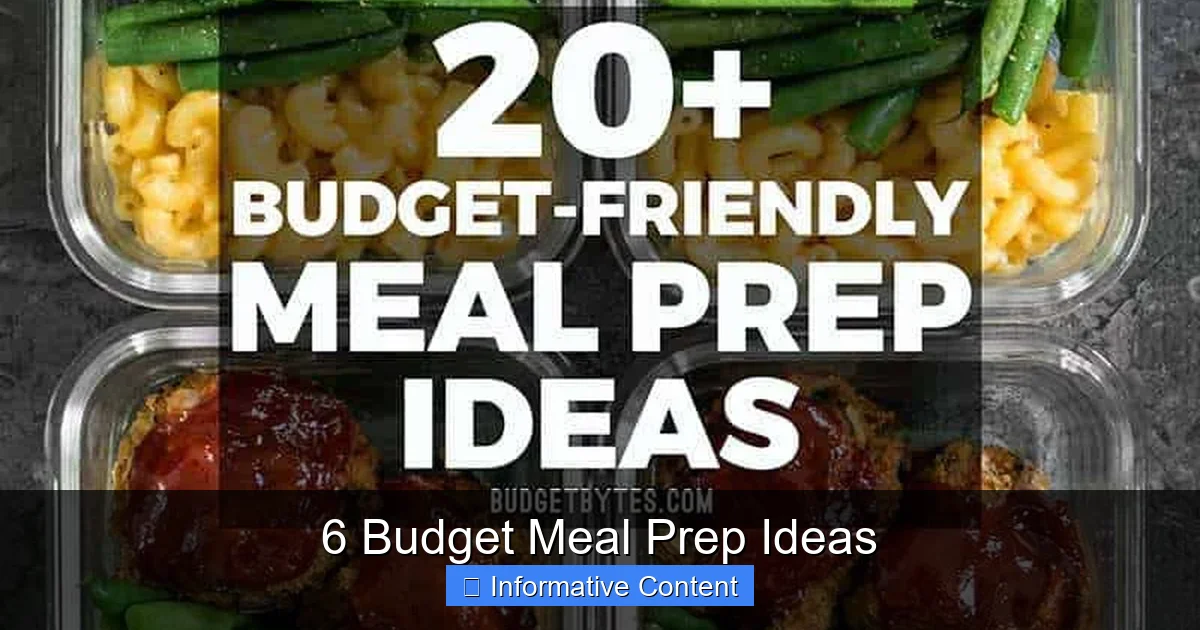
Visual guide about 6 Budget Meal Prep Ideas
Image source: budgetbytes.com
Why It Works
Beans and rice are cheap, shelf-stable, and cook in large batches. A single can of black beans or a bag of dried lentils can feed multiple people. Brown rice, quinoa, or even instant rice work well as a base. Add in some frozen veggies (like corn, bell peppers, or spinach), and you’ve got a balanced meal in under 30 minutes.
How to Prep
Cook a big pot of rice on Sunday. While it’s cooking, sauté onions and garlic, then add your beans and a can of diced tomatoes. Season with cumin, chili powder, and a pinch of salt. Stir in frozen veggies and let everything simmer for 10 minutes. Divide into containers and top with a sprinkle of cheese or a dollop of Greek yogurt when serving.
Pro Tips
- Use dried beans instead of canned to save even more money—just soak them overnight and cook in a pot or slow cooker.
- Make it Mexican-inspired with lime juice and cilantro, or go Mediterranean with olives and feta.
- Store in airtight containers for up to 5 days in the fridge.
2. Overnight Oats for Breakfast
Breakfast can be one of the most expensive meals of the day—especially if you’re grabbing coffee and a pastry on the go. But with overnight oats, you can enjoy a creamy, satisfying breakfast for less than $1 per serving.
Why It Works
Oats are one of the cheapest and most nutritious grains available. When soaked overnight in milk or a milk alternative, they soften into a pudding-like texture. Add a touch of sweetness with honey or maple syrup, and you’ve got a grab-and-go meal that requires zero cooking.
How to Prep
In a jar or container, combine ½ cup rolled oats, ½ cup milk (dairy or plant-based), 1 tablespoon chia seeds, and 1 teaspoon honey. Stir well, cover, and refrigerate overnight. In the morning, top with fruit, nuts, or a spoonful of peanut butter.
Pro Tips
- Make a big batch by doubling or tripling the recipe—just use separate jars.
- Use frozen fruit to save money and avoid waste.
- Try flavor variations like banana-cinnamon, berry-vanilla, or apple-pie spice.
3. Veggie-Packed Lentil Soup
Lentil soup is a budget meal prep hero. It’s cheap, hearty, and packed with protein and fiber. Plus, it freezes beautifully, so you can make a big pot and enjoy it for weeks.
Why It Works
Lentils cook quickly and don’t require soaking. They absorb flavors well, so even simple seasonings make them taste rich and satisfying. Combined with carrots, celery, onions, and tomatoes, you get a nutrient-dense soup that costs under $2 per serving.
How to Prep
Sauté diced onions, carrots, and celery in a large pot. Add garlic, then stir in 1 cup of dried lentils, 4 cups of vegetable broth, and a can of diced tomatoes. Season with bay leaves, thyme, salt, and pepper. Simmer for 25–30 minutes until lentils are tender. Let cool, then portion into containers.
Pro Tips
- Add spinach or kale in the last 5 minutes for extra greens.
- Freeze in individual portions for up to 3 months.
- Serve with a slice of whole-grain bread for a complete meal.
4. Egg and Veggie Muffins
Egg muffins are like mini frittatas baked in a muffin tin. They’re perfect for breakfast, lunch, or even a quick snack. And because they’re made with eggs and veggies, they’re high in protein and low in cost.
Why It Works
Eggs are one of the most affordable sources of high-quality protein. When combined with chopped veggies like bell peppers, onions, spinach, and mushrooms, you get a balanced, filling meal that’s easy to customize.
How to Prep
Preheat your oven to 350°F (175°C). Whisk 6 eggs with a splash of milk, salt, and pepper. Stir in 1 cup of chopped veggies and any extras like cheese or cooked sausage (optional). Pour into a greased muffin tin and bake for 20–25 minutes until set. Let cool, then store in the fridge.
Pro Tips
- Make a double batch and freeze half for later.
- Use leftover roasted veggies or cooked grains to stretch the recipe.
- Reheat in the microwave for 60–90 seconds.
5. Chicken and Sweet Potato Skillet
This one-pan meal is a budget meal prep favorite because it’s simple, satisfying, and uses affordable ingredients. Chicken thighs are cheaper than breasts and stay juicy, while sweet potatoes add natural sweetness and fiber.
Why It Works
Chicken thighs cost less per pound than breasts and have more flavor. Sweet potatoes are nutrient-dense and last a long time in the pantry. Together with onions, garlic, and spices, they create a hearty dish that feels gourmet without the price tag.
How to Prep
Cut chicken thighs into bite-sized pieces and season with salt, pepper, paprika, and garlic powder. Dice sweet potatoes and onions. In a large skillet, cook chicken until browned, then remove. Sauté onions and sweet potatoes until tender, then return chicken to the pan. Stir in a splash of broth or water to create a light sauce. Cook until heated through.
Pro Tips
- Use bone-in, skin-on thighs for even more savings—just remove the skin after cooking if desired.
- Add frozen broccoli or green beans for extra veggies.
- Serve over rice or quinoa to stretch the meal further.
6. Pasta with Marinara and White Beans
Pasta is a classic budget meal, but plain spaghetti can get boring fast. By adding white beans and a rich marinara sauce, you boost the protein and fiber while keeping costs low.
Why It Works
Dried pasta is cheap and stores forever. Canned white beans (like cannellini or great northern) add creaminess and protein without breaking the bank. A simple marinara sauce made from canned tomatoes, garlic, and herbs costs just pennies per serving.
How to Prep
Cook pasta according to package instructions. While it’s boiling, heat marinara sauce in a pan and stir in drained white beans. Season with oregano, red pepper flakes, and a pinch of sugar if needed. Combine with cooked pasta and toss well. Top with grated Parmesan if desired.
Pro Tips
- Use whole-wheat or legume-based pasta for extra nutrition.
- Make your own marinara by simmering canned tomatoes with garlic, onion, and herbs.
- Add sautéed spinach or mushrooms for more veggies.
Tips for Successful Budget Meal Prep
Even the best meal prep ideas can fall flat without a solid strategy. Here are some practical tips to help you stay on track, save money, and actually enjoy the process.
Start Small
If you’re new to meal prep, don’t try to cook for the entire week in one day. Start with just two or three meals—like breakfast and lunch—and build from there. This helps you avoid burnout and gives you time to figure out what works for your schedule.
Shop Smart
Before you cook, make a list based on your meal plan. Stick to it to avoid impulse buys. Buy in bulk when it makes sense (like rice, beans, and oats), and look for sales on proteins and frozen veggies. Shopping at discount stores or farmers’ markets can also stretch your budget.
Use What You Have
Before buying new ingredients, check your pantry, fridge, and freezer. You might already have rice, spices, or frozen veggies that can be used in your meal prep. This reduces waste and saves money.
Invest in Good Containers
Quality containers make a huge difference. Look for BPA-free, microwave-safe, and stackable options. Glass containers are great for reheating, while plastic ones are lighter for on-the-go meals. Having enough containers ensures you can prep without running out.
Label and Date Everything
It’s easy to forget what’s in your fridge after a few days. Label each container with the meal name and date. This helps you use meals in the right order and avoid food spoilage.
Keep It Simple
You don’t need 10-ingredient recipes to eat well. Focus on meals with 5–7 ingredients that you can rotate throughout the week. Repetition is okay—your taste buds will adjust, and your wallet will thank you.
Involve the Family
If you’re cooking for others, get them involved. Let everyone pick one meal per week or help with prep. This builds excitement and ensures everyone enjoys the meals.
How to Save Even More
Want to take your budget meal prep to the next level? These advanced tips can help you save even more money without sacrificing flavor or nutrition.
Cook Once, Eat Twice
Double your recipes and freeze half for later. Soups, stews, casseroles, and even grain bowls freeze well. This way, you’re always one step ahead, and you avoid cooking every single day.
Use Scraps Wisely
Save vegetable peels, onion ends, and herb stems to make homemade broth. Simmer them in water for an hour, strain, and use in soups or rice dishes. It’s free flavor and reduces waste.
Buy Seasonal and Local
Fruits and veggies are cheaper when they’re in season. Visit local farmers’ markets or join a CSA (Community Supported Agriculture) box to get fresh produce at a lower cost.
Embrace Meatless Meals
Plant-based proteins like beans, lentils, and tofu are much cheaper than meat. Try having two or three meatless days per week to cut costs and boost your fiber intake.
Track Your Spending
Keep a simple log of your grocery receipts. Over time, you’ll see how much you’re saving by meal prepping. This motivates you to keep going and helps you spot areas to improve.
Final Thoughts
Budget meal prep isn’t about eating bland food or spending hours in the kitchen. It’s about making smart choices that support your health, your time, and your wallet. With these six ideas, you’ve got a solid foundation for eating well without overspending.
Remember, the goal isn’t perfection—it’s progress. Start with one meal, then add another. Celebrate small wins, like skipping takeout or using up leftovers. Over time, these habits will become second nature, and you’ll wonder how you ever lived without them.
So grab your containers, fire up the stove, and give these budget meal prep ideas a try. Your future self—and your bank account—will thank you.
Frequently Asked Questions
How long do meal prep dishes last in the fridge?
Most cooked meals last 3–5 days in the fridge when stored in airtight containers. Soups and stews may last up to 5 days, while egg-based dishes should be eaten within 3–4 days.
Can I reheat meal prep meals?
Yes, most meal prep dishes can be safely reheated in the microwave, oven, or on the stovetop. Make sure they reach an internal temperature of 165°F (74°C).
What are the cheapest proteins for meal prep?
Eggs, canned beans, lentils, tofu, and chicken thighs are among the most affordable and versatile protein sources for budget meal prep.
Do I have to cook every Sunday?
Not necessarily. You can prep on any day that works for you—Saturday, Monday, or even midweek. The key is consistency, not timing.
Can kids eat meal prep meals?
Absolutely! Many meal prep dishes, like pasta, soups, and grain bowls, are kid-friendly. Just adjust seasonings and portion sizes as needed.
What if I don’t like leftovers?
Try repurposing ingredients into different meals—like turning roasted chicken into tacos or stir-fry. This keeps flavors fresh and prevents boredom.