

Looking for tasty ways to stay energized between meals? These 7 healthy snack ideas are packed with nutrients, simple to prepare, and perfect for any lifestyle. From crunchy veggies to protein-rich bites, you’ll find satisfying options that support your wellness goals without sacrificing flavor.
Key Takeaways
- Nutrient-dense choices: Each snack is rich in vitamins, minerals, fiber, or protein to keep you full and focused.
- Easy to prepare: Most recipes take under 10 minutes and require minimal ingredients or cooking.
- Portable and convenient: Perfect for on-the-go lifestyles—great for work, school, or travel.
- Balanced macronutrients: Combines healthy fats, complex carbs, and protein for sustained energy.
- Kid-friendly options: Many snacks can be adapted to suit picky eaters or children’s tastes.
- Budget-conscious: Uses affordable, whole-food ingredients available at most grocery stores.
- Supports long-term health: Helps maintain stable blood sugar, supports digestion, and reduces cravings.
Quick Answers to Common Questions
What makes a snack “healthy”?
A healthy snack is made from whole, minimally processed ingredients and provides a balance of nutrients like protein, fiber, and healthy fats. It should satisfy hunger without spiking blood sugar or containing added sugars and unhealthy fats.
Can I snack if I’m trying to lose weight?
Yes! Healthy snacks can support weight loss by preventing overeating at meals and keeping metabolism active. Choose nutrient-dense, low-calorie options like veggies with hummus or Greek yogurt with berries.
How many snacks should I eat per day?
It depends on your hunger and activity level. Most people benefit from 1–2 snacks per day, ideally between meals. Listen to your body and avoid snacking out of boredom.
Are fruit snacks healthy?
Whole fruits are excellent snacks, but many packaged “fruit snacks” are high in sugar and low in fiber. Stick to fresh, frozen, or dried fruit without added sugar.
Can kids eat these snacks?
Absolutely! Most of these snacks are kid-friendly and can be adapted for picky eaters. Try apple slices with peanut butter or cottage cheese with pineapple.
📑 Table of Contents
Why Healthy Snacking Matters
Snacking often gets a bad rap. We’ve been told it leads to weight gain, spikes blood sugar, or derails diets. But the truth is, when done right, snacking can be one of the smartest things you do all day. Think of healthy snacks not as extra calories, but as mini fuel-ups that keep your energy steady, your mind sharp, and your hunger in check.
In today’s fast-paced world, skipping meals or waiting too long between them can leave you feeling sluggish, irritable, or reaching for the nearest bag of chips. That’s where smart snacking comes in. A well-chosen snack bridges the gap between meals, prevents overeating at dinner, and supports your metabolism. It’s not about eating more—it’s about eating better.
The key is choosing snacks that are both satisfying and nutritious. We’re not talking about processed bars loaded with sugar or fried chips disguised as “healthy.” Instead, we’re focusing on whole, real foods that give your body what it needs: fiber to fill you up, protein to build and repair, and healthy fats to keep you full longer. These 7 healthy snack ideas are designed to do just that—deliver flavor, function, and feel-good fuel.
1. Greek Yogurt with Berries and Nuts
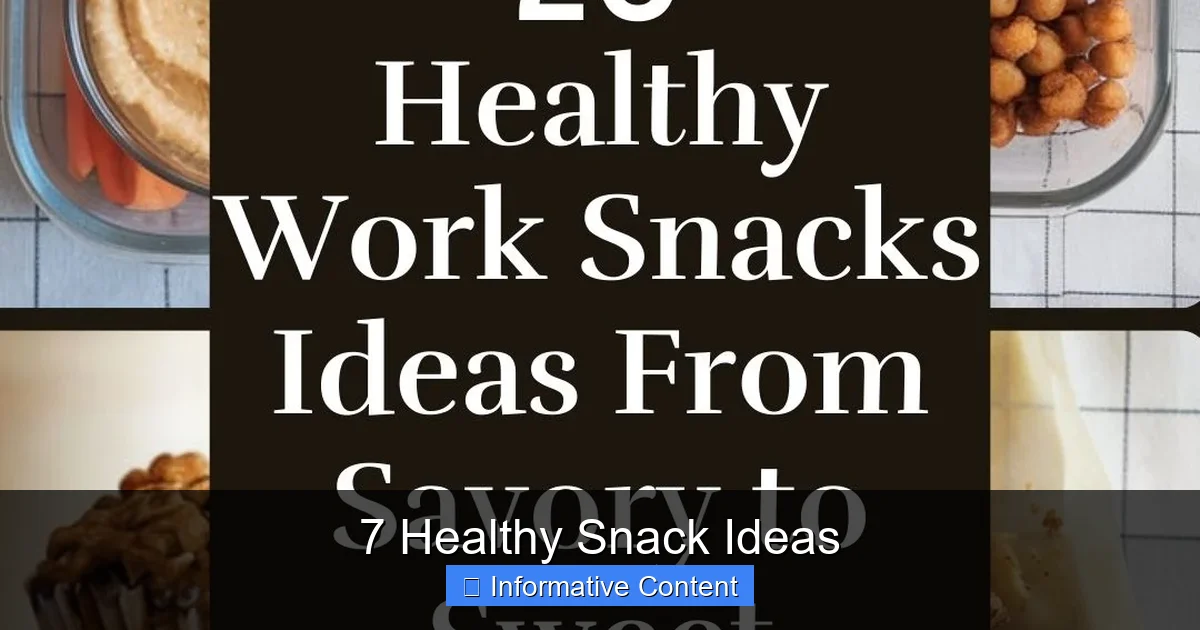
Visual guide about 7 Healthy Snack Ideas
Image source: forbusybees.com
One of the most balanced and delicious snacks you can enjoy is a bowl of Greek yogurt topped with fresh berries and a sprinkle of nuts. This trio delivers a powerhouse of nutrients in every spoonful. Greek yogurt is rich in protein—often double that of regular yogurt—which helps stabilize blood sugar and keeps you full for hours. Berries like blueberries, strawberries, and raspberries bring antioxidants, vitamin C, and natural sweetness, while nuts add crunch, healthy fats, and a bit more protein.
Why It Works
This snack is a perfect example of combining macronutrients. The protein from yogurt slows digestion, the fiber from berries supports gut health, and the fats from nuts provide long-lasting energy. Together, they prevent energy crashes and curb cravings. Plus, the natural sweetness of berries means you don’t need added sugar—making it a great option for those watching their sugar intake.
How to Make It
Start with a 5- to 6-ounce container of plain, unsweetened Greek yogurt. Avoid flavored versions, which often contain added sugars. Top with a handful of mixed berries—fresh or frozen (thawed) both work well. Add a tablespoon of chopped almonds, walnuts, or pecans for crunch. For extra flavor, drizzle with a teaspoon of honey or sprinkle with cinnamon.
Pro Tips
- Choose full-fat Greek yogurt if you’re not watching calories—it’s more satisfying and helps absorb fat-soluble vitamins.
- Freeze berries ahead of time for a chilled, almost ice-cream-like treat.
- Make a batch in a mason jar for a grab-and-go snack. Layer yogurt, berries, and nuts, and store in the fridge for up to 24 hours.
This snack is ideal for mid-morning or afternoon slumps. It’s also a great post-workout option, thanks to its protein content that aids muscle recovery.
2. Apple Slices with Almond Butter
Craving something sweet and crunchy? Apple slices with almond butter are a classic combo that never disappoints. Apples are loaded with fiber—especially pectin, which supports gut health—and provide a natural sweetness that satisfies sugar cravings. Almond butter adds a creamy, rich texture and delivers healthy monounsaturated fats, vitamin E, and a good dose of protein.
Why It Works
The combination of complex carbohydrates from the apple and healthy fats from the almond butter creates a balanced snack that digests slowly. This means you won’t experience a sugar rush followed by a crash. Instead, you’ll feel energized and satisfied for hours. Plus, the crunch of the apple and creaminess of the nut butter make this snack incredibly satisfying.
How to Make It
Choose a crisp apple variety like Honeycrisp, Fuji, or Granny Smith. Slice it into wedges and remove the core. Spread a tablespoon or two of natural almond butter (look for brands with just almonds and maybe salt) onto each slice or serve it on the side for dipping. For variety, try other nut butters like peanut or cashew butter.
Pro Tips
- To prevent browning, squeeze a little lemon juice over the apple slices.
- Sprinkle with cinnamon or a few dark chocolate chips for extra flavor.
- Pack in a small container for school lunches or office snacks—just keep the nut butter separate to avoid sogginess.
This snack is especially great for kids and adults alike. It’s naturally sweet, fun to eat, and provides sustained energy without processed ingredients.
3. Hard-Boiled Eggs with Veggies
When you need a protein-packed snack that’s quick and portable, hard-boiled eggs with raw veggies are a winner. Eggs are one of nature’s most nutrient-dense foods, offering high-quality protein, choline for brain health, and essential vitamins like B12 and D. Pairing them with colorful vegetables like bell peppers, cucumber, or cherry tomatoes adds fiber, hydration, and a burst of vitamins.
Why It Works
Protein is key for satiety, and eggs deliver it in a compact, convenient form. The veggies add bulk and nutrients without many calories, making this a low-calorie, high-satisfaction snack. It’s also naturally low in sugar and free of processed ingredients, making it ideal for low-carb or keto diets.
How to Make It
Boil a batch of eggs at the start of the week for easy access. To make them, place eggs in a pot, cover with cold water, bring to a boil, then turn off the heat and let sit for 9–12 minutes. Transfer to an ice bath to stop cooking and peel easily. Slice or halve the eggs and serve with a side of sliced veggies. A sprinkle of sea salt, black pepper, or everything bagel seasoning adds flavor.
Pro Tips
- Store peeled eggs in an airtight container in the fridge for up to 5 days.
- Use a muffin tin to boil multiple eggs at once—it keeps them from cracking.
- Add a squeeze of lemon or a dash of hot sauce for a flavor boost.
This snack is perfect for busy mornings, post-workout refueling, or as a light lunch component. It’s also great for travel—just pack the eggs and veggies separately to keep textures fresh.
4. Hummus with Veggie Sticks
Hummus and veggie sticks are a Mediterranean-inspired snack that’s as nutritious as it is delicious. Made from chickpeas, tahini, olive oil, and lemon juice, hummus is rich in plant-based protein, fiber, and heart-healthy fats. When paired with crisp vegetables like carrots, celery, bell peppers, or zucchini, you get a snack that’s crunchy, creamy, and deeply satisfying.
Why It Works
Chickpeas are a great source of complex carbohydrates and fiber, which help regulate digestion and keep you full. The tahini and olive oil in hummus provide monounsaturated fats that support brain function and reduce inflammation. Together with colorful veggies, this snack delivers a wide range of vitamins, including A, C, and K.
How to Make It
You can buy store-bought hummus (look for low-sodium, no-added-sugar varieties) or make your own. To make it at home, blend one can of drained chickpeas, 2 tablespoons tahini, 2 tablespoons lemon juice, 1 clove garlic, 2 tablespoons olive oil, and a pinch of salt until smooth. Serve with a variety of sliced veggies. For extra flair, try flavored hummus like roasted red pepper or garlic herb.
Pro Tips
- Pre-cut veggies on Sunday and store in water-filled containers to keep them crisp.
- Use cucumber rounds or bell pepper strips as “chips” for dipping.
- Add a sprinkle of paprika or za’atar on top of the hummus for extra flavor.
This snack is ideal for sharing, making it great for parties or family time. It’s also naturally vegan and gluten-free, so it fits many dietary needs.
5. Trail Mix with a Twist
Trail mix is a classic on-the-go snack, but the store-bought versions are often loaded with sugar, salt, and unhealthy oils. By making your own, you can control the ingredients and create a balanced, nutrient-dense mix that’s both tasty and energizing.
Why It Works
A well-made trail mix combines healthy fats, protein, and complex carbs. Nuts provide heart-healthy fats and protein, seeds add minerals like magnesium and zinc, and dried fruit offers natural sweetness and fiber. The key is balance—too much dried fruit can spike sugar, while too many nuts can be high in calories.
How to Make It
Start with a base of raw or dry-roasted unsalted nuts like almonds, walnuts, or cashews. Add seeds such as pumpkin, sunflower, or chia for extra nutrients. Include a small amount of unsweetened dried fruit like raisins, cranberries, or apricots. For a fun twist, add dark chocolate chips (70% cocoa or higher) or coconut flakes. Aim for a ratio of 2 parts nuts, 1 part seeds, and 1 part fruit.
Pro Tips
- Portion into small bags or containers to avoid overeating.
- Avoid candied or yogurt-coated ingredients—they’re high in sugar.
- Make a large batch and store in an airtight container for up to 2 weeks.
This snack is perfect for hiking, road trips, or keeping in your desk drawer. It’s also a great way to use up leftover nuts and dried fruit.
6. Cottage Cheese with Pineapple
Cottage cheese might not be the most glamorous snack, but it’s a nutritional powerhouse. High in protein and low in fat (especially the low-fat varieties), it’s a great option for building muscle, managing weight, and staying full. When paired with sweet, juicy pineapple, it becomes a refreshing and satisfying treat.
Why It Works
Cottage cheese is rich in casein protein, which digests slowly and supports muscle repair. Pineapple adds natural sweetness, vitamin C, and bromelain—an enzyme that aids digestion. Together, they create a snack that’s both creamy and refreshing, with a balance of protein and natural sugars.
How to Make It
Scoop a half-cup of cottage cheese into a bowl. Top with fresh pineapple chunks or drained canned pineapple (in juice, not syrup). For extra flavor, add a sprinkle of chia seeds, a drizzle of honey, or a pinch of cinnamon. You can also blend the mixture for a smooth, pudding-like texture.
Pro Tips
- Choose low-sodium cottage cheese if you’re watching salt intake.
- Freeze cottage cheese for 30 minutes for a cool, mousse-like consistency.
- Try other fruit pairings like peaches, berries, or mango.
This snack is especially great after a workout or as a light evening treat. It’s also a good source of calcium, supporting bone health.
7. Roasted Chickpeas
Craving something crunchy and savory? Roasted chickpeas are a fantastic alternative to chips or crackers. They’re high in fiber and plant-based protein, making them a filling and nutritious snack that satisfies crunch cravings without the grease.
Why It Works
Chickpeas are a great source of complex carbohydrates, fiber, and protein. Roasting them brings out a nutty flavor and gives them a satisfying crunch. They’re also naturally gluten-free and vegan, making them suitable for many diets.
How to Make It
Drain and rinse a can of chickpeas, then pat them completely dry. Toss with a tablespoon of olive oil and your favorite seasonings—try smoked paprika, garlic powder, cumin, or chili powder. Spread on a baking sheet and roast at 400°F (200°C) for 30–40 minutes, shaking the pan halfway through, until golden and crispy. Let cool before eating—they’ll crisp up as they cool.
Pro Tips
- Store in an airtight container for up to 5 days.
- Experiment with sweet versions: toss with cinnamon and a touch of maple syrup before roasting.
- Use as a salad topper or crunchy addition to soups.
This snack is perfect for movie nights, lunchboxes, or anytime you need a savory crunch. It’s also a great way to use up canned chickpeas.
How to Build a Healthy Snack Routine
Now that you have 7 delicious and nutritious snack ideas, the next step is making them a regular part of your day. Healthy snacking isn’t about strict rules—it’s about consistency and balance. Here are some tips to help you build a snack routine that works for your lifestyle.
Listen to Your Body
Snack when you’re truly hungry, not just bored or stressed. Ask yourself: “Am I hungry, or am I just craving something?” True hunger builds gradually and can be satisfied with real food. Emotional cravings often come on suddenly and are tied to specific foods.
Plan Ahead
The best way to make healthy choices is to have them ready. Spend 10 minutes on Sunday prepping snacks: chop veggies, boil eggs, portion out trail mix, or make a big batch of hummus. Store them in clear containers so you can grab them easily.
Keep It Balanced
Aim for snacks that include at least two of the three macronutrients: protein, healthy fats, and complex carbs. This balance keeps you full and prevents energy crashes. For example, apple with almond butter (carbs + fat), or yogurt with berries (protein + carbs).
Watch Portions
Even healthy snacks can lead to weight gain if eaten in excess. Use small bowls or containers to control portions. A serving of nuts is about a small handful—don’t eat straight from the bag.
Stay Hydrated
Sometimes thirst is mistaken for hunger. Drink a glass of water before snacking. If you’re still hungry after 10 minutes, go ahead and eat.
Be Flexible
Life happens. If you’re out and the only option is a granola bar, choose one with minimal ingredients and no added sugar. It’s better than skipping a snack and overeating later.
Conclusion
Snacking doesn’t have to be a guilty pleasure. With the right choices, it can be a powerful tool for better health, sustained energy, and improved focus. These 7 healthy snack ideas are simple, delicious, and packed with nutrients that support your body and mind. From creamy yogurt to crunchy chickpeas, there’s something for every taste and lifestyle.
The key is to choose whole, minimally processed foods that nourish you—not just fill you up. By planning ahead, listening to your body, and keeping balance in mind, you can turn snacking into a positive habit. So next time you feel that mid-afternoon slump or a growling stomach, reach for one of these smart snacks. Your body—and your taste buds—will thank you.
Frequently Asked Questions
Are these snacks suitable for diabetics?
Yes, most of these snacks are low in added sugar and high in fiber and protein, which help stabilize blood sugar. Always consult a healthcare provider for personalized advice.
Can I freeze these snacks?
Some can be frozen, like roasted chickpeas or trail mix, but others like yogurt or fresh veggies are best eaten fresh. Check individual recipes for storage tips.
Do I need to count calories when snacking?
Not necessarily. Focus on nutrient density and portion control instead. Eating mindfully and choosing whole foods often leads to natural calorie balance.
Are nut butters healthy?
Yes, in moderation. Choose natural nut butters with no added sugar or oils. They’re high in healthy fats and protein but also calorie-dense, so watch portions.
Can I eat these snacks at night?
Yes, but opt for lighter options like cottage cheese or a small apple. Heavy snacks close to bedtime may disrupt sleep for some people.
Where can I buy ingredients for these snacks?
Most ingredients are available at regular grocery stores, farmers markets, or online. Look for fresh produce, unsweetened dairy, and minimally processed packaged items.