
Finding healthy, kid-approved snacks doesn’t have to be time-consuming or complicated. These 7 quick snack ideas for kids are simple, nutritious, and designed to keep little ones energized and happy between meals—without the added sugar or prep stress.
Key Takeaways
- Nutrition matters: Quick snacks can still be packed with vitamins, fiber, and protein to support growing bodies and minds.
- Involve your kids: Letting children help prepare snacks increases their interest in eating healthy foods.
- Prep ahead when possible: A little planning—like washing fruit or portioning nuts—saves time during busy days.
- Balance is key: Combine carbohydrates with protein or healthy fats to keep energy levels steady.
- Presentation counts: Fun shapes, colors, and serving styles make snacks more appealing to children.
- Avoid added sugars: Choose whole foods over processed snacks to support long-term health habits.
- Keep it simple: The best snack ideas require minimal ingredients and under 10 minutes of prep time.
Quick Answers to Common Questions
What makes a snack “healthy” for kids?
A healthy snack includes a balance of nutrients—like protein, fiber, and healthy fats—and avoids added sugars and artificial ingredients. It should support energy, growth, and focus without causing blood sugar spikes.
Can I prepare these snacks in advance?
Yes! Many of these snacks, like energy bites, parfaits, and cut veggies, can be prepped ahead of time and stored in the fridge or freezer for quick access.
What if my child has food allergies?
Most of these snack ideas can be adapted. Use seed butters instead of nut butters, dairy-free yogurt, gluten-free grains, or allergen-free dips to accommodate common allergies.
How often should kids have snacks?
Most children benefit from 1–2 snacks per day, depending on age, activity level, and appetite. Offer snacks between meals when they’re truly hungry, not out of boredom.
Are store-bought snacks ever okay?
Yes, in moderation. Look for options with whole food ingredients, low added sugar, and no artificial additives. Homemade is ideal, but convenient store-bought snacks can fit into a balanced diet.
📑 Table of Contents
Why Quick Snacks Matter for Busy Families
Let’s be honest—parenting is a full-time job with endless to-do lists. Between school drop-offs, work deadlines, soccer practice, and bedtime routines, finding time to whip up a healthy snack can feel impossible. Yet, snacks play a crucial role in a child’s daily nutrition. They help stabilize blood sugar, prevent overeating at meals, and provide essential nutrients during growth spurts.
Unfortunately, many store-bought snacks are loaded with sugar, artificial flavors, and preservatives—ingredients that can lead to energy crashes, mood swings, and long-term health issues. That’s why having a go-to list of quick snack ideas for kids is a game-changer. These aren’t just convenient; they’re designed to nourish, satisfy, and even spark joy at the kitchen table. Whether you’re dealing with a hangry toddler after school or a teen craving something crunchy, these ideas are fast, flexible, and family-friendly.
What Makes a Great Kid Snack?
Before diving into the snack lineup, it’s helpful to understand what separates a good snack from a great one. A winning kid snack should check several boxes: it should be easy to prepare, nutritious, appealing in taste and texture, and safe for little hands to handle. It should also fit into your family’s dietary preferences—whether that’s vegetarian, gluten-free, dairy-free, or nut-aware.
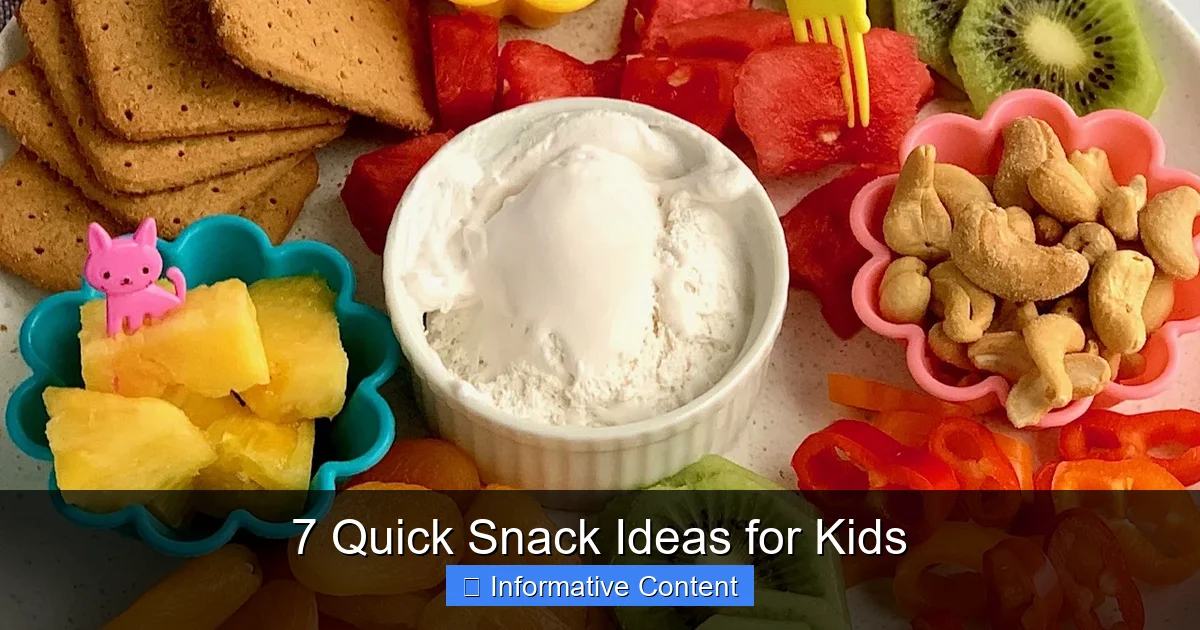
Visual guide about 7 Quick Snack Ideas for Kids
Image source: eatingglutenanddairyfree.com
Nutritional Balance Is Non-Negotiable
Kids need a mix of macronutrients to fuel their active lives. Carbohydrates provide quick energy, protein supports muscle growth and satiety, and healthy fats are essential for brain development. The best quick snack ideas for kids combine at least two of these elements. For example, apple slices with peanut butter offer carbs and protein, while yogurt with berries delivers protein, fiber, and antioxidants.
Keep It Simple and Safe
Complex recipes might look impressive on social media, but they’re not practical for daily use. The ideal snack uses 3–5 ingredients and takes under 10 minutes to assemble. Also, consider choking hazards—avoid whole grapes, nuts (for young children), or hard candies. Instead, opt for soft fruits, sliced veggies, or nut butters spread thinly.
Make It Fun
Kids are more likely to eat something that looks exciting. Use cookie cutters to shape sandwiches or fruit, serve snacks in colorful bowls, or let them build their own “snack boards” with dips and toppings. When children feel involved and entertained, they’re more open to trying new foods—even broccoli!
7 Quick Snack Ideas for Kids (That Actually Taste Good)
Now for the main event: seven snack ideas that are as delicious as they are nutritious. Each one takes minimal effort, uses wholesome ingredients, and can be customized based on your child’s tastes or dietary needs. Keep reading for detailed instructions, pro tips, and creative variations.
1. Apple Slices with Nut or Seed Butter
This classic combo is a staple in many households—and for good reason. Apples are rich in fiber and vitamin C, while nut or seed butters add protein and healthy fats. It’s satisfying, crunchy, and naturally sweet.
How to make it: Core an apple and slice it into wedges. Serve with 1–2 tablespoons of almond, peanut, sunflower, or cashew butter in a small bowl for dipping. For extra flair, sprinkle cinnamon on the apple slices or drizzle a little honey (for kids over 1 year old).
Pro tip: To prevent browning, squeeze a bit of lemon juice over the apple slices or store them in an airtight container with a damp paper towel. If your child has a nut allergy, sunflower seed butter is a fantastic alternative—it has a similar creamy texture and mild flavor.
Variations: Try pear slices instead of apples, or swap the butter for Greek yogurt dip flavored with vanilla and a touch of maple syrup.
2. Yogurt Parfait Cups
Layering yogurt with fruit and granola creates a visually appealing snack that feels like a treat. Plus, it’s packed with probiotics, calcium, and fiber—perfect for digestive health and strong bones.
How to make it: In a small cup or jar, alternate layers of plain or vanilla Greek yogurt, fresh berries (like blueberries, strawberries, or raspberries), and a sprinkle of low-sugar granola. Top with a few chopped nuts or chia seeds if desired.
Pro tip: Use individual serving cups so kids can grab and go. Pre-portion ingredients in advance for busy mornings. Choose yogurt with live cultures and minimal added sugar—plain Greek yogurt is ideal, but if your child prefers sweetness, stir in a teaspoon of honey or mashed banana.
Variations: Swap berries for diced peaches, mango, or kiwi. Add a drizzle of dark chocolate chips for a special occasion, or use coconut yogurt for a dairy-free option.
3. Veggie Sticks with Hummus
Getting kids to eat vegetables can be a challenge, but pairing them with a tasty dip makes all the difference. Hummus is creamy, flavorful, and full of plant-based protein and fiber.
How to make it: Cut carrots, cucumbers, bell peppers, and celery into sticks or bite-sized pieces. Serve with 2–3 tablespoons of store-bought or homemade hummus. For extra crunch, include snap peas or cherry tomatoes on the side.
Pro tip: Let your child choose their favorite veggies at the store or farmers market. When they feel ownership over the ingredients, they’re more likely to eat them. Store cut veggies in water-filled containers in the fridge to keep them crisp.
Variations: Try different hummus flavors like roasted red pepper, garlic, or beet. Or swap hummus for tzatziki, guacamole, or a simple yogurt-based dip with herbs.
4. Banana Oat Energy Bites
These no-bake bites are like nature’s candy—sweet, chewy, and full of wholesome ingredients. They’re perfect for on-the-go snacking and require no oven or cooking.
How to make it: In a bowl, mash 2 ripe bananas. Stir in 1 cup rolled oats, 2 tablespoons peanut butter (or sunflower seed butter), 1 tablespoon honey or maple syrup, and 1/4 cup mini chocolate chips or chopped nuts. Roll into small balls and refrigerate for at least 30 minutes before serving.
Pro tip: These bites freeze well! Make a big batch and store them in the freezer for up to 3 months. Let them thaw for 10 minutes before serving. For a nut-free version, use seed butter and omit nuts.
Variations: Add cinnamon, vanilla extract, or shredded coconut for extra flavor. Swap chocolate chips for dried cranberries or raisins for a fruitier twist.
5. Whole Grain Toast with Toppings
Toast is a blank canvas for creativity. Whole grain bread provides complex carbs and fiber, while toppings add protein, healthy fats, and flavor.
How to make it: Toast a slice of whole grain bread until golden. Spread with mashed avocado, almond butter, or cream cheese. Then add toppings like sliced banana, strawberries, chia seeds, or a sprinkle of everything bagel seasoning.
Pro tip: Use a cookie cutter to shape the toast into fun forms like stars or hearts. Let kids pick their own toppings from a “build-your-own toast bar” setup. This encourages independence and reduces picky eating.
Variations: Try ricotta cheese with honey and blueberries, or hummus with cucumber and tomato slices. For a savory option, top with scrambled eggs and a sprinkle of cheese.
6. Cheese and Whole Grain Crackers
Cheese is a great source of calcium and protein, and when paired with whole grain crackers, it creates a balanced, satisfying snack. It’s also one of the easiest options to prepare.
How to make it: Arrange a few slices of cheddar, mozzarella, or string cheese on a plate with whole grain crackers. Add a few grapes or apple slices on the side for a touch of natural sweetness.
Pro tip: Pre-portion cheese and crackers into snack-sized containers during weekend meal prep. This makes weekday snacking effortless. Choose crackers with simple ingredients and low sodium.
Variations: Use cheese cubes instead of slices, or try different types like pepper jack or gouda. Add a few olives or cherry tomatoes for a Mediterranean twist.
7. Smoothie in a Cup
Smoothies are a fantastic way to pack in fruits, vegetables, and protein in one drinkable snack. They’re especially helpful for picky eaters who might avoid whole fruits or veggies.
How to make it: Blend 1 cup unsweetened almond milk or yogurt, 1/2 banana, 1/2 cup frozen berries, 1/2 cup spinach (yes, it’s invisible!), and 1 tablespoon chia seeds or flaxseed. Pour into a fun cup with a straw and serve immediately.
Pro tip: Freeze smoothie ingredients in ice cube trays for quick blending. Let kids choose their favorite fruits and add a “secret veggie” like spinach or kale—they won’t even taste it!
Variations: Try a tropical version with mango and pineapple, or a chocolate-banana blend with cocoa powder and peanut butter. Use coconut water for extra electrolytes after playtime.
Tips for Success: Making Snack Time Stress-Free
Even the best snack ideas won’t help if they’re buried under chaos. Here are some practical strategies to make snack time smoother and more enjoyable for everyone.
Prep in Batches
Set aside 30 minutes on Sunday to wash and chop fruits and vegetables, portion out nuts or seeds, and assemble snack containers. This “snack station” approach means you’re always ready when hunger strikes.
Keep a Snack Drawer
Designate a low cabinet or drawer with kid-friendly, non-perishable snacks like whole grain crackers, dried fruit, or individual nut butter packets. Label it clearly so older kids can help themselves.
Rotate Options Weekly
Kids can get bored with the same snacks. Keep a rotation of 3–4 favorites and introduce one new option each week. This keeps things fresh and encourages adventurous eating.
Limit Screen Time During Snacks
Eating while distracted can lead to overeating or poor digestion. Encourage mindful snacking by turning off TVs and devices. Use the time to chat about their day or play a quick game.
Stay Hydrated
Sometimes thirst is mistaken for hunger. Offer water with every snack, especially after physical activity. Infuse water with cucumber, lemon, or berries for a fun twist.
Common Mistakes to Avoid
Even with the best intentions, it’s easy to fall into snack-time pitfalls. Here are a few to watch out for:
- Overloading on sugar: Avoid fruit snacks, flavored yogurts, and sugary cereals. Check labels and aim for snacks with less than 5 grams of added sugar per serving.
- Skipping protein: Carbs alone can cause energy spikes and crashes. Always pair them with protein or healthy fats.
- Ignoring portion sizes: Snacks should be smaller than meals—about 150–200 calories for younger kids and 200–300 for teens.
- Using snacks as rewards: This can create unhealthy relationships with food. Instead, praise effort and behavior separately.
- Forgetting variety: Eating the same thing daily can lead to nutrient gaps. Rotate fruits, veggies, proteins, and grains.
Conclusion: Snacking Smarter, Not Harder
You don’t need to be a gourmet chef or spend hours in the kitchen to provide your kids with healthy, delicious snacks. With these quick snack ideas for kids, you can nourish their bodies, support their growth, and create positive food experiences—all in under 10 minutes. The key is simplicity, balance, and a little creativity.
Remember, the goal isn’t perfection. It’s about making small, consistent choices that add up over time. Whether it’s a banana oat bite after school or a colorful veggie platter on the weekend, every healthy snack is a step toward building lifelong wellness habits. So grab those apples, whip up that hummus, and enjoy the happy munching!
Frequently Asked Questions
How can I get my picky eater to try new snacks?
Involve them in the process—let them pick fruits at the store or help assemble their snack. Offer new foods alongside familiar favorites and avoid pressuring them to eat.
Are frozen fruits and veggies as nutritious as fresh?
Yes! Frozen produce is often picked at peak ripeness and flash-frozen, preserving most nutrients. It’s a convenient and budget-friendly option for smoothies and snacks.
Can I use honey in snacks for toddlers?
Honey is safe for children over 1 year old. Avoid giving honey to infants under 12 months due to the risk of botulism.
What’s the best way to store cut fruits and veggies?
Store them in airtight containers with a damp paper towel to maintain crispness. Most cut produce stays fresh for 3–5 days in the fridge.
How do I know if a snack is too high in sugar?
Check the nutrition label for “added sugars.” Aim for snacks with less than 5 grams of added sugar per serving. Natural sugars from fruit are fine in moderation.
Can these snacks work for school lunches?
Absolutely! Pack them in insulated containers with ice packs. Avoid items that spoil quickly, like yogurt parfaits, unless using a cold pack.