
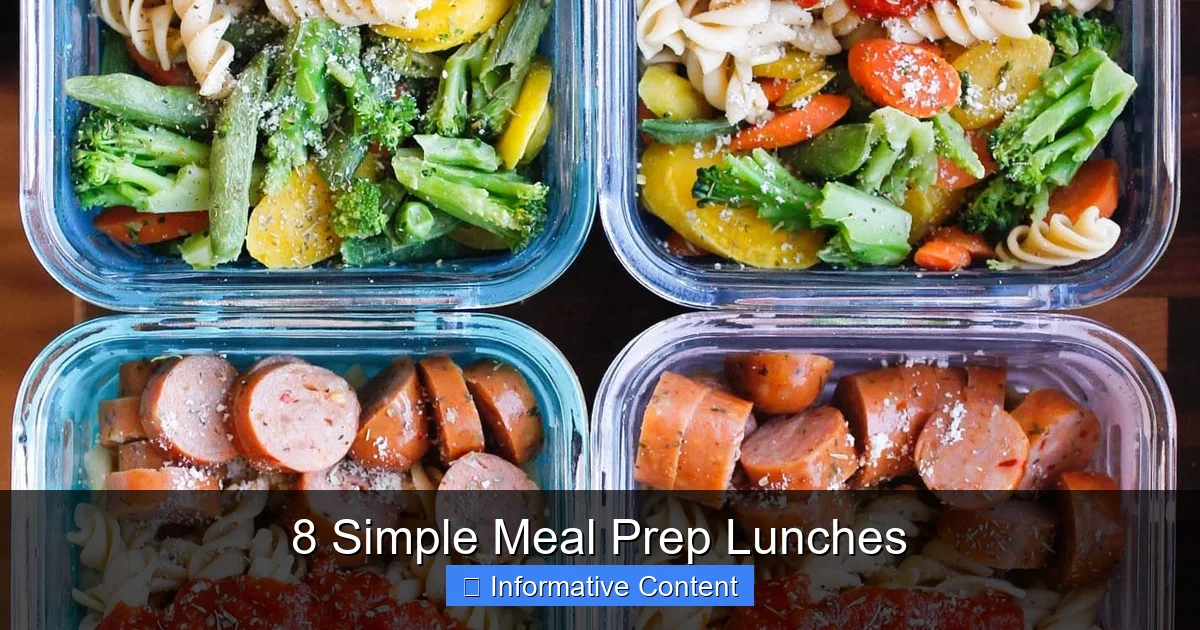
Struggling to eat healthy during busy weekdays? These 8 simple meal prep lunches are your secret weapon. Packed with flavor, nutrition, and convenience, they’ll help you ditch takeout, save money, and stay on track—without spending hours in the kitchen.
Key Takeaways
- Save time and stress: Preparing lunches in advance means no more last-minute decisions or unhealthy choices.
- Eat healthier consistently: Control ingredients, portion sizes, and avoid hidden sugars or preservatives.
- Save money: Meal prepping reduces food waste and cuts down on expensive restaurant meals.
- Boost energy and focus: Balanced meals with protein, fiber, and healthy fats keep you full and alert all afternoon.
- Customize to your taste: These recipes are flexible—swap ingredients based on dietary needs or preferences.
- Use simple tools: All you need are basic containers, a rice cooker or pot, and a baking sheet.
- Prep once, eat all week: Most of these meals stay fresh and tasty for 4–5 days in the fridge.
Quick Answers to Common Questions
How long do meal prep lunches last in the fridge?
Most meal prep lunches stay fresh and safe to eat for 4–5 days when stored in airtight containers in the refrigerator. Always check for signs of spoilage like off smells or slimy textures.
Can I freeze these meal prep lunches?
Some meals, like soups or casseroles, freeze well. However, salads, fresh veggies, and dressings don’t freeze properly. For best results, freeze only freezer-safe components and thaw in the fridge overnight.
Do I need special containers for meal prepping?
Not necessarily, but good-quality, leak-proof, microwave-safe containers make a big difference. Glass containers are ideal for reheating, while BPA-free plastic is lightweight and durable.
How can I prevent my meals from getting soggy?
Store dressings, sauces, and crunchy toppings separately. Use sturdy vegetables like cucumbers and carrots, and avoid overly watery ingredients like tomatoes in salads unless layered properly (e.g., in mason jars).
What if I don’t like reheating my food?
Many meal prep lunches—like grain bowls, pasta salads, and mason jar salads—are delicious eaten cold. These are perfect for office lunches or warm days when you don’t want to use the microwave.
📑 Table of Contents
Why Meal Prep Lunches Are a Game-Changer
Let’s be real—most of us want to eat well. We know that a balanced lunch fuels our afternoon, helps us stay focused, and keeps our energy steady. But between work deadlines, family responsibilities, and the constant buzz of notifications, healthy eating often takes a backseat. That’s where meal prep lunches come in.
Imagine opening your fridge on Monday morning and pulling out a delicious, ready-to-eat lunch that’s packed with nutrients, tastes amazing, and took you less than an hour to make. No more scrambling at 11:45 a.m., debating between a sad salad or greasy takeout. No more guilt from eating something you didn’t really want. Just grab, go, and enjoy.
Meal prepping isn’t about perfection. It’s about making smart choices easier. And the best part? You don’t need to be a chef or spend your entire Sunday in the kitchen. With a few simple recipes, some basic containers, and a little planning, you can transform your lunch game—and your whole week.
What Makes a Great Meal Prep Lunch?

Visual guide about 8 Simple Meal Prep Lunches
Image source: ohclary.com
Not all meal prep lunches are created equal. The best ones share a few key traits: they’re balanced, flavorful, easy to store, and simple to reheat (or eat cold). Let’s break down what makes a lunch truly meal-prep-friendly.
Balanced Nutrition
A great meal prep lunch includes a mix of protein, complex carbs, healthy fats, and fiber. This combo keeps you full longer, stabilizes your blood sugar, and prevents that mid-afternoon crash. For example, grilled chicken (protein), quinoa (carbs), avocado (fats), and roasted veggies (fiber) make a powerhouse plate.
Flavor That Lasts
Some foods lose their appeal after a few days in the fridge. The best meal prep lunches use bold seasonings, herbs, and sauces that hold up well. Think lemon-herb dressings, garlic-roasted vegetables, or spice blends like cumin and smoked paprika. Avoid overly creamy sauces that can separate—opt for vinaigrettes or yogurt-based dressings instead.
Easy Storage and Reheating
Glass or BPA-free plastic containers with tight lids are ideal. Portion meals into individual servings so you can grab one and go. Most of these recipes reheat well in the microwave, but some—like grain bowls or salads—are perfect cold. If you’re packing a salad, keep dressing separate and add it just before eating.
Minimal Active Cooking Time
The goal is simplicity. Recipes that use one-pot cooking, sheet pan roasting, or batch-cooking grains save time and cleanup. You don’t need fancy techniques—just smart strategies.
8 Simple Meal Prep Lunches You’ll Actually Look Forward To
Now for the fun part—your go-to lineup of 8 simple meal prep lunches. These recipes are designed to be easy, tasty, and versatile. Mix and match ingredients based on what you like or what’s in season. All of them can be prepped in under an hour and stored for up to 5 days.
1. Mediterranean Quinoa Bowls
These colorful bowls are a Mediterranean dream—fresh, vibrant, and full of heart-healthy fats. Start with a base of cooked quinoa, then top with chopped cucumbers, cherry tomatoes, red onion, Kalamata olives, and crumbled feta. Add a handful of spinach or arugula for extra greens.
For protein, grilled chicken, chickpeas, or hard-boiled eggs work great. Drizzle with a simple lemon-olive oil dressing: mix 3 parts olive oil, 1 part lemon juice, a pinch of garlic powder, salt, and pepper. Store dressing separately and toss before eating.
Prep tip: Cook a big batch of quinoa on Sunday. It reheats well or can be eaten cold. Roast a tray of chicken breasts at the same time to save oven space.
2. Turkey & Veggie Stir-Fry with Brown Rice
Stir-fries are perfect for meal prep because they cook fast and absorb flavor beautifully. Use lean ground turkey or sliced turkey breast, and load up on colorful veggies like bell peppers, broccoli, snap peas, and carrots.
Sauté everything in a large skillet or wok with a bit of olive oil or avocado oil. Add a simple sauce made from low-sodium soy sauce, garlic, ginger, a touch of honey, and a splash of rice vinegar. Serve over cooked brown rice or cauliflower rice for a lower-carb option.
Storage tip: Store rice and stir-fry separately to prevent sogginess. Reheat both together in the microwave for 2–3 minutes.
3. Mason Jar Salads
Mason jar salads are not only Instagram-worthy—they’re also genius for meal prep. The key is layering ingredients in the right order to keep greens crisp. Start with the dressing at the bottom, then add hearty veggies, proteins, and finally, greens on top.
Try this combo:
– Bottom: 2 tbsp balsamic vinaigrette
– Layer 2: diced cucumbers, cherry tomatoes, shredded carrots
– Layer 3: chickpeas or grilled shrimp
– Top: mixed greens or spinach
When you’re ready to eat, just shake the jar and pour into a bowl. No soggy lettuce!
Pro tip: Use wide-mouth jars for easier eating. These salads stay fresh for 4–5 days.
4. Sweet Potato & Black Bean Burrito Bowls
These vegetarian-friendly bowls are hearty, satisfying, and packed with fiber. Roast cubed sweet potatoes with olive oil, cumin, chili powder, and a pinch of salt until tender. Cook black beans with a bit of garlic and onion for extra flavor.
Serve over brown rice or quinoa, and top with corn, diced avocado, shredded lettuce, and a dollop of Greek yogurt or salsa. For a protein boost, add grilled tofu or tempeh.
Flavor hack: Add a squeeze of lime juice before eating to brighten up the flavors.
5. Egg & Veggie Breakfast-for-Lunch Bowls
Who says breakfast can’t be lunch? These egg-based bowls are quick, protein-rich, and endlessly customizable. Scramble or bake eggs with spinach, mushrooms, bell peppers, and onions.
For a hands-off option, make a frittata: whisk eggs with milk, pour over sautéed veggies in an oven-safe skillet, and bake at 375°F for 20 minutes. Slice into portions and store.
Serve with a side of whole-grain toast or roasted sweet potato cubes. Add a sprinkle of feta or cheddar for extra flavor.
Make-ahead tip: Bake a frittata on Sunday and reheat slices in the microwave. It stays moist and delicious.
6. Chicken & Hummus Wraps
Wraps are portable, easy to eat, and perfect for on-the-go days. Use whole-wheat tortillas and spread a layer of hummus. Add shredded rotisserie chicken, spinach, shredded carrots, cucumber slices, and a few olives.
Roll tightly and slice in half. Wrap in parchment paper or foil for easy transport. These hold up well in the fridge for 3–4 days.
Upgrade idea: Add a sprinkle of za’atar or everything bagel seasoning for a flavor kick.
7. Asian-Inspired Noodle Bowls
These noodle bowls are inspired by Thai and Vietnamese flavors—light, fresh, and full of crunch. Use rice noodles or soba noodles as the base. Toss with a simple sauce made from peanut butter, soy sauce, lime juice, garlic, and a touch of honey or maple syrup.
Top with shredded cabbage, julienned carrots, edamame, sliced scallions, and crushed peanuts. Add grilled chicken, tofu, or shrimp for protein.
Storage note: Keep noodles and sauce separate until ready to eat. Mix well before serving to revive the flavors.
8. Caprese Pasta Salad
This Italian-inspired salad is cool, refreshing, and perfect for warmer days. Cook whole-wheat or chickpea pasta and let it cool. Toss with cherry tomatoes (halved), fresh mozzarella balls, and chopped basil.
Drizzle with a light balsamic glaze or olive oil and season with salt and pepper. Add a handful of arugula or spinach for extra nutrients.
Make it vegan: Use dairy-free mozzarella and skip the cheese, or add chickpeas for protein.
Tips for Successful Meal Prepping
Even the best recipes can fall flat without the right approach. Here are some practical tips to make your meal prep journey smooth and sustainable.
Plan Ahead
Start with a plan. Decide what you want to eat for the week, check your pantry, and make a shopping list. This prevents impulse buys and reduces food waste. Aim for 3–4 different meals to keep things interesting.
Batch Cook Staples
Cook grains (rice, quinoa, farro), roast a big tray of veggies, and grill or bake proteins in bulk. Store them in separate containers so you can mix and match throughout the week. For example, use roasted sweet potatoes in burrito bowls one day and in a salad the next.
Invest in Good Containers
Quality containers make a huge difference. Look for ones that are leak-proof, microwave-safe, and stackable. Glass is ideal for reheating, but BPA-free plastic works too. Label containers with the date so you know what’s fresh.
Prep in Stages
You don’t have to do everything at once. Wash and chop veggies one day, cook grains the next, and assemble meals on Sunday evening. Spreading out the work makes it less overwhelming.
Keep It Simple
Don’t aim for perfection. Stick to recipes with 5–7 ingredients and minimal steps. The goal is consistency, not culinary mastery.
How to Store and Reheat Your Meals
Proper storage and reheating keep your meals safe, tasty, and enjoyable all week.
Refrigeration Basics
Most meal prep lunches last 4–5 days in the fridge when stored in airtight containers. Keep your fridge at or below 40°F. Store dressings, sauces, and crunchy toppings (like nuts or croutons) separately to maintain texture.
Reheating Tips
– Microwave: Reheat in 30-second intervals, stirring in between, to avoid hot spots. Add a splash of water or broth to prevent drying out.
– Oven: For crispy textures (like roasted veggies), reheat in a 350°F oven for 10–15 minutes.
– Eat cold: Salads, grain bowls, and pasta salads are often just as good cold—perfect for office lunches.
Freezing Options
Some meals freeze well, like soups, stews, and casseroles. However, salads and fresh veggies don’t freeze well. If you want to prep ahead for multiple weeks, focus on freezer-friendly recipes and thaw in the fridge overnight.
Customizing for Dietary Needs
The beauty of these meal prep lunches is their flexibility. Whether you’re vegetarian, gluten-free, low-carb, or dairy-free, you can adapt these recipes to fit your lifestyle.
Vegetarian & Vegan
Swap meat for plant-based proteins like tofu, tempeh, lentils, chickpeas, or edamame. Use nutritional yeast or vegan cheese for a cheesy flavor. Load up on beans, grains, and veggies.
Gluten-Free
Choose gluten-free grains like quinoa, rice, or millet. Use gluten-free pasta and tamari instead of soy sauce. Check labels on sauces and dressings.
Low-Carb
Replace grains with cauliflower rice, zucchini noodles, or extra veggies. Focus on proteins, healthy fats, and non-starchy vegetables. Avocado, nuts, and olive oil are your friends.
Dairy-Free
Skip cheese and creamy dressings. Use avocado, hummus, or tahini-based sauces instead. Coconut yogurt works well as a substitute.
Conclusion: Make Lunch the Easiest Meal of Your Day
Meal prep lunches aren’t just about saving time—they’re about taking control of your health, your budget, and your peace of mind. With these 8 simple meal prep lunches, you’ve got a toolkit of delicious, nutritious options that make healthy eating effortless.
You don’t need to spend hours in the kitchen or follow complicated recipes. Start small—pick one or two meals to try this week. See how it feels to open your fridge and know exactly what you’re eating. Notice the difference in your energy, your focus, and your wallet.
Remember, consistency beats perfection. Even if you only prep three lunches a week, that’s three fewer decisions, three fewer temptations, and three steps closer to your goals. So grab your containers, fire up the stove, and give these recipes a try. Your future self will thank you.
Frequently Asked Questions
What are the benefits of meal prepping lunches?
Meal prepping saves time, reduces stress, helps you eat healthier, and cuts down on food waste and takeout costs. It also supports consistent energy and better focus throughout the day.
How much time does it take to meal prep for the week?
Most people spend 60–90 minutes on a Sunday prepping 4–5 lunches. Batch cooking grains, proteins, and veggies makes the process efficient and manageable.
Can I meal prep if I have a busy schedule?
Absolutely. Even prepping just 2–3 lunches a week makes a difference. Use quick recipes, simple ingredients, and prep in stages to fit meal prepping into your routine.
Are these meals suitable for weight loss?
Yes, these meal prep lunches are balanced, portion-controlled, and rich in protein and fiber—key factors for feeling full and supporting weight management.
What if I get bored of the same meals?
Rotate recipes weekly, swap ingredients, or change up sauces and seasonings. Variety keeps things exciting and ensures you get a range of nutrients.
Do I need to be a good cook to meal prep?
Not at all. These recipes use simple techniques like roasting, sautéing, and mixing. With a little practice, anyone can master basic meal prep skills.