
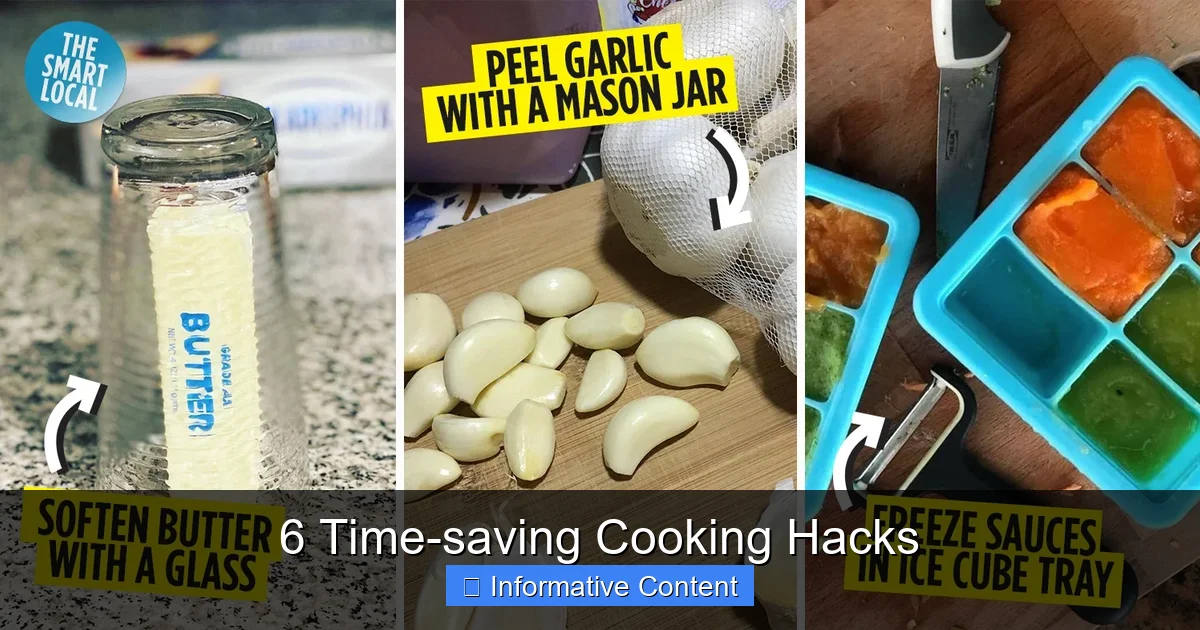
Struggling to get dinner on the table fast? These 6 time-saving cooking hacks will transform your kitchen routine. From smart prep tricks to clever appliance use, you’ll spend less time cooking and more time enjoying meals with loved ones.
Key Takeaways
- Prep ingredients in bulk: Chop, slice, and dice ahead of time to cut down on daily cooking time.
- Use one-pot and sheet pan meals: Simplify cooking and cleanup with recipes that use minimal dishes.
- Master the art of multitasking: Cook multiple components at once using different heat zones on your stove or oven.
- Leverage kitchen gadgets wisely: Tools like immersion blenders, food processors, and slow cookers can save hours.
- Repurpose leftovers creatively: Turn last night’s dinner into tomorrow’s lunch with simple transformations.
- Keep a well-stocked pantry: Having essentials on hand means fewer last-minute store runs.
- Adopt the “mise en place” method: Organize ingredients before cooking to streamline the process.
Quick Answers to Common Questions
What is the best time-saving cooking hack for beginners?
The best hack for beginners is bulk prepping ingredients. Chop vegetables or cook grains once a week to save time on busy nights.
Can I use frozen vegetables to save time?
Yes! Frozen vegetables are pre-chopped and blanched, making them a quick, nutritious option for stir-fries, soups, and casseroles.
How do I avoid overcooking food when multitasking?
Use timers and check food regularly. Start with shorter cooking times and adjust as needed. Practice helps build confidence.
Are one-pot meals healthy?
Absolutely. One-pot meals can be packed with vegetables, lean protein, and whole grains. Just watch the salt and oil content.
What’s the easiest way to repurpose leftovers?
Turn cooked proteins into salads, soups, or wraps. Use leftover grains in bowls or fried rice. Get creative with seasonings and sauces.
📑 Table of Contents
- Introduction: Why Time-Saving Cooking Hacks Matter
- Hack #1: Prep Ingredients in Bulk (Meal Prep Like a Pro)
- Hack #2: Embrace One-Pot and Sheet Pan Meals
- Hack #3: Master the Art of Multitasking in the Kitchen
- Hack #4: Use Kitchen Gadgets Wisely
- Hack #5: Repurpose Leftovers Creatively
- Hack #6: Keep a Well-Stocked Pantry
- Conclusion: Cook Smarter, Not Harder
Introduction: Why Time-Saving Cooking Hacks Matter
In today’s fast-paced world, finding time to cook healthy, homemade meals can feel like a luxury. Between work, family, and other responsibilities, the last thing many of us want to do after a long day is spend an hour in the kitchen chopping, stirring, and cleaning. But what if you could cut your cooking time in half—without sacrificing flavor or nutrition?
That’s where time-saving cooking hacks come in. These aren’t about cutting corners or eating processed food. Instead, they’re smart, practical strategies that help you work more efficiently in the kitchen. Whether you’re a busy parent, a working professional, or just someone who values their time, these hacks can make a real difference. From prepping ingredients in advance to using your appliances more effectively, small changes can lead to big time savings.
In this guide, we’ll explore six proven time-saving cooking hacks that are easy to implement and deliver real results. You’ll learn how to streamline your meal prep, reduce cleanup time, and still enjoy delicious, home-cooked meals every day. Let’s dive in and start cooking smarter—not harder.
Hack #1: Prep Ingredients in Bulk (Meal Prep Like a Pro)
One of the biggest time-suckers in the kitchen is daily chopping, slicing, and dicing. If you find yourself spending 20 minutes just prepping vegetables every night, it’s time to rethink your approach. The solution? Bulk prep.

Visual guide about 6 Time-saving Cooking Hacks
Image source: foodfusion.com
Bulk prepping—also known as meal prepping—means preparing ingredients in large quantities ahead of time. This could be chopping onions, grating cheese, cooking grains, or marinating proteins. By doing this once or twice a week, you eliminate repetitive tasks during the week and dramatically cut down on daily cooking time.
How to Get Started with Bulk Prep
Start small. Pick one or two ingredients that you use frequently—like onions, garlic, or carrots—and prep them in bulk on a Sunday afternoon. Store them in airtight containers in the fridge. For example, chop three onions and store them in a glass container. Use them throughout the week in soups, stir-fries, or omelets.
You can also cook grains like rice, quinoa, or farro in large batches. Cook a big pot on Sunday and portion it into containers. These can be reheated quickly for meals during the week. The same goes for proteins: grill or bake a batch of chicken breasts, roast a tray of tofu, or hard-boil a dozen eggs.
Tips for Effective Bulk Prep
- Use clear containers: Label them with the date and contents so you know what’s inside and when it was made.
- Prep in stages: Don’t try to do everything at once. Focus on one category—like vegetables or grains—each week.
- Invest in good storage: Glass containers with tight lids keep food fresh longer and are microwave-safe.
- Freeze when possible: Some prepped ingredients, like chopped herbs or cooked beans, freeze well and can be used months later.
For example, imagine you make a stir-fry every Tuesday and Thursday. Instead of chopping bell peppers, broccoli, and onions each time, you prep them all on Sunday. That’s 15 minutes saved twice a week—30 minutes total. Over a month, that’s two hours you’ve reclaimed.
Bulk prepping also reduces food waste. When ingredients are already chopped and ready to go, you’re more likely to use them before they spoil. Plus, it makes cooking feel less overwhelming. Instead of staring at a whole head of cauliflower, you’ve got perfectly diced florets waiting in the fridge.
One caveat: not everything should be prepped far in advance. Delicate herbs like basil or cilantro lose their flavor and texture quickly. Save those for day-of prep. But for hardy vegetables and cooked grains, bulk prep is a game-changer.
Hack #2: Embrace One-Pot and Sheet Pan Meals
If you dread the mountain of dishes that comes after dinner, one-pot and sheet pan meals are your new best friends. These cooking methods combine multiple ingredients in a single vessel, cutting down on both cooking time and cleanup.
One-pot meals—like soups, stews, risottos, and pasta dishes—allow you to cook everything together in one pot. You sauté, simmer, and season all in the same dish. Sheet pan meals, on the other hand, involve roasting proteins and vegetables together on a single baking sheet. Both methods are perfect for busy weeknights.
Why One-Pot and Sheet Pan Meals Save Time
First, there’s less prep. You don’t need to juggle multiple pots and pans. Second, cooking time is often shorter because ingredients cook simultaneously. Third, cleanup is a breeze—just one dish to wash (or even better, one dish to load into the dishwasher).
For example, a classic one-pot chicken and rice dish takes about 30 minutes from start to finish. You brown the chicken, add rice, broth, and vegetables, then let it simmer. No need to cook rice separately or roast veggies on another pan. Everything comes together in one pot.
Sheet Pan Meal Ideas
Sheet pan meals are incredibly versatile. Try roasting salmon with asparagus and cherry tomatoes, or chicken thighs with potatoes and Brussels sprouts. Toss everything with olive oil, salt, pepper, and your favorite herbs, then pop it in the oven at 400°F (200°C) for 25–30 minutes.
Pro tip: line your sheet pan with parchment paper or a silicone baking mat. This makes cleanup nearly effortless—just lift out the food and toss the liner.
You can also customize sheet pan meals based on what’s in your fridge. Got leftover roasted veggies? Add them to a sheet pan with eggs and bake for a frittata. Have extra cooked quinoa? Mix it with black beans, corn, and spices, then bake for a hearty grain bake.
One-Pot Meal Variations
One-pot meals aren’t just for comfort food. You can make healthy, flavorful dishes like lentil curry, vegetable paella, or creamy mushroom orzo. The key is layering flavors: start by sautéing aromatics like onions and garlic, then add liquids and grains or proteins.
For a quick one-pot pasta, cook pasta in broth instead of water. Add vegetables and protein toward the end. The starch from the pasta thickens the broth into a light sauce. It’s a one-pot wonder that tastes like it took hours.
These methods are also great for batch cooking. Make a large one-pot chili or sheet pan fajitas, then portion them out for lunches or freeze for later. You’ll save time now and in the future.
Hack #3: Master the Art of Multitasking in the Kitchen
Efficient cooking isn’t just about what you cook—it’s about how you cook. One of the most powerful time-saving cooking hacks is multitasking: doing multiple things at once without sacrificing quality.
Think of your kitchen like a well-run kitchen in a restaurant. Chefs don’t cook one dish at a time. They use every burner, oven rack, and counter space to prepare multiple components simultaneously. You can do the same at home.
How to Multitask Effectively
Start by planning your meal. Identify which components can be cooked at the same time. For example, if you’re making a stir-fry, you can cook the rice in a rice cooker while sautéing the vegetables and marinating the protein.
Use different heat zones on your stove. Simmer a sauce on low heat while searing meat on high. Or roast vegetables in the oven while boiling pasta on the stovetop. The oven can also multitask: bake chicken on the top rack and roast potatoes on the bottom.
Example: A 30-Minute Dinner Using Multitasking
Let’s say you want to make garlic butter salmon with roasted broccoli and quinoa. Here’s how to do it in 30 minutes:
- Start by cooking quinoa in a rice cooker or on the stove (15 minutes).
- While the quinoa cooks, toss broccoli with olive oil and roast in the oven at 425°F (220°C) for 20 minutes.
- After 10 minutes of roasting, add the salmon to the same sheet pan. Return to the oven.
- While everything roasts, make a quick garlic butter sauce on the stove.
By the time the salmon and broccoli are done, the quinoa is ready, and the sauce is hot. Dinner is on the table in 30 minutes with minimal effort.
Tools That Help with Multitasking
Certain appliances make multitasking easier. A rice cooker frees up a burner. An Instant Pot can pressure cook grains, beans, or meats while you prep other ingredients. A food processor chops vegetables in seconds, giving you time to focus on other tasks.
Even simple tools like a timer app on your phone can help. Set multiple timers for different dishes so you don’t overcook anything.
Multitasking also means thinking ahead. While your pasta boils, wipe down counters or set the table. These small tasks add up and make your kitchen time more productive.
Hack #4: Use Kitchen Gadgets Wisely
Kitchen gadgets often get a bad rap for taking up space and being underused. But when used correctly, they can be powerful time-savers. The key is choosing the right tools and knowing how to use them efficiently.
You don’t need a drawer full of single-use gadgets. Instead, focus on versatile tools that perform multiple functions. Here are a few that deliver big time savings.
Immersion Blender (Hand Blender)
An immersion blender is perfect for blending soups, sauces, and smoothies directly in the pot or container. No need to transfer hot liquid to a countertop blender. Just plunge the blender into the pot and blend until smooth.
For example, make a creamy tomato soup in 20 minutes. Sauté onions and garlic, add tomatoes and broth, simmer, then blend with the immersion blender. Done. No extra dishes, no waiting for the blender to cool.
Food Processor
A food processor chops, slices, shreds, and mixes in seconds. Use it to dice onions, grate cheese, or make pie crust. It’s especially helpful for recipes that require finely chopped ingredients, like meatballs or pesto.
Try making homemade hummus: chickpeas, tahini, lemon juice, and garlic go into the processor. Blend for 2 minutes, and you’ve got a fresh, creamy dip. No soaking beans or hand-mashing.
Slow Cooker or Instant Pot
These appliances are champions of time-saving cooking. A slow cooker lets you “set it and forget it.” Throw in ingredients in the morning, and dinner is ready when you get home.
An Instant Pot combines multiple functions—pressure cooker, slow cooker, rice cooker, steamer—in one device. Cook dried beans in 30 minutes, or make a whole chicken in under an hour. It’s perfect for busy families.
Air Fryer
An air fryer cooks food quickly with little to no oil. It’s great for crispy fries, roasted vegetables, or even reheating leftovers. Many models have preset programs, so you just press a button and walk away.
Use it to cook chicken wings in 20 minutes while you prep a salad. Or make crispy tofu for a stir-fry without deep-frying.
Choosing the Right Gadgets
Before buying a new gadget, ask: Will I use this at least once a week? Does it replace multiple tools? Is it easy to clean? Avoid impulse buys. Stick to tools that solve a real problem in your kitchen.
Also, learn how to use your gadgets to their full potential. Read the manual, watch tutorial videos, and experiment. A food processor can do more than chop—it can make dough, nut butter, or even ice cream.
Hack #5: Repurpose Leftovers Creatively
Wasting food is not only bad for the environment—it’s a waste of time and money. One of the best time-saving cooking hacks is learning how to repurpose leftovers into new, delicious meals.
Instead of eating the same thing two days in a row, transform leftovers with simple tweaks. A roasted chicken becomes chicken salad, chicken soup, or chicken tacos. Cooked rice turns into fried rice, rice pudding, or stuffed peppers.
Creative Leftover Ideas
- Roasted vegetables: Blend into a soup, toss into a grain bowl, or mix into scrambled eggs.
- Cooked pasta: Toss with pesto and cherry tomatoes for a quick cold pasta salad, or bake with cheese for a casserole.
- Grilled meat: Slice and add to sandwiches, salads, or stir-fries.
- Beans or lentils: Mash into burgers, blend into dips, or add to soups.
For example, if you have leftover roasted sweet potatoes, make a breakfast hash. Sauté with onions, spinach, and eggs for a hearty morning meal. Or blend them into a smoothie with banana and almond milk.
Meal Planning with Leftovers in Mind
When planning meals, think about how leftovers can be reused. Cook extra chicken on Sunday to use in Monday’s salad and Tuesday’s soup. Make a big batch of chili and freeze half for a future dinner.
Label leftovers with the date and contents. Use a whiteboard or app to track what’s in your fridge. This helps you use things before they go bad.
Repurposing leftovers also saves money. You’re getting more meals out of the same ingredients. And it reduces decision fatigue—no need to figure out what to cook every night.
Hack #6: Keep a Well-Stocked Pantry
There’s nothing worse than starting to cook only to realize you’re out of a key ingredient. A well-stocked pantry prevents last-minute store runs and keeps your cooking on track.
Think of your pantry as your kitchen’s foundation. With the right staples, you can whip up a meal in minutes—even when you’re short on fresh ingredients.
Essential Pantry Staples
- Grains: Rice, quinoa, pasta, oats
- Canned goods: Beans, tomatoes, coconut milk, tuna
- Oils and vinegars: Olive oil, sesame oil, balsamic vinegar
- Spices and herbs: Salt, pepper, garlic powder, oregano, cumin
- Condiments: Soy sauce, mustard, hot sauce, peanut butter
- Dried goods: Lentils, nuts, seeds, dried fruit
With these on hand, you can make a simple pasta with marinara sauce, a black bean burrito, or a peanut butter oatmeal bowl—all in under 15 minutes.
How to Maintain Your Pantry
Do a pantry audit once a month. Check expiration dates and restock what you’re low on. Keep a running list on your phone or fridge.
Store items in clear containers with labels. This makes it easy to see what you have and prevents duplicates. Group similar items together—like all grains in one section, all spices in another.
A well-stocked pantry also encourages creativity. When you have options, you’re more likely to experiment with new recipes instead of defaulting to takeout.
Conclusion: Cook Smarter, Not Harder
Time-saving cooking hacks aren’t about rushing through meals or sacrificing quality. They’re about working smarter in the kitchen so you can enjoy more of what matters—family, friends, and delicious food.
From bulk prepping to using your appliances wisely, these six hacks can transform your cooking routine. Start with one or two that fit your lifestyle, and build from there. Over time, you’ll notice less stress, less time in the kitchen, and more satisfaction from your meals.
Remember, the goal isn’t perfection. It’s progress. Every small change adds up. So grab your cutting board, fire up the oven, and start cooking with confidence. Your future self—and your taste buds—will thank you.
Frequently Asked Questions
What are time-saving cooking hacks?
Time-saving cooking hacks are smart techniques that help you prepare meals faster and more efficiently. They include bulk prepping, using one-pot meals, and leveraging kitchen gadgets.
How can I save time when cooking dinner?
Plan ahead, prep ingredients in bulk, use multitasking strategies, and choose recipes with minimal cleanup. These steps can cut cooking time significantly.
Is meal prepping worth the time?
Yes. Meal prepping saves time during the week, reduces food waste, and helps you eat healthier. Even 30 minutes of prep can make a big difference.
What kitchen tools save the most time?
Immersion blenders, food processors, Instant Pots, and air fryers are among the most time-efficient tools. They speed up chopping, blending, and cooking.
Can I freeze prepped ingredients?
Many ingredients can be frozen, including chopped vegetables, cooked grains, and sauces. Use airtight containers and label them for best results.
How do I start using time-saving cooking hacks?
Begin with one hack, like bulk prepping or trying a one-pot meal. Gradually add more strategies as they become part of your routine.