

Small outdoor kitchen ideas don’t require a sprawling backyard—just smart design and clever use of space. From compact grills to foldable countertops, you can create a functional and stylish outdoor cooking area even in tight spots. With the right layout, materials, and appliances, your small outdoor kitchen can become the heart of summer entertaining.
Imagine sipping your morning coffee while flipping pancakes on a sleek outdoor griddle, or hosting friends for a backyard barbecue without tripping over cords or crowding the patio. You don’t need acres of land to enjoy the pleasures of outdoor cooking—just a few smart small outdoor kitchen ideas can transform even the tiniest balcony, deck, or corner of your yard into a functional and inviting culinary retreat.
The dream of an outdoor kitchen often conjures images of sprawling stone islands, built-in pizza ovens, and multiple seating areas. But for most homeowners, space is a luxury. That’s where creativity comes in. Small outdoor kitchens are not only practical—they’re increasingly popular as people seek to extend their living spaces beyond the walls of their homes. Whether you’re working with a 10×10 patio or a narrow rooftop terrace, the key is thoughtful planning and efficient use of every square inch.
In this guide, we’ll explore a variety of small outdoor kitchen ideas that prove great things come in compact packages. From clever layouts and space-saving appliances to stylish design touches, you’ll discover how to build a kitchen that’s both beautiful and functional—no matter your square footage. Let’s dive in and turn your outdoor space into a culinary oasis.
Key Takeaways
- Maximize vertical space: Use wall-mounted shelves, hanging racks, or tall cabinets to free up floor area and keep essentials within reach.
- Choose multi-functional appliances: Opt for combo units like grill-sinks or grill-fridges to reduce clutter and save space.
- Embrace modular designs: Portable or modular outdoor kitchen units let you rearrange or store components when not in use.
- Use weather-resistant materials: Select durable, low-maintenance materials like stainless steel, stone, or composite decking to withstand the elements.
- Incorporate foldable or retractable features: Fold-down tables, pull-out counters, and retractable awnings help expand usability without permanent footprint.
- Lighting and ambiance matter: Add string lights, LED strips, or solar-powered fixtures to create a cozy atmosphere for evening meals.
- Plan for storage: Even in small spaces, built-in cabinets, drawers, or under-counter bins keep utensils, spices, and tools organized.
Quick Answers to Common Questions
Can I build an outdoor kitchen on a balcony?
Yes! Many small outdoor kitchen ideas are perfect for balconies. Use compact appliances, wall-mounted storage, and foldable furniture to maximize space while following building safety codes.
What’s the smallest grill I can use for an outdoor kitchen?
Grills as small as 24 inches wide are available and work great for 1–4 people. Look for portable or built-in models with multiple burners for versatility.
Do I need a sink in a small outdoor kitchen?
Not necessarily. A sink is convenient but not essential. Many small kitchens use a portable water station or rely on indoor cleanup for lighter use.
How do I protect my outdoor kitchen from the weather?
Use weather-resistant materials, cover appliances when not in use, and consider a pergola or awning for shade and rain protection.
Can I use indoor appliances outdoors?
No—indoor appliances aren’t designed for outdoor conditions and can be unsafe. Always choose appliances rated for outdoor use.
📑 Table of Contents
1. Assess Your Space and Set Realistic Goals
Before you start shopping for grills or sketching floor plans, take a good look at your outdoor area. Measure the dimensions carefully, noting any obstacles like railings, doors, trees, or electrical outlets. Understanding your space is the foundation of any successful small outdoor kitchen design.
Start by asking yourself: What do I want to use this kitchen for? Are you planning casual weekend cookouts, romantic dinners for two, or frequent entertaining? Your usage will dictate the appliances, storage, and layout you’ll need. For example, if you love grilling but rarely cook full meals outdoors, a compact grill with a small prep area might suffice. But if you enjoy making pizzas, smoking meats, or mixing cocktails, you’ll need more counter space and possibly additional appliances.
Next, consider your climate. If you live in an area with harsh winters or frequent rain, you may want to prioritize covered spaces or invest in weather-resistant materials. Conversely, if you enjoy year-round outdoor living, you might include heating elements or shade structures.
Finally, set a budget. Small outdoor kitchens can range from a few hundred dollars for a basic setup to several thousand for high-end modular units. Knowing your limits upfront will help you make smart choices and avoid overspending.
Tips for Space Assessment
- Use painter’s tape to outline appliance and counter locations on the ground—this helps visualize the layout.
- Leave at least 36 inches of clearance around cooking and prep areas for safe movement.
- Check local building codes or HOA rules—some areas require permits for gas lines or electrical work.
2. Choose the Right Layout for Small Spaces
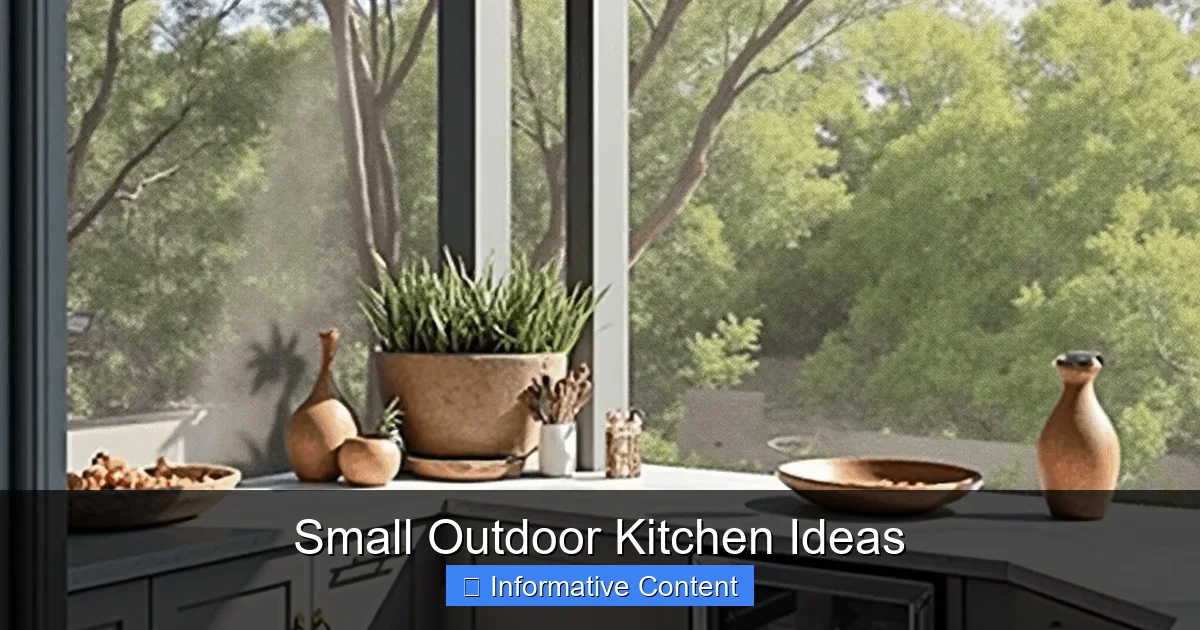
Visual guide about Small Outdoor Kitchen Ideas
Image source: meetceline.com
When space is limited, every inch counts. The layout of your small outdoor kitchen can make or break its functionality. Fortunately, several efficient layouts are designed specifically for compact areas.
One of the most popular options is the **galley or corridor layout**, where appliances and counters are arranged along a single wall or in a narrow strip. This setup is ideal for balconies, small patios, or spaces adjacent to a house wall. It keeps everything within arm’s reach and minimizes walking distance—perfect for quick meal prep.
Another great choice is the **L-shaped layout**, which uses two adjacent walls to create a corner workspace. This design offers more counter space and allows for a natural workflow between the grill, sink, and prep area. Even in tight spaces, an L-shape can feel open and organized.
For those with slightly more room, a **U-shaped layout** provides maximum efficiency. Though it requires more square footage, it’s excellent for frequent cooks who want everything close at hand. In smaller versions, the U-shape can be adapted by using fold-down extensions or compact appliances.
If your space is truly tiny—think under 50 square feet—consider a **single-wall kitchen** with vertical storage. Mount shelves above the counter, hang utensils from hooks, and use stackable bins to keep things tidy. This minimalist approach keeps the area open and uncluttered.
Creative Layout Hacks
- Use a rolling cart as a movable prep station—it can double as a serving tray or be stored indoors when not in use.
- Install a fold-down counter that swings out from the wall when needed and tucks away afterward.
- Place the grill at the end of a narrow deck to create a natural “work triangle” with the sink and fridge.
3. Select Space-Saving Appliances and Fixtures
Appliances are the heart of any outdoor kitchen, but in small spaces, size and versatility are crucial. The goal is to choose units that deliver big performance without taking up too much room.
Start with the grill. For small outdoor kitchens, **compact gas grills** are a top choice. Look for models under 30 inches wide that still offer multiple burners and even infrared searing zones. Brands like Weber, Napoleon, and Char-Broil offer excellent small-format options. If you prefer charcoal, consider a kamado-style grill—its vertical design saves space and doubles as a smoker.
Next, think about refrigeration. A **small outdoor refrigerator** or beverage cooler keeps drinks cold and ingredients fresh without needing a full-sized unit. Many models are designed specifically for outdoor use and can be built into cabinets or placed under counters. Alternatively, a **portable cooler on wheels** can serve as a temporary fridge during parties.
For cooking versatility, consider a **multi-function appliance** like a grill with a side burner, griddle, or smoker attachment. Some units even include built-in sinks or storage drawers—perfect for maximizing utility in minimal space.
Don’t forget the sink! A **compact stainless steel sink** with a pull-down faucet makes cleanup easy and adds a professional touch. If plumbing is an issue, a **self-contained sink with a water reservoir** can be a great alternative.
Appliance Tips for Tiny Kitchens
- Choose appliances with front-facing controls to avoid needing extra clearance behind them.
- Look for units with built-in storage—some grills have drawers for utensils or fuel.
- Consider electric appliances if gas lines are impractical—many modern electric grills heat up quickly and perform well.
4. Optimize Storage and Organization
In a small outdoor kitchen, clutter is the enemy. Without proper storage, even the most stylish setup can quickly become chaotic. The key is to think vertically and use every available nook.
Start with **built-in cabinets** or **weatherproof storage boxes**. Stainless steel or powder-coated aluminum cabinets resist rust and look sleek. Use deep drawers for pots and pans, and shallow ones for spices or utensils. Magnetic strips on the inside of cabinet doors can hold knives or metal tools.
Wall space is gold in small kitchens. Install **floating shelves** for cookbooks, olive oil, or decorative items. Use **pegboards** with hooks to hang grilling tools, oven mitts, or even small pots. This keeps essentials visible and within reach while freeing up counter space.
For smaller items, use **stackable bins or baskets**. Label them for easy identification—think “Spices,” “Grilling Tools,” or “Napkins.” Clear containers let you see contents at a glance, reducing the need to dig through clutter.
If you’re short on floor space, consider **under-counter storage**. Some grills and sinks come with built-in cabinets, but you can also add rolling bins or pull-out trays. These are perfect for storing charcoal, propane tanks, or cleaning supplies.
Storage Hacks You’ll Love
- Use a tension rod under the sink to hang spray bottles or cleaning rags.
- Install a small Lazy Susan in a corner cabinet for easy access to spices or condiments.
- Repurpose a vintage suitcase or trunk as a stylish storage bin for linens or cookware.
5. Use Durable, Weather-Resistant Materials
Outdoor kitchens face the elements—sun, rain, snow, and temperature swings—so material choice is critical. You want surfaces that look great, last long, and require minimal upkeep.
For countertops, **stainless steel** is a top pick. It’s resistant to heat, rust, and stains, and it pairs beautifully with most grill designs. **Granite** and **quartz** are also excellent choices—they’re durable and come in a range of colors, though they may require sealing in wet climates.
If you prefer a more natural look, **concrete** or **tile** can add texture and style. Just ensure they’re sealed properly to prevent water damage. Avoid porous materials like untreated wood, which can warp or rot over time.
For cabinetry and framing, **powder-coated aluminum** or **marine-grade polymer** are ideal. These materials resist corrosion and won’t fade in the sun. **Stainless steel cabinets** are another premium option, though they come at a higher price point.
Flooring matters too. If your kitchen is on a deck or patio, consider **composite decking** or **porcelain tiles** designed for outdoor use. They’re slip-resistant, easy to clean, and available in wood-look finishes.
Material Maintenance Tips
- Clean stainless steel with a vinegar-water solution to prevent water spots.
- Re-seal stone countertops annually to maintain their protective barrier.
- Use furniture covers during off-seasons to extend the life of cabinets and appliances.
6. Add Lighting and Ambiance
A small outdoor kitchen isn’t just about function—it’s also about creating a welcoming atmosphere. Lighting plays a huge role in transforming your space from a utilitarian cooking zone to a cozy evening retreat.
Start with **task lighting** near the grill and prep areas. LED strip lights under cabinets or along counter edges provide bright, focused illumination for cooking. Choose waterproof, outdoor-rated fixtures to ensure safety and durability.
For ambiance, **string lights** are a classic choice. Drape them overhead in a grid pattern or along railings for a magical glow. Solar-powered options are eco-friendly and easy to install—no wiring required.
Add **pathway lights** or **step lights** if your kitchen is near stairs or a walkway. These improve safety and guide guests through the space. For a modern touch, consider **recessed deck lights** or **LED rope lights** embedded in countertops.
Don’t forget about **mood lighting**. A few well-placed lanterns, candles, or a small fire pit can make your outdoor kitchen feel warm and inviting. Just ensure open flames are safely contained and away from flammable materials.
Lighting Ideas on a Budget
- Use battery-operated fairy lights for a no-wiring solution.
- Install dimmer switches to adjust brightness based on the time of day.
- Repurpose indoor lamps with outdoor-rated bulbs for a unique look.
7. Personalize with Style and Comfort
Your small outdoor kitchen should reflect your personality and lifestyle. Even in a compact space, thoughtful design touches can make it feel like an extension of your home.
Start with color. A bold backsplash in mosaic tile or a painted accent wall can add visual interest without taking up space. Choose colors that complement your home’s exterior and outdoor furniture.
Add comfortable seating. A small bistro set, foldable stools, or built-in benches with cushions create a cozy dining area. Look for weather-resistant fabrics like Sunbrella that resist fading and mildew.
Incorporate greenery. Potted herbs like basil, rosemary, or thyme not only look great but also provide fresh ingredients for cooking. Hang planters or use vertical gardens to save ground space.
Finally, think about accessories. A small outdoor rug defines the space and adds warmth underfoot. A chalkboard sign can display the day’s menu or a fun quote. And don’t forget music—weatherproof Bluetooth speakers let you enjoy your favorite tunes while you cook.
Styling Tips for Small Spaces
- Use mirrors to create the illusion of more space—mount one on a wall or fence.
- Choose furniture with legs instead of solid bases to make the area feel more open.
- Keep decor minimal—too many items can make a small kitchen feel cramped.
Conclusion
Creating a small outdoor kitchen doesn’t mean sacrificing style or functionality. With smart planning, the right appliances, and a few creative touches, even the tiniest outdoor space can become a culinary haven. From efficient layouts and space-saving fixtures to durable materials and ambient lighting, every element plays a role in building a kitchen that’s both practical and inviting.
Remember, the best small outdoor kitchen ideas are the ones that fit your lifestyle. Whether you’re grilling burgers for two or hosting a summer soirée, your outdoor kitchen should be a place where memories are made—one delicious meal at a time. So roll up your sleeves, fire up the grill, and start cooking up something amazing in your own backyard oasis.
Frequently Asked Questions
What is the best layout for a small outdoor kitchen?
The galley (single-wall) layout is ideal for tight spaces like balconies or narrow patios. It keeps everything within reach and maximizes efficiency with minimal footprint.
How much does it cost to build a small outdoor kitchen?
Costs vary widely, from $500 for a basic grill-and-cart setup to $3,000+ for modular units with cabinets and appliances. Planning and DIY efforts can reduce expenses.
Can I install a small outdoor kitchen myself?
Yes, many homeowners build their own using pre-fabricated kits or custom designs. However, gas and electrical work should be done by licensed professionals for safety.
What materials are best for outdoor kitchen countertops?
Stainless steel, granite, quartz, and concrete are top choices. They’re durable, heat-resistant, and easy to clean—perfect for outdoor conditions.
How do I keep my small outdoor kitchen organized?
Use vertical storage like shelves and pegboards, install cabinets with drawers, and label bins for tools and supplies. Regular decluttering helps maintain order.
Is it worth investing in a small outdoor kitchen?
Absolutely. A well-designed outdoor kitchen increases home value, extends living space, and enhances your enjoyment of the outdoors—especially during warmer months.