

Farmhouse kitchen ideas combine rustic warmth with practical design, creating inviting spaces that feel both timeless and functional. From shaker cabinets to open shelving and farmhouse sinks, these elements bring country charm into modern homes without sacrificing style or efficiency.
Key Takeaways
- Shaker-style cabinets: A staple in farmhouse kitchens, offering clean lines and timeless appeal that pairs well with both painted and natural wood finishes.
- Farmhouse sink: A deep, apron-front sink adds authenticity and practicality, making daily tasks easier while serving as a striking focal point.
- Open shelving: Replaces upper cabinets to create an airy feel, perfect for displaying rustic dishes, mason jars, and vintage cookware.
- Neutral color palette: Soft whites, warm grays, and creamy tones dominate farmhouse kitchens, enhancing light and creating a calm, welcoming atmosphere.
- Natural materials: Reclaimed wood, butcher block countertops, and stone accents bring texture and authenticity to the space.
- Vintage-inspired lighting: Pendant lights with industrial or antique finishes add character and warmth above islands or sinks.
- Functional layout: The classic work triangle remains key, ensuring efficiency while maintaining the cozy, lived-in feel of a true farmhouse kitchen.
Quick Answers to Common Questions
What defines a farmhouse kitchen?
A farmhouse kitchen is defined by its rustic charm, functional design, and use of natural materials like wood and stone. Key features include shaker cabinets, a farmhouse sink, open shelving, and a neutral color palette.
Can I have a farmhouse kitchen in a modern home?
Absolutely! Farmhouse kitchen ideas work in any home style. The key is blending rustic elements with modern functionality, such as updated appliances and efficient layouts.
What color should I paint my farmhouse kitchen?
Soft neutrals like white, cream, warm gray, or sage green are ideal. These colors enhance light and create a calm, welcoming atmosphere typical of farmhouse design.
Is a farmhouse sink necessary?
While not mandatory, a farmhouse sink is a signature element that adds authenticity and practicality. It’s a great focal point and highly functional for daily use.
How can I add farmhouse style on a budget?
Focus on affordable updates like painting cabinets, adding open shelving, or incorporating vintage accessories. Small changes like new hardware or lighting can make a big impact.
📑 Table of Contents
Introduction to Farmhouse Kitchen Ideas
There’s something undeniably comforting about a farmhouse kitchen. It’s not just a place to cook—it’s the heart of the home, where family gathers, stories are shared over coffee, and meals are made with love. Farmhouse kitchen ideas draw inspiration from rural homes of the past, blending simplicity, functionality, and warmth into a design style that feels both nostalgic and refreshingly modern.
What makes farmhouse kitchens so appealing? It’s the balance between rustic charm and everyday practicality. Think wide-plank floors, exposed beams, and a big farmhouse sink—but also smart storage, durable countertops, and efficient layouts. This style doesn’t demand perfection; instead, it celebrates imperfections, natural materials, and a lived-in feel that makes every meal feel like home.
Whether you’re renovating a countryside cottage or updating a suburban home, farmhouse kitchen ideas can transform your space into a cozy, inviting retreat. The best part? You don’t need to live on a farm to enjoy the look. With the right elements—like shaker cabinets, open shelving, and vintage lighting—you can bring the essence of country living right into your kitchen.
Core Elements of a Farmhouse Kitchen
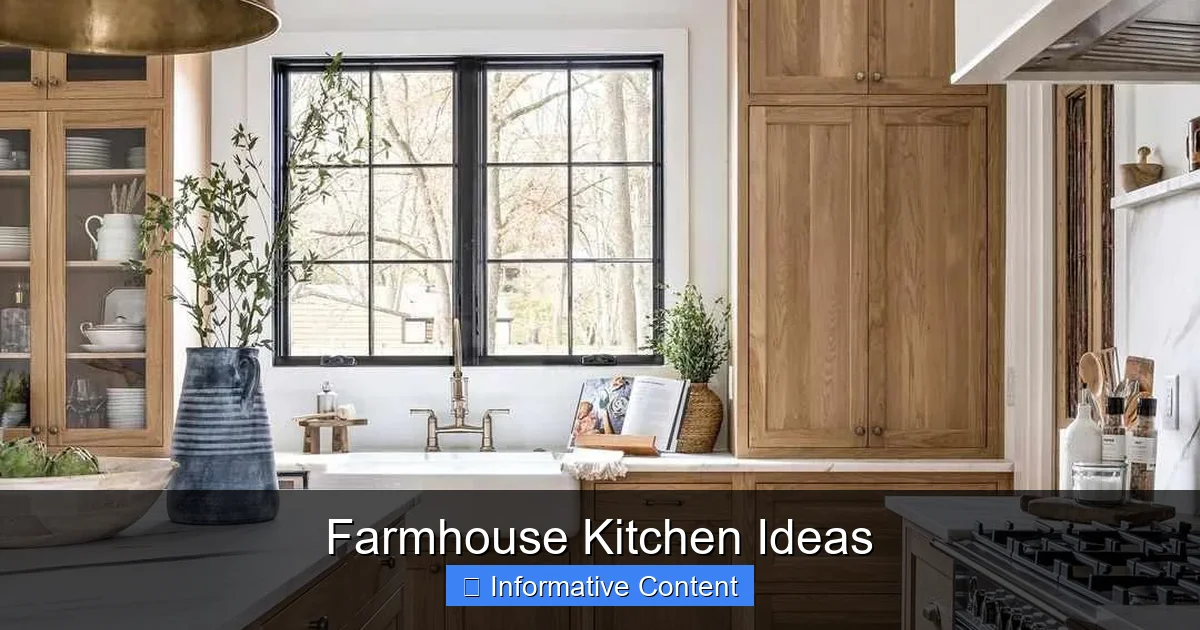
Visual guide about Farmhouse Kitchen Ideas
Image source: thespruce.com
At the heart of every farmhouse kitchen are a few signature elements that define the style. These aren’t just decorative touches—they’re functional features that have stood the test of time. Understanding these core components will help you create a space that feels authentic and cohesive.
Shaker-Style Cabinets
One of the most recognizable features of farmhouse kitchen ideas is the use of shaker-style cabinets. Known for their simple, five-piece door design with a recessed center panel, shaker cabinets offer clean lines and timeless appeal. They’re versatile enough to work with both painted finishes (like soft white or sage green) and natural wood stains.
Why are they so popular? Shaker cabinets strike the perfect balance between traditional and modern. They don’t overwhelm the space, yet they provide ample storage. Plus, their minimalist design makes them easy to pair with other farmhouse elements like open shelving or butcher block countertops.
When choosing cabinet colors, stick to soft, neutral tones. White is a classic choice, but warm grays, creamy off-whites, or even muted blues can add subtle personality without straying from the farmhouse vibe. For a more rustic look, consider painting lower cabinets in a deeper hue while keeping upper cabinets light to maintain brightness.
Farmhouse Sink
No farmhouse kitchen is complete without a farmhouse sink—also known as an apron-front sink. These deep, wide sinks extend slightly beyond the cabinetry, creating a bold, functional centerpiece. Originally designed for practicality (making it easier to wash large pots and pans), they’ve become a beloved design feature.
Farmhouse sinks are typically made from fireclay, cast iron, or stainless steel. Fireclay is a top choice for its durability and classic look, while stainless steel offers a more modern twist. The deep basin is perfect for soaking dishes, filling large stockpots, or even washing vegetables from your garden.
Installation is key—these sinks are heavy and require strong cabinet support. But the payoff is worth it: a sink that’s both beautiful and incredibly useful. Pair it with a gooseneck faucet in brushed nickel or oil-rubbed bronze for a cohesive, vintage-inspired look.
Open Shelving
Open shelving is a hallmark of farmhouse kitchen ideas, offering a way to display cherished dishes, mason jars, and everyday essentials without the visual weight of upper cabinets. It creates an open, airy feel and makes the kitchen feel more spacious—especially in smaller spaces.
Reclaimed wood shelves are a popular choice, adding warmth and character. You can also use painted wood or metal brackets for a more industrial touch. The key is to keep the display curated: mix functional items like plates and bowls with a few decorative pieces like vintage cookbooks or ceramic canisters.
One tip? Use open shelving strategically. Replace upper cabinets on one wall, or install shelves above the sink or stove. This breaks up the monotony of full cabinetry while keeping the space feeling balanced. And don’t forget to anchor the shelves with sturdy brackets—safety first!
Neutral Color Palette
Farmhouse kitchens thrive on a soft, neutral color palette. Think whites, creams, warm grays, and soft beiges. These colors reflect light, making the space feel bright and welcoming—even on cloudy days.
White is the most popular choice, especially for walls and cabinets. It pairs beautifully with natural wood tones and adds a clean, fresh feel. But don’t be afraid to introduce subtle variations. A warm white with yellow or gray undertones can feel cozier than stark pure white.
Accent colors should be used sparingly. Sage green, dusty blue, or muted terracotta can add personality without overwhelming the space. These hues work well on islands, backsplashes, or even a single accent wall.
The goal is to create a calm, cohesive environment where every element feels intentional. Neutral colors also make it easier to update decor over time—swap out textiles or accessories seasonally without needing a full redesign.
Materials and Textures That Define the Farmhouse Look
Farmhouse kitchen ideas celebrate natural materials and textures. It’s not just about how things look—it’s about how they feel. The tactile quality of wood, stone, and metal adds depth and authenticity to the space.
Reclaimed Wood
Reclaimed wood is a cornerstone of farmhouse design. Whether used for flooring, ceiling beams, or open shelving, it brings history and character into the kitchen. Each plank tells a story, with knots, nail holes, and weathering that can’t be replicated.
You can use reclaimed wood for a kitchen island, a range hood surround, or even a full wall accent. It pairs beautifully with painted cabinets and stone countertops, creating a balanced mix of textures.
If full reclaimed wood isn’t in your budget, consider using it selectively. A single beam above the stove or a wood-paneled backsplash can make a big impact. Just make sure to seal the wood properly to protect it from moisture and wear.
Butcher Block Countertops
Butcher block countertops are a classic choice for farmhouse kitchens. Made from solid wood strips glued together, they offer a warm, organic surface that’s perfect for food prep. Maple, walnut, and oak are popular choices, each bringing its own grain pattern and color.
One advantage of butcher block is its repairability. Scratches and dents can be sanded out, making it a durable option for busy kitchens. It’s also naturally antibacterial when properly maintained.
Use butcher block on the kitchen island for a functional prep area, or extend it to a breakfast bar for casual dining. Pair it with a stone or quartz countertop on other surfaces to balance warmth with durability.
Stone and Tile Accents
Stone adds a touch of elegance and permanence to farmhouse kitchens. Natural stone countertops like soapstone or marble offer a timeless look, while subway tile backsplashes in white or gray provide a clean, classic backdrop.
Subway tiles are a farmhouse favorite—simple, affordable, and endlessly versatile. Install them in a traditional offset pattern or try a herringbone layout for added interest. For a more rustic feel, consider handmade or textured tiles.
Stone flooring, such as slate or flagstone, can also enhance the farmhouse vibe. It’s durable, easy to clean, and adds a grounding element to the space. If real stone isn’t practical, porcelain tiles that mimic stone are a great alternative.
Lighting and Fixtures for a Cozy Atmosphere
Lighting plays a crucial role in setting the mood of a farmhouse kitchen. The right fixtures can enhance the rustic charm while providing functional illumination for cooking and dining.
Pendant Lights
Pendant lights are a must-have in farmhouse kitchen ideas. Hang them above the island, sink, or dining table to create focal points and add visual interest. Look for fixtures with industrial, vintage, or farmhouse-inspired designs.
Popular styles include metal cage pendants, glass globe lights, and lantern-style fixtures. Brushed nickel, oil-rubbed bronze, and matte black finishes complement the warm tones of wood and stone.
For a cohesive look, use matching pendants in a row above the island. Alternatively, mix and match styles for a more eclectic feel—just keep the finishes consistent.
Chandeliers and Flush Mounts
A rustic chandelier can serve as a stunning centerpiece in a farmhouse kitchen. Look for designs with wrought iron, wood accents, or Edison bulbs for a vintage touch. Hang it over a farmhouse table or in the center of the room for a cozy, inviting glow.
Flush mount lights are ideal for lower ceilings or areas where pendants aren’t practical. Choose fixtures with metal shades or frosted glass to maintain the farmhouse aesthetic.
Under-Cabinet Lighting
Under-cabinet lighting is both functional and decorative. It illuminates countertops for food prep while adding a soft glow that enhances the room’s ambiance. LED strips are energy-efficient and easy to install, often with dimmable options.
For a farmhouse feel, choose warm white lighting (around 2700K–3000K) to mimic the glow of candlelight. This creates a welcoming atmosphere, especially in the evenings.
Functional Layouts and Smart Storage
While farmhouse kitchens are known for their charm, they’re also designed for real life. A well-planned layout ensures efficiency and comfort, making daily tasks easier and more enjoyable.
The Work Triangle
The classic work triangle—connecting the sink, stove, and refrigerator—remains a cornerstone of kitchen design. In farmhouse kitchens, this layout is often enhanced with an island that serves as a prep station, storage hub, and casual dining area.
Position the sink under a window for natural light and a view. Place the stove near the range hood, and keep the refrigerator accessible but out of the main traffic flow. This creates a smooth workflow, even during busy meal prep.
Smart Storage Solutions
Farmhouse kitchens may look simple, but they’re packed with clever storage ideas. Deep drawers for pots and pans, pull-out spice racks, and corner lazy Susans maximize space and keep clutter at bay.
Consider adding a pantry cabinet or a freestanding pantry unit for extra storage. Open bins or baskets can hold frequently used items like onions, potatoes, or bread, adding to the rustic charm.
For a true farmhouse feel, incorporate vintage-style hardware. Cup pulls, bin pulls, and wrought iron handles on cabinets and drawers add character and are often more ergonomic than modern alternatives.
Island Design
A kitchen island is a game-changer in farmhouse kitchens. It provides extra counter space, seating, and storage. Choose a design that complements the overall style—wooden legs, shaker-style panels, or a butcher block top.
Add bar stools with woven seats or wrought iron frames for a cozy seating area. This creates a natural gathering spot for family and friends, reinforcing the kitchen’s role as the heart of the home.
Decor and Accessories to Complete the Look
The final touches bring farmhouse kitchen ideas to life. Thoughtful decor and accessories add personality and warmth, making the space feel truly lived-in.
Vintage and Handmade Items
Incorporate vintage finds like enamelware, cast iron skillets, or antique scales. These items add history and charm, and many are still functional.
Handmade ceramics, woven baskets, and linen textiles also enhance the farmhouse vibe. Use them for storage, display, or as part of your daily routine.
Textiles and Window Treatments
Soft textiles make a big difference. Hang simple cotton curtains in white or natural linen. Add a runner or placemats in gingham or ticking stripe patterns for a classic touch.
Towels, oven mitts, and aprons in coordinating fabrics complete the look. Choose durable, absorbent materials that can handle daily use.
Greenery and Natural Elements
Bring the outdoors in with potted herbs, fresh flowers, or a small indoor plant. A windowsill herb garden is both practical and beautiful, adding color and fragrance to the kitchen.
Wooden cutting boards, stone mortar and pestle sets, and woven trivets also add natural texture and functionality.
Conclusion
Farmhouse kitchen ideas offer a perfect blend of charm, comfort, and practicality. By combining timeless elements like shaker cabinets, farmhouse sinks, and open shelving with natural materials and warm lighting, you can create a space that feels both inviting and functional.
Whether you’re starting from scratch or updating your current kitchen, the farmhouse style is adaptable and enduring. It celebrates simplicity, embraces imperfections, and turns everyday moments into something special. With thoughtful design and personal touches, your farmhouse kitchen can become the true heart of your home.
Frequently Asked Questions
What is the best flooring for a farmhouse kitchen?
Wide-plank hardwood, reclaimed wood, or stone tiles are ideal. They add warmth and texture while standing up to daily wear and tear.
Can I mix farmhouse and modern elements?
Yes! Many homeowners blend farmhouse charm with modern appliances and minimalist design for a fresh, updated look.
How do I prevent my farmhouse kitchen from looking too cluttered?
Use open shelving sparingly and keep displays curated. Balance open storage with closed cabinets to maintain a clean, organized feel.
Are farmhouse kitchens outdated?
Not at all. While rooted in tradition, farmhouse kitchen ideas continue to evolve, incorporating modern materials and smart design for today’s homes.
What type of countertop works best?
Butcher block, soapstone, and quartz are popular choices. Each offers durability and complements the natural, warm aesthetic of farmhouse design.
How important is lighting in a farmhouse kitchen?
Very important. Proper lighting enhances the cozy atmosphere and ensures functionality. Pendant lights, under-cabinet lighting, and chandeliers are key components.