
Struggling to eat healthy during the week? These 10 make-ahead meals for the week are your secret weapon. From hearty breakfasts to satisfying dinners, each recipe is designed to save time, cut down on daily cooking, and keep your fridge full of delicious options.
Key Takeaways
- Save time and reduce stress: Preparing meals in advance means fewer decisions and less cooking during busy weekdays.
- Improve eating habits: Having healthy meals ready helps you avoid takeout and impulsive snacking.
- Customize to your taste: These recipes are flexible—swap ingredients based on dietary needs or preferences.
- Use affordable ingredients: Most make-ahead meals rely on pantry staples and seasonal produce, keeping costs low.
- Maximize freshness: Proper storage techniques ensure meals stay tasty and safe to eat for days.
- Boost energy and focus: Eating balanced, home-cooked meals supports better energy levels and mental clarity.
- Perfect for meal prepping beginners: These recipes are simple, repeatable, and require minimal kitchen skills.
Quick Answers to Common Questions
Can I freeze all make-ahead meals?
Not all meals freeze well. Soups, stews, casseroles, and baked dishes freeze beautifully, but salads and crunchy vegetables lose texture. Plan accordingly and store fresh meals in the fridge.
How long do make-ahead meals last in the fridge?
Most cooked meals stay fresh for 3–5 days when stored properly in airtight containers. Always check for signs of spoilage like odd smells or slimy textures.
Do I need special containers for meal prepping?
While not required, airtight, BPA-free containers—especially glass ones—help maintain freshness and prevent leaks. Labeling containers with dates is also helpful.
Can I reheat make-ahead meals in the microwave?
Yes, most meals reheat well in the microwave. Stir halfway through and add a splash of water or broth to prevent drying out. Ensure food reaches 165°F internally.
Are make-ahead meals suitable for weight loss?
Absolutely. Pre-portioned meals help control calorie intake and reduce impulsive eating. Focus on balanced meals with protein, fiber, and healthy fats for best results.
📑 Table of Contents
Why Make-Ahead Meals Are a Game Changer
Let’s face it—weekdays are chaotic. Between work, school, errands, and family time, finding the energy (or time) to cook a healthy meal can feel impossible. That’s where make-ahead meals for the week come in. These are dishes you prepare in advance, store properly, and reheat or assemble quickly when hunger strikes. Think of them as your personal meal prep superheroes.
The beauty of make-ahead meals isn’t just convenience—it’s consistency. When you have nutritious options ready to go, you’re far less likely to reach for fast food or processed snacks. Plus, planning meals ahead helps you eat more vegetables, lean proteins, and whole grains. It’s a win for your health, your wallet, and your sanity.
Whether you’re a busy parent, a working professional, or just someone who hates washing dishes every night, these 10 make-ahead meals are designed to fit seamlessly into your life. From breakfast to dinner (and even snacks!), we’ve got you covered with recipes that are simple, satisfying, and built to last.
How to Get Started with Make-Ahead Meals
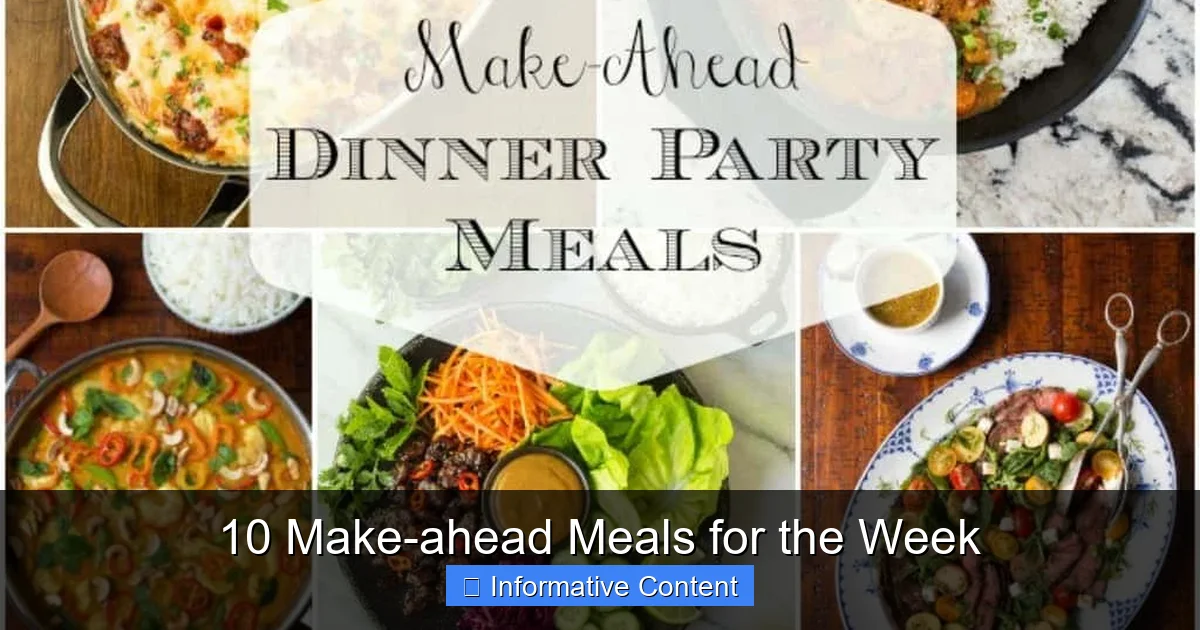
Visual guide about 10 Make-ahead Meals for the Week
Image source: thecafesucrefarine.com
Before diving into the recipes, it’s important to understand the basics of successful meal prepping. The goal isn’t to spend your entire Sunday in the kitchen—it’s to work smarter, not harder.
Choose the Right Day
Most people find that Sunday is the best day for meal prep. It gives you a fresh start to the week and allows you to cook while you’re still relaxed. But if Sunday doesn’t work, pick a day that fits your schedule—maybe Saturday evening or even Friday night.
Invest in Quality Containers
Good storage is key. Use airtight, BPA-free containers in various sizes. Glass containers are ideal because they don’t absorb odors and are microwave-safe. Label each container with the meal name and date so you know what’s inside and how long it’s been stored.
Plan Your Menu
Start by listing the meals you want to prep. Aim for variety—rotate proteins, grains, and vegetables to keep things interesting. For example, one week you might focus on chicken and quinoa, the next on beans and sweet potatoes.
Cook in Batches
Cook large portions of staples like rice, roasted vegetables, or grilled chicken. These can be mixed and matched throughout the week. For instance, roasted broccoli can go into a grain bowl one day and a frittata the next.
Know What Freezes Well
Not all meals freeze equally. Soups, stews, casseroles, and baked pasta dishes freeze beautifully. Fresh salads and crunchy vegetables? Not so much. Plan accordingly—make freezer-friendly meals for longer storage and fresh meals for the first few days of the week.
10 Make-Ahead Meals for the Week
Now, let’s get to the good stuff. Here are 10 delicious, easy-to-make meals that will keep you fueled and satisfied all week long.
1. Overnight Oats with Berries and Almond Butter
Overnight oats are the ultimate grab-and-go breakfast. Simply combine rolled oats, milk (dairy or plant-based), chia seeds, a touch of honey, and your favorite toppings in a jar. Let it sit in the fridge overnight, and you’ll wake up to a creamy, satisfying breakfast.
Why it works: No cooking required. The oats soften in the fridge, and the flavors meld beautifully. Plus, you can make 4–5 jars at once.
Pro tip: Layer the ingredients for a pretty presentation. Add fresh berries, sliced banana, or a drizzle of almond butter on top before serving.
2. Mason Jar Salads
Mason jar salads are a fun and practical way to keep greens crisp. Start with dressing at the bottom, then add hearty ingredients like beans, carrots, and cucumbers, followed by grains and proteins. Top with delicate greens just before eating.
Why it works: The layers prevent sogginess. Shake the jar to mix, and you’ve got a fresh salad in seconds.
Pro tip: Use wide-mouth jars for easy access. Store upright in the fridge and consume within 3–4 days.
3. Sheet Pan Chicken and Vegetables
Toss chicken breasts or thighs with chopped vegetables (like bell peppers, zucchini, and red onion) on a sheet pan. Drizzle with olive oil, garlic, and herbs. Roast at 400°F for 25–30 minutes.
Why it works: One pan, minimal cleanup. Portion into containers and pair with rice or quinoa for a complete meal.
Pro tip: Use a meat thermometer to ensure chicken reaches 165°F. Leftovers reheat beautifully in the microwave or oven.
4. Lentil and Vegetable Soup
Lentils are a powerhouse of protein and fiber. Simmer them with carrots, celery, tomatoes, and spices for a hearty soup that gets better with time.
Why it works: Freezes well and tastes even better the next day. Make a big batch and freeze half for future weeks.
Pro tip: Add a splash of lemon juice or vinegar before serving to brighten the flavors.
5. Breakfast Burrito Bowls
Scramble eggs or tofu with black beans, corn, diced tomatoes, and spinach. Serve over brown rice or quinoa. Top with avocado, salsa, or hot sauce.
Why it works: High in protein and fiber, these bowls keep you full for hours. Assemble in containers and reheat for a quick breakfast or lunch.
Pro tip: Add cooked sweet potato cubes for extra sweetness and nutrients.
6. Quinoa Power Bowls
Cook quinoa and top with roasted chickpeas, shredded kale, cherry tomatoes, cucumber, and a tahini dressing. These bowls are colorful, nutritious, and customizable.
Why it works: Quinoa is a complete protein and holds up well in the fridge. The dressing can be made ahead and stored separately.
Pro tip: Massage the kale with a little olive oil before adding to soften it and improve texture.
7. Baked Ziti with Marinara and Spinach
Layer cooked ziti pasta with marinara sauce, ricotta, mozzarella, and fresh spinach in a baking dish. Bake until bubbly and golden.
Why it works: A comforting, family-friendly dinner that freezes and reheats perfectly. Great for busy weeknights.
Pro tip: Use whole wheat pasta for extra fiber. Add cooked ground turkey or lentils for more protein.
8. Egg Muffins with Veggies
Whisk eggs with diced bell peppers, onions, spinach, and cheese. Pour into a greased muffin tin and bake at 350°F for 18–20 minutes.
Why it works: Portable, protein-rich, and perfect for breakfast or a snack. Store in the fridge for up to 5 days or freeze for longer storage.
Pro tip: Use silicone muffin cups for easy removal. Add cooked bacon, sausage, or mushrooms for variety.
9. Thai Peanut Noodle Bowls
Cook rice noodles and toss with a homemade peanut sauce (peanut butter, soy sauce, lime juice, garlic, and a touch of honey). Add shredded carrots, edamame, and chopped cilantro.
Why it works: Bright, flavorful, and satisfying. The sauce can be made ahead and stored in the fridge.
Pro tip: Add grilled chicken or tofu for extra protein. Serve cold or at room temperature for a refreshing lunch.
10. Stuffed Bell Peppers
Cut the tops off bell peppers and remove seeds. Stuff with a mixture of cooked ground turkey, quinoa, black beans, corn, and diced tomatoes. Bake at 375°F for 30–35 minutes.
Why it works: Nutritious, colorful, and freezer-friendly. Great for dinner or lunch the next day.
Pro tip: Top with cheese during the last 5 minutes of baking for a golden crust. Serve with a side of Greek yogurt or salsa.
Tips for Storing and Reheating Make-Ahead Meals
Even the best meals can go bad if not stored properly. Follow these guidelines to keep your food safe and tasty.
Refrigeration Basics
Store meals in the fridge within two hours of cooking. Most cooked meals stay fresh for 3–5 days. Use clear containers so you can see what’s inside.
Freezing for Longevity
Freeze meals in portion-sized containers. Label with the date and contents. Most meals freeze well for up to 3 months. Thaw in the fridge overnight before reheating.
Reheating Safely
Reheat meals to an internal temperature of 165°F. Use the microwave, oven, or stovetop. Add a splash of water or broth to prevent drying out.
Avoiding Sogginess
Keep wet ingredients (like dressings or sauces) separate until ready to eat. Use paper towels between layers of food to absorb excess moisture.
How to Customize Make-Ahead Meals
One of the best things about make-ahead meals is their flexibility. You can tweak recipes to match your dietary needs, taste preferences, or what’s in your pantry.
Dietary Adjustments
– Vegan: Swap eggs for tofu, use plant-based milk, and choose vegan cheese.
– Gluten-free: Use gluten-free pasta, tamari instead of soy sauce, and certified gluten-free oats.
– Low-carb: Replace grains with cauliflower rice or zucchini noodles.
Seasonal Swaps
Use what’s in season to keep meals fresh and affordable. In summer, add zucchini, tomatoes, and berries. In winter, go for squash, kale, and root vegetables.
Flavor Boosters
Add herbs, spices, citrus zest, or hot sauce to keep meals exciting. A sprinkle of fresh basil or a squeeze of lime can transform a dish.
Common Mistakes to Avoid
Even experienced meal preppers make mistakes. Here’s how to avoid the most common pitfalls.
Overcomplicating Recipes
Stick to simple recipes with fewer ingredients. You don’t need fancy techniques—just good flavors and solid nutrition.
Ignoring Portion Sizes
Use a food scale or measuring cups to portion meals evenly. This helps with portion control and ensures you have enough for the week.
Not Planning for Variety
Eating the same thing every day gets boring. Rotate proteins, grains, and vegetables to keep meals interesting.
Skipping the Taste Test
Taste your meals before storing them. Adjust seasoning if needed. A bland meal won’t stay appealing for long.
Conclusion
Make-ahead meals for the week aren’t just a trend—they’re a lifestyle upgrade. By spending a few hours prepping, you gain back precious time, reduce stress, and make healthier choices effortlessly. These 10 recipes are just the beginning. Once you get the hang of it, you’ll start creating your own versions, experimenting with flavors, and building a meal prep routine that works for you.
Start small. Pick one or two recipes to try this week. See how it feels to open the fridge and find a delicious, homemade meal waiting for you. Over time, you’ll wonder how you ever lived without it.
Remember, the goal isn’t perfection—it’s progress. Every meal you prep is a step toward a healthier, more balanced life. So grab your containers, fire up the stove, and get cooking. Your future self will thank you.
Frequently Asked Questions
What are make-ahead meals?
Make-ahead meals are dishes prepared in advance and stored for later consumption. They’re designed to save time during busy weekdays and support healthier eating habits.
How do I prevent my meals from getting soggy?
Store wet ingredients like dressings separately. Use paper towels between layers and choose sturdy vegetables like carrots or bell peppers that hold up well.
Can I make meals ahead for the whole week?
Yes, but prioritize meals that store well. Soups, grain bowls, and casseroles last longer than salads. Mix fresh and frozen meals for variety and freshness.
Are make-ahead meals expensive?
Not necessarily. Using pantry staples, seasonal produce, and batch cooking helps keep costs low. You’ll also save money by avoiding takeout.
What if I don’t have time to cook on Sunday?
Try prepping on Saturday evening or even Friday night. You can also prep components (like grains or proteins) and assemble meals throughout the week.
Can kids eat make-ahead meals?
Yes! Many recipes are family-friendly. Adjust seasoning and spice levels to suit younger palates. Involve kids in the prep process to make it fun.