
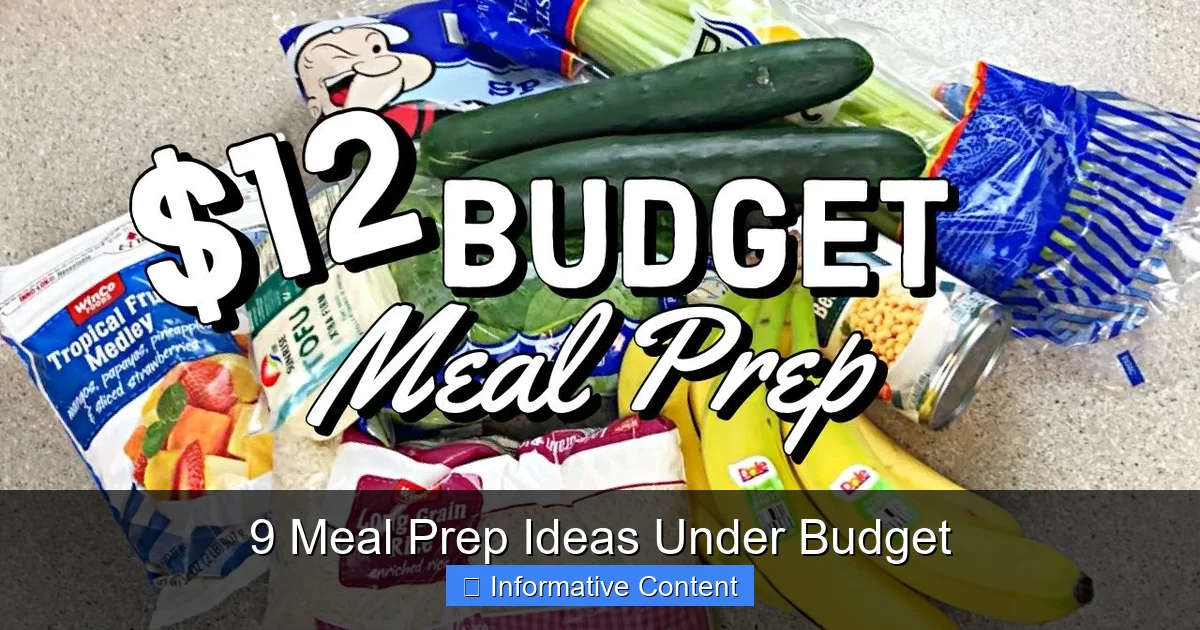
Struggling to eat healthy on a tight budget? These 9 meal prep ideas under budget prove you don’t need fancy ingredients or hours in the kitchen to eat well. From hearty grain bowls to freezer-friendly soups, each recipe is simple, affordable, and packed with flavor—so you can save money and still enjoy nutritious meals all week long.
Key Takeaways
- Plan ahead to avoid impulse buys: A weekly meal plan reduces food waste and keeps grocery spending low.
- Buy in bulk when possible: Staples like rice, beans, and oats cost less per serving when purchased in larger quantities.
- Use versatile base ingredients: Cook once, eat multiple times—think roasted veggies or grilled chicken used across meals.
- Frozen and canned produce are budget-friendly: They’re just as nutritious as fresh and last longer, reducing spoilage.
- Repurpose leftovers creatively: Turn last night’s dinner into tomorrow’s lunch with simple swaps or additions.
- Batch cooking saves time and money: Cooking large portions at once cuts down on energy use and grocery trips.
- Simple doesn’t mean boring: With smart seasoning and combinations, budget meals can be delicious and satisfying.
Quick Answers to Common Questions
Can I freeze these meal prep ideas?
Yes! Most of these recipes freeze well, including soups, grain bowls, and egg muffins. Store in airtight containers and label with the date. Thaw in the fridge overnight before reheating.
How long do these meals last in the fridge?
Most meal prep recipes stay fresh for 4–5 days in the fridge. Soups and stews may last up to a week. Always use clean containers and check for spoilage before eating.
What if I don’t have time to cook every Sunday?
Try “mini prep”—spend 15–20 minutes chopping veggies or cooking grains during the week. Or double a recipe one night and save half for later.
Are these meals kid-friendly?
Absolutely! Many of these recipes, like quesadillas, burrito bowls, and pasta, are loved by kids. Let them help assemble meals for fun.
Can I make these vegetarian or vegan?
Yes! Most recipes are naturally vegetarian, and many can be made vegan by skipping cheese or using plant-based substitutes.
📑 Table of Contents
- Why Meal Prep on a Budget Matters
- 1. Hearty Lentil and Vegetable Soup
- 2. Overnight Oats with Frozen Fruit
- 3. Baked Chicken and Roasted Veggies
- 4. Black Bean and Rice Burrito Bowls
- 5. Egg and Veggie Muffins
- 6. Pasta with Marinara and White Beans
- 7. Tofu and Veggie Stir-Fry
- 8. Sweet Potato and Black Bean Quesadillas
- 9. Chopped Grain Salad with Chickpeas
- Tips for Stretching Your Meal Prep Budget
- Final Thoughts
Why Meal Prep on a Budget Matters
Let’s be honest—eating healthy can feel expensive. Between rising grocery prices and the convenience of takeout, it’s easy to fall into the trap of overspending or skipping meals altogether. But what if you could eat well, save money, and still have time for everything else on your plate? That’s where meal prep comes in.
Meal prepping isn’t just for fitness fanatics or Instagram influencers. It’s a practical, no-nonsense strategy that helps you take control of your diet, your wallet, and your schedule. When you plan and prepare meals in advance, you’re less likely to grab expensive convenience foods or order delivery when hunger strikes. Plus, cooking at home almost always costs less than eating out—even when you factor in ingredients and time.
But here’s the real secret: meal prep doesn’t have to be complicated or costly. With a few smart strategies and some creativity, you can build a weekly menu that’s both nutritious and kind to your budget. The key is focusing on affordable, nutrient-dense ingredients that stretch across multiple meals. Think beans, lentils, eggs, whole grains, seasonal vegetables, and frozen fruits. These staples are not only cheap but also incredibly versatile.
In this guide, we’ll walk you through 9 meal prep ideas under budget that are easy to make, delicious to eat, and designed to keep your grocery bill low. Whether you’re a college student, a busy parent, or just someone trying to eat better without overspending, these ideas will help you build a sustainable, budget-friendly meal routine.
1. Hearty Lentil and Vegetable Soup
Visual guide about 9 Meal Prep Ideas Under Budget
Image source: thebrandedbucks.com
Soups are a meal prep dream—especially when they’re made with budget-friendly ingredients like lentils and frozen vegetables. This lentil and vegetable soup is packed with protein, fiber, and flavor, and it costs just pennies per serving.
Why It’s Budget-Friendly
Lentils are one of the cheapest sources of plant-based protein you can buy. A one-pound bag typically costs under $2 and yields multiple servings. Pair them with frozen mixed vegetables (carrots, peas, corn, green beans), onion, garlic, and basic pantry staples like canned tomatoes and broth, and you’ve got a nutritious, filling soup for under $10 total.
How to Prep It
Start by sautéing diced onion and minced garlic in a large pot with a little oil. Add rinsed lentils, frozen vegetables, canned diced tomatoes (with juice), vegetable or chicken broth, and seasonings like cumin, paprika, salt, and pepper. Bring to a boil, then reduce heat and simmer for 25–30 minutes until lentils are tender. That’s it!
Let the soup cool, then divide it into individual containers. It keeps well in the fridge for up to 5 days or in the freezer for up to 3 months. Reheat on the stove or in the microwave for a quick, satisfying meal.
Pro Tips
- Use low-sodium broth to control salt levels and save money (store brands are often cheaper).
- Add a splash of lemon juice or vinegar before serving to brighten the flavor.
- Serve with a slice of whole-grain bread or a small side salad for a complete meal.
This soup is perfect for cold days, busy workweeks, or when you just need something warm and comforting without the cost of takeout.
2. Overnight Oats with Frozen Fruit
Breakfast is often the most rushed meal of the day—and the most expensive if you’re grabbing coffee and a pastry on the go. Overnight oats are a game-changer. They’re no-cook, ready when you wake up, and cost just a few cents per serving.
Why It’s Budget-Friendly
Rolled oats are incredibly cheap, especially when bought in bulk. A large container can last weeks and cost less than $5. Pair them with milk (dairy or plant-based), a sweetener like honey or maple syrup, and frozen fruit, and you’ve got a balanced breakfast that’s both affordable and delicious.
How to Prep It
In a jar or container, combine ½ cup rolled oats, ½ cup milk, 1 tablespoon chia seeds (optional but great for texture and nutrition), 1 teaspoon sweetener, and a pinch of cinnamon. Stir well, seal, and refrigerate overnight. In the morning, top with frozen berries, banana slices, or a spoonful of peanut butter.
You can make 4–5 jars at once and customize each one. Try different flavor combos like apple-cinnamon, blueberry-vanilla, or banana-peanut butter.
Pro Tips
- Use frozen fruit instead of fresh—it’s cheaper, lasts longer, and thaws perfectly in the oats.
- If you’re watching sugar, skip the sweetener and let the fruit provide natural sweetness.
- Add a scoop of protein powder or Greek yogurt for extra staying power.
Overnight oats are perfect for busy mornings, school lunches, or even a light dinner when you’re not in the mood to cook.
3. Baked Chicken and Roasted Veggies
Protein can be one of the most expensive parts of a meal, but it doesn’t have to be. Baking a batch of chicken breasts or thighs and pairing them with roasted vegetables is a simple, scalable way to get high-quality protein without overspending.
Why It’s Budget-Friendly
Chicken is often on sale, especially when bought in family packs or frozen. A 3–5 pound pack of boneless, skinless chicken breasts can cost as little as $1.50 per pound. Pair that with seasonal or frozen vegetables—like broccoli, carrots, zucchini, or sweet potatoes—and you’ve got a complete meal for under $15 total.
How to Prep It
Preheat your oven to 400°F (200°C). Season chicken with salt, pepper, garlic powder, and paprika. Place on a baking sheet. Chop vegetables into even pieces, toss with olive oil, salt, and pepper, and arrange around the chicken. Roast for 25–30 minutes, or until chicken is cooked through and veggies are tender.
Let cool, then portion into containers. You can eat this as-is, or repurpose it later—slice the chicken for salads, stir-fries, or wraps.
Pro Tips
- Buy chicken in bulk and freeze what you won’t use within a few days.
- Use a mix of fresh and frozen veggies to save money and reduce waste.
- Save the chicken bones to make homemade broth later—zero waste!
This meal is hearty, balanced, and perfect for lunch or dinner. Plus, it reheats beautifully.
4. Black Bean and Rice Burrito Bowls
Burrito bowls are a crowd-pleaser—and they’re incredibly budget-friendly when made at home. With just a few ingredients, you can create a flavorful, filling meal that’s packed with plant-based protein and fiber.
Why It’s Budget-Friendly
Canned black beans cost around $1 per can and are already cooked and ready to use. Brown or white rice is cheap in bulk, and a bag of frozen corn or bell peppers adds color and nutrition without the price tag of fresh produce. Add a dollop of salsa or plain Greek yogurt instead of sour cream, and you’ve got a complete meal for under $8 total.
How to Prep It
Cook a big batch of rice (use a rice cooker or instant pot for ease). Warm black beans with a little cumin, chili powder, and garlic. Assemble bowls with rice, beans, corn, diced tomatoes, shredded lettuce, and salsa. Top with a sprinkle of cheese or a spoonful of Greek yogurt if desired.
Store components separately in containers so they stay fresh. Assemble when ready to eat.
Pro Tips
- Use leftover rice from another meal to save time and money.
- Make your own salsa with canned tomatoes, onion, cilantro, and lime juice.
- Freeze extra beans and rice in portion-sized bags for future meals.
These bowls are great for lunch, dinner, or even breakfast with a fried egg on top.
5. Egg and Veggie Muffins
Egg muffins are like mini frittatas baked in a muffin tin—perfect for on-the-go breakfasts or snacks. They’re cheap, customizable, and can be made with whatever veggies you have on hand.
Why It’s Budget-Friendly
Eggs are one of the most affordable sources of high-quality protein. A dozen large eggs costs around $3–$4, and each muffin uses just one or two. Add in leftover veggies (spinach, bell peppers, onions, mushrooms), a little cheese, and seasonings, and you’ve got a nutritious meal for under $10.
How to Prep It
Preheat your oven to 375°F (190°C). Whisk 6–8 eggs with a splash of milk, salt, and pepper. Chop any veggies you have and divide them among a greased muffin tin. Pour the egg mixture over the veggies. Bake for 20–25 minutes, or until set.
Let cool, then store in the fridge for up to 5 days or freeze for longer storage. Reheat in the microwave for 1–2 minutes.
Pro Tips
- Use up leftover roasted vegetables or cooked grains (like quinoa) for extra flavor.
- Add a sprinkle of cheese for richness, but skip it to save money.
- Label and date frozen muffins so you know what’s inside.
These are perfect for busy mornings, post-workout snacks, or even a light dinner with a side salad.
6. Pasta with Marinara and White Beans
Pasta is a budget staple, but it can get boring fast. Give it a protein boost with white beans and a simple homemade marinara sauce for a meal that’s both filling and affordable.
Why It’s Budget-Friendly
Dried pasta costs pennies per serving, and canned white beans (like cannellini or great northern) are cheap and high in protein and fiber. Make your own marinara with canned tomatoes, garlic, onion, and herbs—it’s far cheaper than store-bought jars and tastes better too.
How to Prep It
Cook a large pot of pasta according to package instructions. While it’s cooking, sauté diced onion and garlic in olive oil. Add canned crushed tomatoes, dried basil, oregano, salt, and pepper. Simmer for 10–15 minutes. Stir in drained white beans and heat through.
Toss the cooked pasta with the sauce and beans. Serve with a sprinkle of Parmesan if desired.
Pro Tips
- Use whole wheat or legume-based pasta for extra nutrition.
- Freeze extra sauce in ice cube trays for quick future meals.
- Add frozen spinach or kale to the sauce for a veggie boost.
This dish is comforting, satisfying, and perfect for meal prep. Store in containers and reheat with a splash of water to prevent drying out.
7. Tofu and Veggie Stir-Fry
Tofu is a fantastic meat alternative that’s low in cost and high in protein. When paired with frozen stir-fry vegetables and a simple sauce, it makes a quick, healthy, and budget-friendly meal.
Why It’s Budget-Friendly
A block of firm tofu costs around $2–$3 and provides 4–6 servings. Frozen stir-fry veggie blends are often cheaper than fresh and come pre-chopped. Make your own sauce with soy sauce, garlic, ginger, and a sweetener like honey or maple syrup—no need for expensive bottled sauces.
How to Prep It
Press tofu to remove excess water (wrap in a towel and place a heavy pan on top for 15 minutes). Cut into cubes and pan-fry until golden. In the same pan, add frozen veggies and cook until heated through. Stir in the sauce and simmer for 2–3 minutes.
Serve over rice, quinoa, or noodles.
Pro Tips
- Use extra-firm tofu for best texture.
- Marinate tofu in the sauce for 30 minutes before cooking for extra flavor.
- Freeze leftover tofu in portions for future use.
This stir-fry is colorful, nutritious, and ready in under 20 minutes.
8. Sweet Potato and Black Bean Quesadillas
Quesadillas are quick, kid-friendly, and surprisingly healthy when made with the right ingredients. Sweet potatoes add natural sweetness and fiber, while black beans provide protein.
Why It’s Budget-Friendly
Sweet potatoes are inexpensive, especially when bought in bulk. Canned black beans and shredded cheese (buy in block form and shred yourself to save money) round out this meal. Use flour or corn tortillas—both are cheap and store well.
How to Prep It
Roast or microwave diced sweet potatoes until tender. Mash slightly and mix with drained black beans, cumin, chili powder, and a little cheese. Spread the mixture on a tortilla, top with another tortilla, and cook in a skillet until golden and cheese is melted.
Cut into wedges and serve with salsa or Greek yogurt.
Pro Tips
- Make a big batch and freeze uncooked quesadillas—just cook from frozen.
- Use leftover roasted sweet potatoes from another meal.
- Add spinach or kale to the filling for extra nutrients.
These quesadillas are great for lunch, dinner, or even a snack.
9. Chopped Grain Salad with Chickpeas
Grain salads are perfect for meal prep because they taste better as they sit. This chopped salad with chickpeas, veggies, and a simple vinaigrette is fresh, filling, and budget-friendly.
Why It’s Budget-Friendly
Cooked grains like quinoa, farro, or bulgur are cheap in bulk. Canned chickpeas add protein and cost under $1 per can. Use seasonal or frozen vegetables and make your own dressing with olive oil, lemon juice, and herbs.
How to Prep It
Cook a batch of grain and let cool. Chop cucumber, bell pepper, red onion, and cherry tomatoes. Mix with drained chickpeas and grain. Whisk together olive oil, lemon juice, garlic, salt, and pepper for the dressing. Toss and refrigerate.
Pro Tips
- Add fresh herbs like parsley or cilantro for brightness.
- Store dressing separately to prevent sogginess.
- Top with a boiled egg or feta cheese for extra protein.
This salad is perfect for lunch, picnics, or as a side dish.
Tips for Stretching Your Meal Prep Budget
Even with these affordable recipes, a few extra strategies can help you save even more:
- Shop sales and use coupons: Check weekly flyers and apps like Flipp or Ibotta for deals on staples.
- Buy store brands: They’re often 20–30% cheaper than name brands and just as good.
- Cook in batches: Double recipes and freeze half for later.
- Use what you have: Before shopping, check your pantry and fridge to avoid duplicates.
- Limit meat: Use it as a flavor enhancer rather than the main ingredient.
Final Thoughts
Eating well on a budget isn’t about sacrifice—it’s about smart choices. These 9 meal prep ideas under budget prove that healthy, delicious food can be affordable, simple, and sustainable. With a little planning and creativity, you can feed yourself and your family well without overspending.
Start small. Pick one or two recipes to try this week. See how much time and money you save. Then build from there. Over time, meal prepping will become second nature—and your wallet (and waistline) will thank you.
Frequently Asked Questions
How much can I save by meal prepping?
On average, people save 20–30% on groceries by meal prepping. You’ll also save money by reducing takeout and food waste, which can add up to hundreds per year.
Do I need special containers for meal prep?
No, but airtight, BPA-free containers help keep food fresh. Glass or durable plastic containers with lids work best for fridge and freezer storage.
What are the best budget-friendly pantry staples?
Stock up on rice, beans, lentils, oats, pasta, canned tomatoes, spices, and frozen vegetables. These form the base of many affordable meals.
Can I meal prep with a slow cooker?
Yes! Soups, stews, and beans are perfect for slow cookers. They save time and energy, and many recipes can be made in large batches.
How do I avoid meal prep burnout?
Rotate recipes, keep meals simple, and involve family members in planning. Don’t aim for perfection—consistency matters more than variety.
Is frozen food really as healthy as fresh?
Yes! Frozen fruits and vegetables are flash-frozen at peak ripeness, locking in nutrients. They’re often cheaper and last longer than fresh options.