
Struggling to eat well during busy weeks? These 5 quick meal planning ideas will help you save time, cut down on food waste, and enjoy delicious, nutritious meals without the daily stress. From batch cooking to theme nights, these strategies are easy to implement and perfect for any lifestyle.
Key Takeaways
- Batch cooking saves time and effort: Prepare large portions of staples like grains, proteins, and roasted veggies to mix and match throughout the week.
- Theme nights simplify decision-making: Assigning days to specific cuisines (e.g., Meatless Monday, Taco Tuesday) reduces planning fatigue and adds fun variety.
- Use a weekly meal template: A simple framework with breakfast, lunch, dinner, and snacks helps you stay consistent without overthinking.
- Prep ingredients, not full meals: Chopping veggies, marinating proteins, and cooking grains ahead of time speeds up weeknight cooking.
- Keep a rotating “go-to” recipe list: Build a collection of 10–15 favorite quick recipes to pull from when inspiration runs low.
- Leverage leftovers creatively: Turn last night’s dinner into tomorrow’s lunch or a new dish with a few tweaks.
- Involve the family in planning: Get input from household members to increase buy-in and reduce last-minute resistance.
Quick Answers to Common Questions
What is the easiest meal planning idea for beginners?
Theme nights are the easiest for beginners because they reduce decision fatigue and add fun structure. Just assign a cuisine or dish type to each day (e.g., Taco Tuesday) and build your meals around it.
How long does batch cooking take?
Batch cooking typically takes 60–90 minutes on a weekend day. You’re preparing staples like grains, proteins, and roasted veggies that can be used in multiple meals throughout the week.
Can I meal plan if I have a small kitchen?
Absolutely! Focus on ingredient prep and one-pot meals. Use sheet pans, slow cookers, or instant pots to maximize space and minimize cleanup.
How do I avoid food waste when meal planning?
Plan meals that use overlapping ingredients, store food properly, and repurpose leftovers creatively. For example, turn roasted chicken into a salad or soup the next day.
What if my family doesn’t like the planned meals?
Involve them in the planning process! Let each person pick a meal or theme night once a week. This increases buy-in and ensures everyone enjoys the food.
📑 Table of Contents
- Why Meal Planning Matters—And Why It Doesn’t Have to Be Hard
- Idea #1: Embrace Batch Cooking for Maximum Efficiency
- Idea #2: Try Theme Nights to Simplify Decision-Making
- Idea #3: Use a Weekly Meal Template
- Idea #4: Prep Ingredients, Not Full Meals
- Idea #5: Build a “Go-To” Recipe Rotation
- Bonus Tips for Successful Meal Planning
- Conclusion: Make Meal Planning Work for You
Why Meal Planning Matters—And Why It Doesn’t Have to Be Hard
Let’s be honest: life gets busy. Between work, school, errands, and family time, the last thing most of us want to do at the end of a long day is figure out what to cook for dinner. That’s where meal planning comes in—not as a rigid, time-consuming chore, but as a smart, flexible strategy to make eating well easier, cheaper, and less stressful.
Meal planning isn’t about spending hours in the kitchen every Sunday or eating the same bland meals all week. It’s about creating a simple system that works for *you*. Whether you’re a parent juggling pick-up schedules, a student on a tight budget, or a professional with back-to-back meetings, having a plan means fewer “what’s for dinner?” panics, fewer last-minute takeout orders, and more balanced, home-cooked meals.
The best part? You don’t need to be a chef or a spreadsheet wizard to do it. With just a few quick meal planning ideas, you can set yourself up for success—without sacrificing flavor, variety, or your sanity. In this guide, we’ll walk through five practical, no-fuss strategies that take the guesswork out of eating well. These aren’t rigid rules—they’re flexible tools you can adapt to fit your lifestyle, taste preferences, and schedule.
Idea #1: Embrace Batch Cooking for Maximum Efficiency
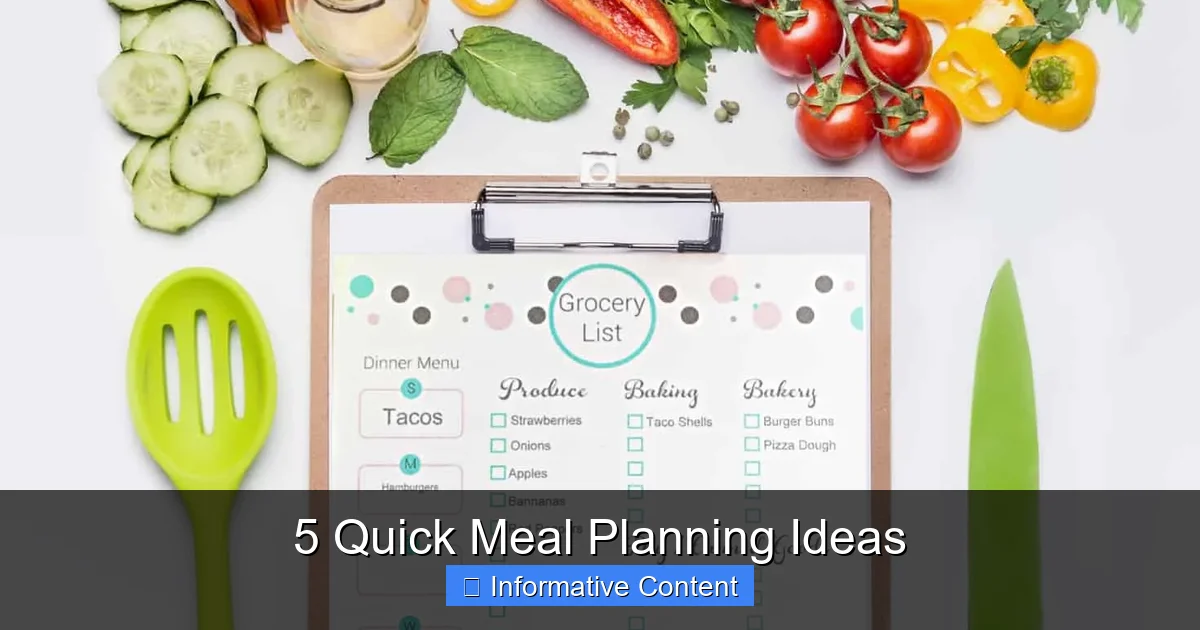
Visual guide about 5 Quick Meal Planning Ideas
Image source: realcreativerealorganized.com
One of the most effective quick meal planning ideas is batch cooking—preparing large quantities of key ingredients or full meals in advance so you can assemble dishes quickly during the week. Think of it as meal prep lite: you’re not making seven different meals, just a few versatile components that can be mixed and matched.
What to Batch Cook
Start with staples that form the foundation of many meals:
– Grains: Cook a big batch of brown rice, quinoa, or farro. These can be used in bowls, salads, stir-fries, or as a side.
– Proteins: Grill or bake chicken breasts, cook ground turkey, or prepare hard-boiled eggs. You can also roast a tray of tofu or chickpeas for plant-based options.
– Roasted vegetables: Toss chopped broccoli, sweet potatoes, bell peppers, or Brussels sprouts with olive oil and roast them all at once. They’re perfect for grain bowls, omelets, or wraps.
– Sauces and dressings: Make a big jar of vinaigrette, a pot of pesto, or a simple tomato sauce. These add flavor and freshness to any dish.
How to Store and Use Batched Items
Store your batch-cooked ingredients in clear, airtight containers in the fridge. Label them with the date so you know what’s fresh. Most cooked grains and proteins last 3–4 days, while roasted veggies stay good for up to 5 days.
When it’s time to eat, combine 2–3 components into a meal. For example:
– Monday: Quinoa + roasted chicken + steamed broccoli = protein bowl
– Tuesday: Brown rice + black beans + roasted sweet potatoes = burrito bowl
– Wednesday: Farro + grilled tofu + roasted peppers = Mediterranean salad
This method cuts down on daily cooking time to just 10–15 minutes of assembly. Plus, it reduces food waste because you’re using everything you prepared.
Pro Tip: Cook Once, Eat Twice
Take batch cooking a step further by designing meals that naturally create leftovers. For instance, make a big pot of chili or soup on Sunday. Eat it for dinner one night, then repurpose the leftovers into tacos, stuffed baked potatoes, or a grain bowl the next day. This doubles your meal output with minimal extra effort.
Idea #2: Try Theme Nights to Simplify Decision-Making
If the thought of planning seven unique dinners sounds overwhelming, theme nights are your secret weapon. This quick meal planning idea assigns a specific cuisine or dish type to each day of the week, making it easier to decide what to cook—and adding a fun rhythm to your routine.
Popular Theme Night Ideas
Here are some crowd-pleasing themes to get you started:
– Meatless Monday: Focus on plant-based meals like lentil curry, veggie stir-fry, or black bean burgers.
– Taco Tuesday: Use soft tortillas, hard shells, or even lettuce wraps. Rotate fillings like grilled shrimp, ground beef, or roasted cauliflower.
– Wing Wednesday: Perfect for game days or casual dinners—bake or air-fry wings with different sauces (buffalo, honey garlic, BBQ).
– Throwback Thursday: Revisit childhood favorites like mac and cheese, meatloaf, or spaghetti and meatballs—but with a healthier twist.
– Fish Friday: Incorporate heart-healthy omega-3s with baked salmon, grilled tilapia, or shrimp scampi.
– Stir-Fry Saturday: Use whatever veggies and proteins you have on hand—this is a great way to clean out the fridge.
– Slow Cooker Sunday: Let your crockpot do the work while you relax. Think stews, pulled pork, or chicken curry.
Why Theme Nights Work
Theme nights reduce decision fatigue. Instead of asking, “What should we eat tonight?” you already know: “It’s Taco Tuesday!” This makes grocery shopping easier too—you can build your list around the week’s themes, buying ingredients in bulk and avoiding impulse purchases.
They also add variety without requiring creativity every day. You’re not starting from scratch; you’re working within a framework that’s both structured and flexible. Feel free to swap days or repeat favorites—this isn’t a rigid schedule.
Make It Family-Friendly
Get your household involved by letting each person pick a theme night once a month. Kids might love “Pizza Night” or “Breakfast for Dinner,” while adults might prefer “International Night” with dishes from Italy, Thailand, or Mexico. This builds excitement and ensures everyone feels heard.
Idea #3: Use a Weekly Meal Template
If you prefer a bit more structure, a weekly meal template is one of the most effective quick meal planning ideas. It’s a simple framework that outlines what you’ll eat for breakfast, lunch, dinner, and snacks—without locking you into specific recipes.
How to Build Your Template
Start with a basic grid:
– Breakfast: Rotate between 3–4 options (e.g., oatmeal, yogurt with fruit, scrambled eggs, smoothies)
– Lunch: Focus on leftovers, salads, or sandwiches
– Dinner: Assign themes or categories (e.g., pasta, stir-fry, sheet pan meals)
– Snacks: Keep healthy options on hand (nuts, fruit, hummus with veggies)
Here’s an example of a flexible weekly template:
| Day | Breakfast | Lunch | Dinner | Snack |
|———–|—————–|———————|———————-|———————|
| Monday | Oatmeal | Leftover chili | Meatless Monday | Apple + almond butter |
| Tuesday | Yogurt + berries| Turkey wrap | Taco Tuesday | Carrot sticks + hummus |
| Wednesday | Smoothie | Quinoa salad | Wing Wednesday | Greek yogurt |
| Thursday | Eggs + toast | Leftover stir-fry | Throwback Thursday | Banana |
| Friday | Pancakes | Tuna salad | Fish Friday | Trail mix |
| Saturday | French toast | Leftover fish | Stir-Fry Saturday | Popcorn |
| Sunday | Cereal | Soup | Slow Cooker Sunday | Cheese + crackers |
Benefits of a Template
A template gives you consistency without monotony. You’re not deciding what to eat every day—you’re just filling in the blanks. It also helps with grocery shopping: you can scan the week’s meals and make a targeted list, reducing waste and saving money.
Plus, it’s easy to adjust. If you know you’ll be out for dinner on Friday, just swap that night with another meal. The structure stays, but the details can change.
Customize for Your Life
Tailor your template to your routine. If you pack lunch for work, make sure your lunch options are portable. If you have early mornings, choose quick breakfasts. The goal is to make meal planning work *for* you, not against you.
Idea #4: Prep Ingredients, Not Full Meals
Not everyone has time (or desire) to cook full meals in advance. That’s where ingredient prep comes in—one of the most practical quick meal planning ideas for busy people. Instead of making seven different dinners, you prep the building blocks so cooking during the week feels like assembling, not creating.
What to Prep Ahead
Focus on time-consuming tasks that slow you down on weeknights:
– Wash and chop vegetables: Store them in containers so they’re ready for stir-fries, salads, or snacks.
– Marinate proteins: Put chicken, tofu, or shrimp in a marinade Sunday night. They’ll be ready to cook Monday.
– Cook grains and beans: Make a big batch of rice, quinoa, or lentils. They can be reheated or used cold.
– Portion snacks: Divide nuts, cut-up fruit, or cheese into individual servings for easy grab-and-go options.
Example: Sunday Prep Session (60 Minutes)
Here’s how a typical prep session might look:
– 10 minutes: Wash and chop 3 bell peppers, 2 zucchinis, and 1 onion. Store in containers.
– 15 minutes: Cook 2 cups of quinoa and 1 cup of black beans. Cool and refrigerate.
– 10 minutes: Marinate 4 chicken breasts in lemon, garlic, and herbs.
– 10 minutes: Hard-boil 6 eggs and slice 2 cucumbers.
– 15 minutes: Portion out 7 snack bags with almonds, apple slices, and cheese cubes.
Now, during the week, dinner might take just 15 minutes:
– Sauté pre-chopped veggies and marinated chicken.
– Serve over pre-cooked quinoa.
– Add a side of pre-sliced cucumbers.
Why This Works
Ingredient prep reduces the mental and physical load of cooking. You’re not starting from zero each night—you’re 70% of the way there. It also makes healthy eating easier: when veggies are already chopped, you’re more likely to use them.
Idea #5: Build a “Go-To” Recipe Rotation
Even with planning, there will be days when you just can’t decide what to make. That’s where a curated list of go-to recipes becomes one of your most valuable quick meal planning ideas. These are your trusted, repeatable meals that are quick, tasty, and family-approved.
How to Create Your Rotation
Start by listing 10–15 recipes that meet these criteria:
– Take 30 minutes or less to make
– Use common ingredients
– Can be adapted (e.g., swap proteins or veggies)
– Everyone in the household enjoys
Examples might include:
– One-pot pasta with marinara and spinach
– Sheet pan salmon with asparagus and potatoes
– Stir-fry with tofu, broccoli, and soy-ginger sauce
– Breakfast burritos with eggs, black beans, and avocado
– Lentil soup with carrots and celery
Rotate Weekly
Each week, pick 3–4 recipes from your list to include in your plan. Rotate them so you’re not eating the same thing too often, but you’re not scrambling for new ideas either. Over time, your rotation will become second nature—you’ll know what ingredients to buy and how to prep.
Keep It Fresh
Add one new recipe to your rotation each month. Try a dish from a cookbook, food blog, or friend’s recommendation. If it works, keep it. If not, let it go. This keeps your meals exciting without overwhelming your system.
Bonus Tips for Successful Meal Planning
Even the best quick meal planning ideas need a little support to stick. Here are a few extra tips to make your system sustainable:
Start Small
Don’t try to overhaul your entire routine at once. Pick one idea—like theme nights or ingredient prep—and master it before adding another. Consistency beats perfection.
Use a Meal Planning App or Notebook
Whether you prefer a digital tool like Mealime or Paprika, or a simple notebook, having a central place to track your plans keeps you organized. Many apps also generate grocery lists automatically.
Shop with a List
Always go to the store with a list based on your meal plan. This prevents impulse buys and ensures you have what you need. Stick to the perimeter of the store for fresher, less processed options.
Embrace Flexibility
Life happens. If you miss a prep day or forget to buy an ingredient, don’t stress. Swap meals, order a healthy takeout, or make a simple sandwich. The goal is progress, not perfection.
Involve the Family
Get input from everyone who eats at home. Let kids pick a snack or choose a theme night. When people feel involved, they’re more likely to enjoy the meals—and help with cleanup.
Conclusion: Make Meal Planning Work for You
Meal planning doesn’t have to be complicated, time-consuming, or boring. With these five quick meal planning ideas—batch cooking, theme nights, weekly templates, ingredient prep, and a go-to recipe rotation—you can create a system that fits your life, saves you time, and helps you eat better.
The key is to find what works for *you*. Maybe you love the structure of a weekly template. Maybe you prefer the freedom of ingredient prep. Or perhaps theme nights bring joy to your kitchen. Whatever your style, start small, stay consistent, and remember: the goal isn’t perfection—it’s progress.
By investing just a little time upfront, you’ll gain back hours during the week, reduce stress, and enjoy more delicious, home-cooked meals. So grab a notebook, pick one idea to try this week, and take the first step toward smarter, simpler eating.
Frequently Asked Questions
How often should I meal plan?
Most people find weekly meal planning works best. It gives you enough structure to stay organized without being overwhelming. You can adjust as needed based on your schedule.
Do I need special tools to meal plan?
No special tools are required. A notebook, whiteboard, or free meal planning app is enough. The key is consistency, not fancy equipment.
Can meal planning help me save money?
Yes! Planning reduces impulse buys, helps you use what you already have, and minimizes food waste—all of which can significantly lower your grocery bill.
What if I don’t have time to cook every day?
That’s exactly why meal planning helps. By prepping ingredients or cooking in batches, you can have healthy meals ready in 15–20 minutes on busy days.
Is meal planning only for families?
Not at all! Singles, couples, roommates, and students can all benefit. Even if you live alone, planning helps you eat better, save money, and avoid last-minute takeout.
How do I stay motivated to meal plan?
Focus on the benefits: less stress, healthier eating, and more free time. Start with one simple idea, celebrate small wins, and remember that progress matters more than perfection.