Transform your busy weekdays with an optimized meal prep kitchen setup! Learn how to organize your space, equip it with essential tools, and master smart storage solutions to make healthy eating effortless. This comprehensive guide will help you streamline your cooking process, saving you valuable time, reducing food waste, and alleviating stress every single week. Get ready to enjoy nutritious meals with minimal effort, even on your busiest days, by creating the ultimate meal prep kitchen setup.
Life can get incredibly hectic, can’t it? Between work, family, errands, and maybe even a little bit of time for yourself, finding the energy and hours to cook healthy meals every single day often feels like an impossible task. This is where meal prepping steps in as a true game-changer, but simply deciding to meal prep isn’t enough. To truly succeed and make meal prepping a sustainable part of your busy life, you need the right foundation: a well-organized and efficient meal prep kitchen setup.
Imagine this: instead of staring blankly into your fridge each evening, wondering what to make, you effortlessly pull out a prepped container of vibrant salad, a perfectly portioned chicken and veggie bowl, or a ready-to-heat soup. This isn’t just a fantasy; it’s the reality a thoughtfully designed meal prep kitchen setup can offer. It’s about more than just buying some containers; it’s about optimizing your space, tools, and habits to transform cooking from a chore into a seamless, enjoyable, and time-saving activity. Let’s dive into how you can build this dream kitchen and conquer your weekdays, one delicious meal at a time.
Key Takeaways
- Assess Your Needs First: Before making any purchases, take stock of your current kitchen space, existing tools, and specific meal prep habits to create a truly personalized and effective meal prep kitchen setup.
- Invest in Quality Essentials: Prioritize durable, versatile kitchen tools like sharp knives, reliable cutting boards, and multi-purpose cookware, as they form the backbone of an efficient meal prep kitchen setup.
- Smart Storage is Non-Negotiable: Choose airtight, stackable, and freezer-safe containers, ideally glass, to keep your prepped meals fresh longer and maintain an organized fridge and freezer.
- Strategically Stock Your Pantry: A well-organized pantry filled with staples like grains, legumes, oils, and spices significantly reduces shopping trips and speeds up meal preparation within your meal prep kitchen setup.
- Optimize Your Workflow: Designate clear prep zones, embrace the “mise en place” philosophy, and practice cleaning as you go to create a smooth, efficient, and enjoyable meal prep process.
- Leverage Time-Saving Appliances: Utilize kitchen tech like food processors, slow cookers, or Instant Pots to dramatically cut down on chopping, cooking, and overall prep time.
- Build a Consistent Routine: A thoughtfully designed meal prep kitchen setup makes it easier to stick to your healthy eating goals, turning meal prepping into a sustainable and rewarding habit.
Quick Answers to Common Questions
What’s the most crucial first step in building a meal prep kitchen setup?
The most crucial first step is to assess your current kitchen space, existing tools, and personal meal prep habits. This helps you understand what you truly need and avoid unnecessary purchases.
Are glass or plastic containers better for meal prepping?
Both have pros and cons. Glass containers are durable, non-staining, and oven/microwave safe but heavier. Plastic containers are lighter and less expensive but can stain. A mix is often ideal, prioritizing airtight and stackable options for your meal prep kitchen setup.
What is “mise en place” and how does it help with meal prep?
“Mise en place” is a French culinary term meaning “everything in its place.” It involves preparing all ingredients (washing, chopping, measuring) before you start cooking, streamlining the process and reducing stress in your meal prep kitchen setup.
How often should I sharpen my knives for efficient meal prep?
For frequent meal preppers, it’s recommended to sharpen your knives every 1-3 months, and hone them with a steel before each use. A sharp knife is safer and more efficient for all your chopping tasks in your meal prep kitchen setup.
What’s a good strategy for stocking a meal prep pantry?
Focus on versatile staples like grains (rice, quinoa), legumes (beans, lentils), essential oils, vinegars, and a variety of dried spices. Also, keep long-lasting produce like onions and potatoes, and frozen vegetables and proteins on hand to provide a reliable base for your meal prep kitchen setup.
📑 Table of Contents
- 1. The Foundation: Assessing Your Space and Needs for Your Meal Prep Kitchen Setup
- 2. Essential Equipment for an Efficient Meal Prep Kitchen Setup
- 3. Smart Storage Solutions for Prepared Meals in Your Kitchen Setup
- 4. Pantry Power-Up: Stocking for Success in Your Meal Prep Kitchen Setup
- 5. Optimizing Workflow and Organization for Your Meal Prep Kitchen Setup
- 6. Embracing Smart Appliances and Tech for Your Meal Prep Kitchen Setup
- Conclusion: Your New, Efficient Meal Prep Kitchen Setup Awaits
1. The Foundation: Assessing Your Space and Needs for Your Meal Prep Kitchen Setup
Before you even think about buying new gadgets or containers, the first crucial step in building an effective meal prep kitchen setup is to understand what you’re working with. Every kitchen is unique, and so are your cooking habits and needs. A little bit of upfront planning will save you time, money, and frustration in the long run.
Evaluate Your Current Kitchen Layout
Take a good, honest look at your kitchen. What’s your primary workflow? Think about the classic “kitchen triangle” – the path between your fridge, sink, and stove. Is it clear? Cluttered? Identify areas that could serve as dedicated prep zones. Do you have enough counter space for chopping, dicing, and assembling? If not, consider a mobile kitchen island or even a large cutting board that can extend over your sink or stove when not in use. A functional layout is key to a smooth meal prep kitchen setup.
Understand Your Cooking Style and Habits
Consider how many meals you typically prep. Is it just for yourself, or for a whole family? Do you prefer cooking large batches of one dish or prepping components that can be mixed and matched? Are there specific dietary requirements you need to accommodate? For example, if you eat a lot of salads, storage for greens and dressing will be more critical. If you’re big on smoothies, a powerful blender is a must. Knowing your routine helps tailor your meal prep kitchen setup to your actual needs.
Inventory Your Existing Tools and Storage
You might be surprised by what you already have that can be repurposed for your meal prep kitchen setup. Go through your cupboards and drawers. What tools do you frequently use? What sits unused? Are your current storage containers stackable? Are they airtight? This audit helps you identify gaps and avoid unnecessary purchases. Don’t underestimate the power of decluttering; a tidy kitchen is a more efficient kitchen for meal prepping.
2. Essential Equipment for an Efficient Meal Prep Kitchen Setup
Once you know your space and needs, it’s time to equip your kitchen. You don’t need a professional chef’s arsenal, but investing in a few quality, versatile tools will dramatically improve your meal prep experience. Think of these as the workhorses of your meal prep kitchen setup.
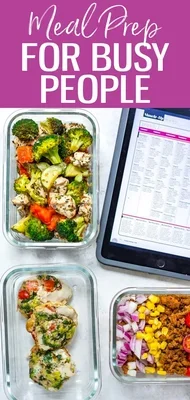
Visual guide about How to Build a Meal Prep Kitchen Setup for Busy Weekdays
Image source: thegirlonbloor.com
Sharp Knives and Reliable Cutting Boards
This is non-negotiable. A sharp chef’s knife makes chopping safer, faster, and more enjoyable. Pair it with a good utility knife and a paring knife. Invest in at least two large, sturdy cutting boards – one for raw meats and one for produce to prevent cross-contamination. Non-slip features are a huge plus for safety. Good knives and boards are the backbone of any effective meal prep kitchen setup.
Versatile Food Processors and Blenders
These appliances are massive time-savers. A food processor can chop multiple vegetables in seconds, shred cheese, or even make sauces and purees. A powerful blender is essential for smoothies, soups, and dressings. Choose models that are easy to clean and have various attachments to maximize their utility in your meal prep kitchen setup.
Quality Pots, Pans, and Roasting Trays
For batch cooking, you’ll need a large stockpot for soups, stews, or pasta. A large skillet or sauté pan is excellent for stir-fries and browning proteins. Sheet pans (at least two large ones) are incredibly versatile for roasting vegetables and proteins simultaneously. Look for durable, oven-safe options that distribute heat evenly – they will be central to your meal prep kitchen setup.
Accurate Measuring Tools and Prep Bowls
Precision matters in cooking, especially when following recipes for meal prep. A complete set of measuring cups and spoons is crucial. A kitchen scale can be incredibly helpful for portioning proteins or baking. Don’t forget a set of nested prep bowls in various sizes; they allow you to organize ingredients (your “mise en place”) before you even start cooking, making your meal prep kitchen setup much more efficient.
3. Smart Storage Solutions for Prepared Meals in Your Kitchen Setup
You’ve done the hard work of prepping and cooking; now you need to store your creations properly to keep them fresh and delicious throughout the week. This is where smart storage becomes a cornerstone of your meal prep kitchen setup.
Airtight Containers – Glass vs. Plastic
This is arguably the most critical component. Airtight containers prevent spoilage and keep food fresh.
- Glass Containers: Durable, non-staining, oven-safe, microwave-safe, dishwasher-safe, and environmentally friendly. They are heavier and can break, but many find their benefits outweigh these cons. Square or rectangular shapes stack better than round ones.
- Plastic Containers: Lighter, less expensive, and less prone to breaking. However, they can stain, retain odors, and may not be as durable long-term. Look for BPA-free options.
Consider getting a mix, but prioritize quality, stackable, and portion-controlled containers for your ideal meal prep kitchen setup.
Freezer-Friendly Storage Essentials
Freezing is an excellent way to extend the life of your prepped meals and components.
- Freezer Bags: Great for freezing individual portions of sauces, soups, or even marinated meats flat, saving space. Squeeze out as much air as possible.
- Freeer-Safe Containers: Glass containers are often freezer-safe, but specifically designed plastic freezer containers are also excellent. Ensure they are airtight to prevent freezer burn.
Remember to leave some headspace for liquids, as they expand when frozen. This maximizes your storage capacity within your meal prep kitchen setup.
Labeling and Organization Systems
Don’t skip this step! It’s easy to forget what’s in a container or when it was made. Use masking tape and a permanent marker, or invest in reusable labels. Include the date and contents. Organize your fridge and freezer by meal type or day of the week. This simple habit keeps your meal prep kitchen setup tidy and ensures food safety.
4. Pantry Power-Up: Stocking for Success in Your Meal Prep Kitchen Setup
A well-stocked pantry is a busy weekday savior. It means fewer last-minute grocery runs and more flexibility when planning your meals. Think of it as the strategic reserve for your meal prep kitchen setup.
Essential Dry Goods and Grains
Keep a steady supply of staples like:
- Grains: Rice (brown, white, wild), quinoa, oats, pasta (various shapes), couscous.
- Legumes: Dried or canned beans (black, kidney, chickpeas), lentils.
- Flours/Baking Supplies: All-purpose flour, whole wheat flour, sugar, baking powder/soda (if you bake).
Store these in airtight containers to keep them fresh and protect them from pests. This reliable base is crucial for any effective meal prep kitchen setup.
Oils, Vinegars, and Seasonings
These elevate your dishes from bland to brilliant.
- Oils: Olive oil (for dressings and general cooking), avocado oil (high smoke point), coconut oil (for specific flavors).
- Vinegars: Apple cider vinegar, red wine vinegar, balsamic vinegar.
- Seasonings: Salt (kosher, sea), black pepper, garlic powder, onion powder, cumin, paprika, chili powder, oregano, thyme, basil. A good selection of dried herbs and spices is vital for adding flavor without much effort in your meal prep kitchen setup.
Long-Lasting Produce and Canned Goods
Having these on hand can make a big difference when fresh produce runs low.
- Produce: Onions, garlic, potatoes, sweet potatoes, winter squash, carrots, sturdy apples.
- Canned Goods: Diced tomatoes, tomato paste, various beans, tuna, chicken broth, coconut milk.
These items provide a safety net for your meal prep kitchen setup, ensuring you always have ingredients to build a meal.
Freezer Stockpile for Quick Meals
Your freezer isn’t just for ice cream!
- Frozen Fruits: For smoothies or baking.
- Frozen Vegetables: Peas, corn, spinach, broccoli florets – excellent for adding quick nutrition to any meal.
- Proteins: Chicken breasts, ground meat, fish fillets – portioned and ready to thaw.
A well-stocked freezer expands the possibilities of your meal prep kitchen setup significantly.
5. Optimizing Workflow and Organization for Your Meal Prep Kitchen Setup
Even with the best tools and ingredients, your meal prep can feel chaotic without a streamlined process. This section is about creating a system that makes cooking efficient and enjoyable, making your meal prep kitchen setup truly shine.
Creating Dedicated Prep Zones
If your kitchen allows, think about defining different areas for different tasks.
- Washing/Chopping Zone: Near the sink, with your cutting boards, knives, and trash can easily accessible.
- Cooking Zone: Around your stove and oven, with pots, pans, and spatulas nearby.
- Plating/Storage Zone: A clear counter space where you can assemble meals into containers, ideally near your fridge.
This minimizes movement and clutter, making your meal prep kitchen setup feel professional.
The Power of “Mise en Place”
This French culinary term means “everything in its place.” Before you even turn on the stove, get all your ingredients washed, chopped, measured, and laid out. This simple step prevents frantic searching for ingredients mid-recipe and ensures a smooth cooking process. It’s a core principle for an organized meal prep kitchen setup.
Cleaning as You Go
Nothing saps the joy out of cooking faster than a mountain of dirty dishes. Get into the habit of cleaning as you prep and cook. Wash bowls, put away ingredients, and wipe down surfaces as you finish with them. By the time your food is done, your kitchen will be largely clean, making your meal prep kitchen setup more inviting for next time.
Mastering the Art of Batch Cooking
Meal prep isn’t always about cooking entire meals. Sometimes it’s about cooking components in bulk.
- Roast a big tray of mixed vegetables.
- Cook a large batch of grains (quinoa, rice).
- Bake a few chicken breasts or roast a whole chicken.
- Chop all your vegetables for the week at once.
These components can then be mixed and matched into various meals throughout the week, maximizing the efficiency of your meal prep kitchen setup.
6. Embracing Smart Appliances and Tech for Your Meal Prep Kitchen Setup
While not strictly necessary, certain smart appliances can elevate your meal prep kitchen setup, saving you even more time and effort, especially if you’re cooking for a crowd or complex recipes.
Slow Cookers and Instant Pots
These are the ultimate “set-it-and-forget-it” machines. A slow cooker is perfect for tender meats, stews, and chilis that simmer all day. An Instant Pot (or similar multi-cooker) combines the functions of a pressure cooker, slow cooker, rice cooker, and more, significantly reducing cooking times for many dishes. They are incredible assets to a busy person’s meal prep kitchen setup.
Immersion Blenders and Stand Mixers
An immersion blender is fantastic for pureeing soups directly in the pot, saving on dishes. If you bake or make a lot of dough, a stand mixer is a powerful tool. While not daily essentials for everyone, they can be highly beneficial for specific meal prep tasks within a comprehensive meal prep kitchen setup.
Vacuum Sealers (Optional but Powerful)
For those looking to extend the freshness of their prepped foods even further, a vacuum sealer can be a great investment. It removes air from storage bags and containers, drastically prolonging the shelf life of ingredients and cooked meals, which is a fantastic advanced feature for your meal prep kitchen setup.
Conclusion: Your New, Efficient Meal Prep Kitchen Setup Awaits
Building a dedicated meal prep kitchen setup might seem like a big undertaking, but it’s an investment in your health, your time, and your peace of mind. By thoughtfully assessing your needs, equipping your kitchen with the right tools, optimizing your storage, stocking your pantry strategically, and streamlining your workflow, you’ll transform your cooking experience.
No more frantic last-minute meal decisions, no more unhealthy takeout out of convenience, and no more wasted food. Instead, you’ll enjoy the satisfaction of nutritious, delicious, home-cooked meals, even on the busiest of weekdays. Start small, implement one or two changes at a time, and watch as your new meal prep kitchen setup empowers you to take control of your plate and your schedule. Happy prepping!
Frequently Asked Questions
What is the ideal layout for a meal prep kitchen setup?
The ideal layout for a meal prep kitchen setup follows the classic “kitchen triangle” between your fridge, sink, and stove, with clear, accessible counter space dedicated to washing and chopping. Ideally, a separate area for plating and storing finished meals is also beneficial to streamline your workflow.
How can I make my meal prep kitchen setup more eco-friendly?
To make your meal prep kitchen setup more eco-friendly, prioritize reusable items like glass storage containers, silicone bags, and cloth produce bags. Reduce food waste by planning carefully and utilizing scraps for broths. Opt for energy-efficient appliances and locally sourced ingredients when possible.
What budget-friendly items are essential for a beginner’s meal prep kitchen setup?
For a beginner’s budget-friendly meal prep kitchen setup, focus on essential items like a good chef’s knife, a sturdy cutting board, basic pots and pans, and a set of airtight plastic containers. You can gradually upgrade or add more specialized tools as your meal prep routine develops.
How do I keep my prepped meals fresh longer in my kitchen setup?
To keep prepped meals fresh longer, use high-quality, airtight containers (especially glass), cool food completely before refrigerating, and store ingredients that can get soggy (like dressing or croutons) separately. Labeling with dates also helps ensure you eat meals within their optimal freshness window, supported by your organized meal prep kitchen setup.
Can a small kitchen still be optimized for meal prep?
Absolutely! Even a small kitchen can be optimized for meal prep by focusing on multi-functional tools, vertical storage solutions, and portable prep surfaces like cutting board extensions. Smart organization, like decluttering and creating specific zones, is even more critical in compact spaces to create an efficient meal prep kitchen setup.
What are some common mistakes to avoid when building a meal prep kitchen setup?
Common mistakes include buying too many specialized gadgets you won’t use, not having enough adequate storage containers, neglecting to stock pantry staples, and overlooking proper organization. Another mistake is forgetting to clean as you go, which can make the meal prep process feel overwhelming even with a good meal prep kitchen setup.