
Looking to eat better without spending hours in the kitchen? These 12 simple healthy meals under 500 calories prove that nutritious eating can be quick, satisfying, and full of flavor. From hearty breakfasts to light dinners, each recipe is designed to fuel your body without weighing you down.
Key Takeaways
- Calorie control made easy: Each meal stays under 500 calories while delivering balanced nutrition with protein, fiber, and healthy fats.
- Minimal prep, maximum flavor: Most recipes take 20 minutes or less and use simple ingredients you likely already have.
- Variety for every meal: Includes breakfast, lunch, dinner, and even a snack option to keep your day interesting.
- No fancy equipment needed: All meals can be made with basic kitchen tools—no blenders or air fryers required.
- Great for weight management: These meals support satiety and energy, helping you stay on track without feeling deprived.
- Customizable and flexible: Swap ingredients based on dietary needs (vegan, gluten-free, dairy-free) without sacrificing taste.
- Perfect for busy lifestyles: Ideal for meal prep, quick weeknights, or when you want something healthy but don’t have time to cook.
Quick Answers to Common Questions
Can I eat these meals every day?
Yes, but variety is important. Rotate different recipes to ensure you get a wide range of nutrients and avoid boredom.
Are these meals suitable for weight loss?
Absolutely. With balanced macros and controlled calories, they support sustainable weight loss when combined with regular activity.
Can I make these meals vegetarian or vegan?
Yes! Swap animal proteins for tofu, tempeh, legumes, or plant-based alternatives. Most recipes are easily adaptable.
Do I need special kitchen tools?
No. A skillet, pot, baking sheet, and basic utensils are all you need. No blenders or air fryers required.
How long do these meals take to prepare?
Most take 10–20 minutes. A few (like roasting veggies) may take up to 30 minutes, but require minimal hands-on time.
📑 Table of Contents
- Why Healthy Meals Under 500 Calories Matter
- What Makes a Meal “Healthy” and Under 500 Calories?
- Breakfast: Start Your Day Right
- Lunch: Light, Fresh, and Filling
- Dinner: Satisfying Without the Guilt
- Snack & Light Meal Option
- Bonus: Two More Quick Ideas
- Tips for Success: Making These Meals Work for You
- Final Thoughts: Healthy Eating Made Simple
Why Healthy Meals Under 500 Calories Matter
Let’s be real—eating healthy doesn’t have to mean eating bland food or spending hours chopping vegetables. In fact, some of the most satisfying meals are the simplest ones. That’s where these 12 simple healthy meals under 500 calories come in. They’re designed to give you real energy, keep you full, and taste amazing—all without breaking the calorie bank.
Whether you’re trying to lose weight, maintain a healthy lifestyle, or just want to feel lighter and more energized, these meals are your secret weapon. The best part? They’re not just low in calories—they’re high in nutrients. We’re talking lean proteins, fiber-rich veggies, whole grains, and healthy fats that work together to support your body’s needs.
And don’t worry—this isn’t about deprivation. These meals are built on flavor, texture, and satisfaction. You won’t be left staring at your plate wondering where the taste went. Instead, you’ll enjoy every bite while staying within a healthy calorie range.
What Makes a Meal “Healthy” and Under 500 Calories?
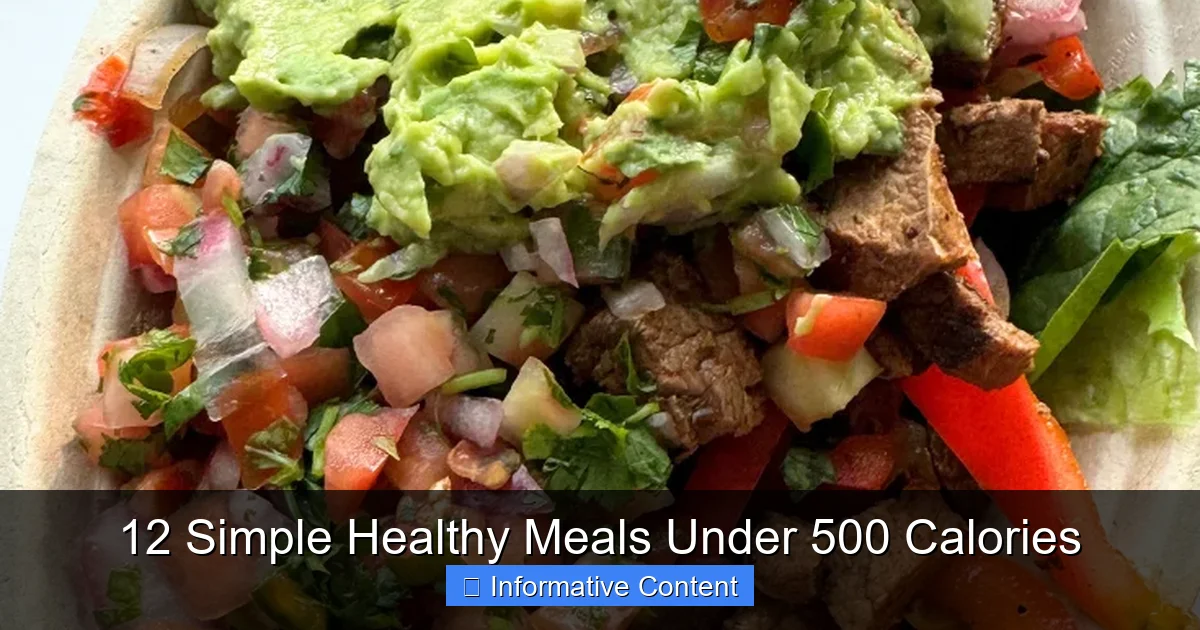
Visual guide about 12 Simple Healthy Meals Under 500 Calories
Image source: drrachelpaul.com
So, what exactly makes a meal both healthy and under 500 calories? It’s not just about counting calories—it’s about choosing the right ones. A truly healthy meal balances macronutrients: protein to keep you full, carbohydrates for energy, and fats for brain and hormone health. It also includes plenty of vitamins, minerals, and fiber from whole foods.
Let’s break it down:
Protein: The Satiety Superstar
Protein is your best friend when it comes to staying full and maintaining muscle. It digests slowly, which means you won’t be hungry an hour after eating. In these meals, you’ll find lean sources like eggs, chicken breast, tofu, Greek yogurt, and legumes—all of which pack a protein punch without adding excess calories.
Fiber: The Fullness Factor
Fiber comes from vegetables, fruits, and whole grains. It adds bulk to your meals, slows digestion, and helps regulate blood sugar. That means no energy crashes or sudden hunger pangs. Think leafy greens, broccoli, berries, and oats—all low in calories but high in filling power.
Healthy Fats: Not the Enemy
Don’t fear fat—just choose the right kind. Avocado, olive oil, nuts, and seeds provide essential fatty acids and help your body absorb fat-soluble vitamins (A, D, E, K). A little goes a long way: one tablespoon of olive oil has about 120 calories, so we use it wisely.
Smart Carbs: Energy Without the Bloat
We’re not cutting out carbs—we’re choosing the right ones. Whole grains like quinoa, brown rice, and oats offer complex carbohydrates that release energy slowly. They’re also rich in fiber and nutrients, unlike refined carbs like white bread or sugary cereals.
Portion Control: The Hidden Hero
Even healthy foods can add up in calories if portions are too large. That’s why these meals are carefully portioned. A grilled chicken breast might be 4 ounces, not 8. A serving of quinoa is ½ cup cooked. It’s not about restriction—it’s about balance.
Breakfast: Start Your Day Right
Breakfast sets the tone for your entire day. Skipping it can lead to overeating later, while a balanced morning meal boosts metabolism and focus. These breakfast options are quick, delicious, and under 500 calories.
1. Veggie-Packed Scrambled Eggs with Toast
This classic gets a healthy upgrade with colorful vegetables and whole-grain toast. Here’s how to make it:
– 2 large eggs (140 calories)
– ½ cup chopped spinach (4 calories)
– ¼ cup diced bell peppers (10 calories)
– ¼ cup diced tomatoes (5 calories)
– 1 tsp olive oil (40 calories)
– 1 slice whole-grain toast (80 calories)
– Salt, pepper, and herbs to taste
Heat olive oil in a non-stick pan. Sauté peppers for 2 minutes, then add spinach and tomatoes. Pour in beaten eggs and scramble until cooked. Serve with toast.
Total: ~279 calories
Why it works: Eggs provide high-quality protein, while veggies add volume and nutrients. The whole-grain toast offers fiber and sustained energy.
2. Greek Yogurt Berry Parfait
Creamy, sweet, and satisfying—this parfait is like dessert for breakfast (but way healthier).
– ¾ cup plain Greek yogurt (130 calories)
– ½ cup mixed berries (40 calories)
– 2 tbsp rolled oats (50 calories)
– 1 tsp honey (20 calories)
– Sprinkle of chia seeds (30 calories)
Layer yogurt, berries, and oats in a bowl or jar. Drizzle with honey and top with chia seeds.
Total: ~270 calories
Why it works: Greek yogurt is rich in protein and probiotics. Berries add antioxidants, and oats provide fiber. Chia seeds boost omega-3s and help with fullness.
3. Avocado Toast with Egg
Trendy? Yes. Delicious and nutritious? Absolutely.
– 1 slice whole-grain bread (80 calories)
– ½ medium avocado (120 calories)
– 1 poached or fried egg (70 calories)
– Lemon juice, red pepper flakes, salt to taste
Mash avocado onto toast. Top with egg and seasonings.
Total: ~270 calories
Why it works: Avocado delivers healthy fats and creaminess, while the egg adds protein. Whole-grain bread keeps it balanced.
Lunch: Light, Fresh, and Filling
Lunch is your midday reset. These meals are designed to keep you energized without that post-lunch slump.
4. Mediterranean Chickpea Salad
No cooking required—just mix and enjoy.
– 1 cup canned chickpeas, rinsed (210 calories)
– ½ cup cherry tomatoes, halved (15 calories)
– ¼ cup cucumber, diced (4 calories)
– 2 tbsp red onion, finely chopped (10 calories)
– 2 tbsp crumbled feta cheese (70 calories)
– 1 tbsp olive oil (120 calories)
– 1 tbsp lemon juice (3 calories)
– Fresh parsley, oregano, salt, and pepper
Combine all ingredients in a bowl. Toss with olive oil and lemon juice.
Total: ~432 calories
Why it works: Chickpeas are a plant-based protein and fiber powerhouse. Feta adds flavor without excess calories. Olive oil provides heart-healthy fats.
5. Turkey and Veggie Lettuce Wraps
Skip the bread and go low-carb with crisp lettuce cups.
– 3 oz lean ground turkey, cooked (120 calories)
– 1 cup shredded lettuce (5 calories)
– ½ cup shredded carrots (25 calories)
– ¼ cup diced bell peppers (10 calories)
– 1 tbsp low-sodium soy sauce (10 calories)
– 1 tsp sesame oil (40 calories)
– 1 green onion, sliced (5 calories)
– 1 tsp sesame seeds (15 calories)
Cook turkey with soy sauce and sesame oil. Spoon into lettuce cups and top with veggies and sesame seeds.
Total: ~230 calories
Why it works: Lean turkey keeps calories low while providing protein. Lettuce adds crunch and volume. Sesame oil gives a rich flavor with minimal calories.
6. Quinoa and Black Bean Bowl
A hearty, plant-based option that’s packed with flavor.
– ½ cup cooked quinoa (111 calories)
– ½ cup black beans, rinsed (114 calories)
– ½ cup corn kernels (60 calories)
– ¼ cup diced avocado (60 calories)
– 2 tbsp salsa (10 calories)
– 1 tbsp lime juice (3 calories)
– Fresh cilantro, salt, and pepper
Mix all ingredients in a bowl. Drizzle with lime juice and top with cilantro.
Total: ~358 calories
Why it works: Quinoa and black beans together form a complete protein. Corn adds natural sweetness, and avocado brings creaminess and healthy fats.
Dinner: Satisfying Without the Guilt
Dinner should be comforting, not heavy. These meals prove you can enjoy a full plate without overdoing the calories.
7. Grilled Salmon with Roasted Vegetables
Salmon is rich in omega-3s and cooks in minutes.
– 4 oz salmon fillet (180 calories)
– 1 cup mixed veggies (broccoli, zucchini, carrots) (50 calories)
– 1 tsp olive oil (40 calories)
– Lemon slices, garlic, dill, salt, and pepper
Toss veggies with olive oil and seasonings. Roast at 400°F for 20 minutes. Grill or bake salmon for 10–12 minutes.
Total: ~270 calories
Why it works: Salmon is a nutrient-dense protein. Roasted veggies add fiber and antioxidants. A little olive oil enhances flavor and nutrient absorption.
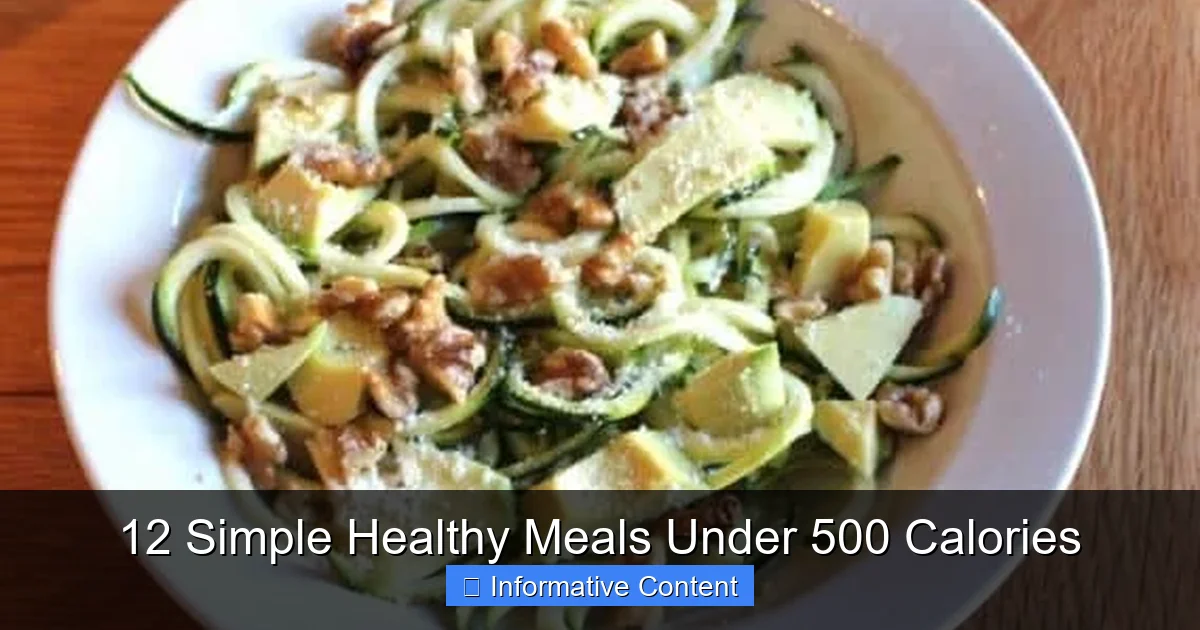
8. Zucchini Noodles with Turkey Meatballs
A low-carb twist on spaghetti and meatballs.
– 2 medium zucchinis, spiralized (40 calories)
– 3 oz lean ground turkey (120 calories)
– ¼ cup breadcrumbs (50 calories)
– 1 egg white (17 calories)
– 2 tbsp grated Parmesan (60 calories)
– ½ cup marinara sauce (70 calories)
– Italian seasoning, garlic, salt, pepper
Mix turkey, breadcrumbs, egg white, Parmesan, and seasonings. Form into small meatballs and bake at 375°F for 15 minutes. Toss zucchini noodles with warm marinara and top with meatballs.
Total: ~357 calories
Why it works: Zucchini noodles cut carbs and calories. Turkey meatballs provide lean protein. Marinara adds flavor without excess sugar.
9. Chicken and Veggie Stir-Fry
Quick, colorful, and full of flavor.
– 4 oz chicken breast, sliced (180 calories)
– 1 cup mixed stir-fry veggies (broccoli, snap peas, carrots) (50 calories)
– 1 tsp sesame oil (40 calories)
– 1 tbsp low-sodium soy sauce (10 calories)
– 1 tsp ginger, minced (2 calories)
– 1 clove garlic, minced (4 calories)
– ½ cup cooked brown rice (108 calories)
Heat oil in a pan. Cook chicken until done. Add veggies, ginger, and garlic. Stir in soy sauce. Serve over brown rice.
Total: ~394 calories
Why it works: Chicken and veggies make a balanced meal. Brown rice adds fiber and complex carbs. Sesame oil gives a rich aroma with minimal calories.
Snack & Light Meal Option
Sometimes you need something between meals—or a light dinner that won’t weigh you down.
10. Caprese Stuffed Avocado
A fresh, no-cook option perfect for summer.
– ½ medium avocado (120 calories)
– ¼ cup cherry tomatoes, halved (8 calories)
– 1 oz fresh mozzarella, cubed (80 calories)
– 1 tsp balsamic glaze (15 calories)
– Fresh basil, salt, and pepper
Scoop out a little avocado to make room. Fill with tomatoes and mozzarella. Drizzle with balsamic and top with basil.
Total: ~223 calories
Why it works: Avocado and mozzarella provide healthy fats and protein. Tomatoes add juiciness and vitamins. Balsamic glaze gives a sweet-tangy kick.
Bonus: Two More Quick Ideas
11. Tuna and White Bean Salad
– 1 can tuna in water, drained (120 calories)
– ½ cup canned white beans, rinsed (100 calories)
– ½ cup cucumber, diced (4 calories)
– 2 tbsp red onion, chopped (10 calories)
– 1 tbsp olive oil (120 calories)
– 1 tbsp lemon juice (3 calories)
– Fresh parsley, salt, pepper
Mix all ingredients. Chill before serving.
Total: ~357 calories
12. Oatmeal with Peanut Butter and Banana
– ½ cup rolled oats (150 calories)
– 1 cup water or unsweetened almond milk (30 calories)
– 1 tbsp natural peanut butter (90 calories)
– ½ banana, sliced (50 calories)
– Cinnamon to taste
Cook oats with liquid. Stir in peanut butter. Top with banana and cinnamon.
Total: ~320 calories
Tips for Success: Making These Meals Work for You
These meals are simple, but a few smart strategies can make them even easier to stick with.
Plan Ahead
Spend 10 minutes on Sunday planning your meals. Choose 3–4 recipes, make a grocery list, and prep ingredients (chop veggies, cook grains). This saves time and reduces stress during the week.
Use Leftovers Wisely
Cook a big batch of quinoa or roast extra veggies. Use them in multiple meals—like adding quinoa to a salad or stir-fry. Leftovers = less cooking.
Flavor Without Calories
Herbs, spices, citrus, and vinegar add tons of flavor with almost no calories. Try garlic, cumin, paprika, lemon juice, or apple cider vinegar to elevate any dish.
Stay Hydrated
Sometimes thirst feels like hunger. Drink water before meals—it can help you eat less and feel more satisfied.
Listen to Your Body
These meals are under 500 calories, but if you’re very active or still hungry, add a small side—like a piece of fruit or a handful of nuts. Balance is key.
Final Thoughts: Healthy Eating Made Simple
Eating healthy doesn’t have to be complicated, expensive, or time-consuming. These 12 simple healthy meals under 500 calories prove that you can enjoy delicious food while supporting your health goals. Whether you’re cooking for one or feeding a family, these recipes are flexible, flavorful, and built for real life.
The best part? You don’t have to be a chef. With a few basic ingredients and 20 minutes (or less), you can create meals that nourish your body and satisfy your taste buds. So go ahead—pick one, try it, and see how good healthy eating can feel.
Remember, it’s not about perfection. It’s about progress. Every healthy meal is a step toward feeling better, living longer, and enjoying food the way it was meant to be enjoyed.
Frequently Asked Questions
Are these meals safe for people with diabetes?
Yes, most are. They focus on low-glycemic ingredients like whole grains, lean protein, and non-starchy vegetables, which help manage blood sugar.
Can I freeze these meals?
Some can be frozen, like soups or cooked grains, but fresh salads and avocado-based dishes are best eaten fresh.
What if I don’t like one of the ingredients?
Feel free to swap! Use different veggies, proteins, or grains based on your taste or what’s in your pantry.
Are these meals kid-friendly?
Many are! Try milder versions with less spice. Turkey lettuce wraps or oatmeal with banana are great for children.
Do I need to count calories strictly?
Not necessarily. These meals are designed to be balanced and satisfying. Use them as a guide, not a rigid rule.
Where can I find the recipes?
All recipes are included in this article. Save it or print it for easy reference in your kitchen.