
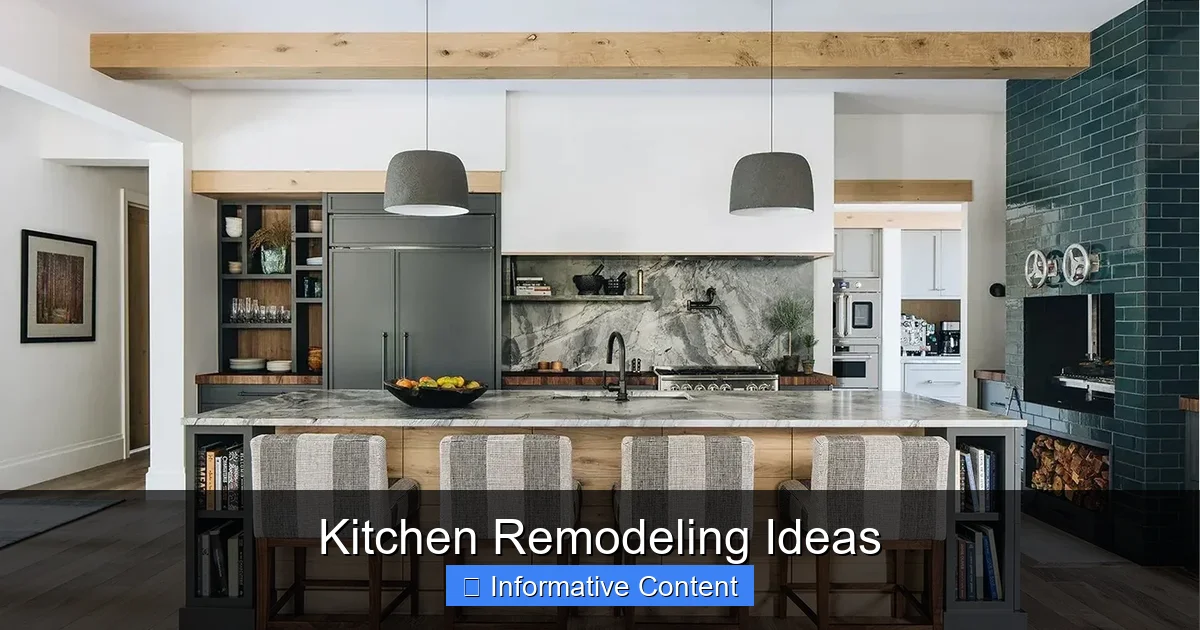
Looking to breathe new life into your kitchen? Kitchen remodeling ideas range from stylish backsplashes to functional layouts that boost efficiency and value. Whether you’re planning a full renovation or a simple refresh, this guide covers everything you need to create a space that’s both beautiful and practical.
Key Takeaways
- Open-concept layouts create a sense of space and improve social interaction during cooking and dining.
- Smart storage solutions like pull-out pantries and deep drawers maximize functionality in small kitchens.
- Energy-efficient appliances reduce utility bills and support sustainable living.
- Neutral color palettes with bold accents offer timeless appeal while allowing for personal style.
- Durable countertops such as quartz or granite provide longevity and easy maintenance.
- Proper lighting design combines ambient, task, and accent lighting for a well-lit, inviting kitchen.
- Backsplash upgrades add visual interest and protect walls from spills and splatters.
Quick Answers to Common Questions
What is the average cost of a kitchen remodel?
The average cost ranges from $15,000 to $50,000, depending on the scope. Minor updates cost less, while full renovations with high-end materials and appliances are on the higher end.
How long does a kitchen remodel take?
A minor remodel may take 1–2 weeks, while a full renovation can take 6–12 weeks, especially if structural changes are involved.
Can I live in my home during a kitchen remodel?
Yes, but it can be disruptive. Set up a temporary kitchen in another room with a microwave, mini-fridge, and basic supplies.
What are the best countertops for a busy kitchen?
Quartz is the top choice for durability and low maintenance. Granite is also strong but requires sealing. Butcher block is warm but needs regular care.
Should I replace my appliances during a remodel?
Yes, if they’re outdated or don’t match your new design. New appliances improve efficiency, performance, and home value.
📑 Table of Contents
- Why Remodel Your Kitchen?
- Planning Your Kitchen Remodel
- Popular Kitchen Remodeling Ideas
- Choosing the Right Materials and Finishes
- Lighting and Electrical Upgrades
- Maximizing Storage and Organization
- Eco-Friendly and Sustainable Remodeling
- Hiring Professionals vs. DIY
- Final Touches and Personalization
- Conclusion
Why Remodel Your Kitchen?
Your kitchen is more than just a place to cook—it’s the heart of your home. It’s where families gather, meals are shared, and memories are made. Over time, however, even the most beloved kitchens can start to feel outdated, cramped, or inefficient. That’s where kitchen remodeling ideas come in. Whether you’re dealing with worn-out cabinets, limited counter space, or outdated appliances, a well-planned remodel can transform your kitchen into a functional, stylish, and inviting space.
Remodeling your kitchen isn’t just about aesthetics. It’s also a smart investment. According to real estate experts, kitchen renovations often yield one of the highest returns on investment when it comes to home improvements. A modern, updated kitchen can increase your home’s value and make it more attractive to potential buyers. But beyond financial benefits, a kitchen remodel improves your daily life. Imagine cooking with high-performance appliances, having ample storage for all your gadgets, and enjoying a layout that flows seamlessly from prep to cleanup.
The best part? You don’t need a massive budget or a complete tear-down to make a big impact. Even small changes—like updating hardware, refreshing paint, or installing new lighting—can give your kitchen a fresh, modern look. The key is to focus on what matters most to you: better functionality, more storage, improved lighting, or a more cohesive design. With the right kitchen remodeling ideas, you can create a space that reflects your lifestyle and enhances your home.
Planning Your Kitchen Remodel
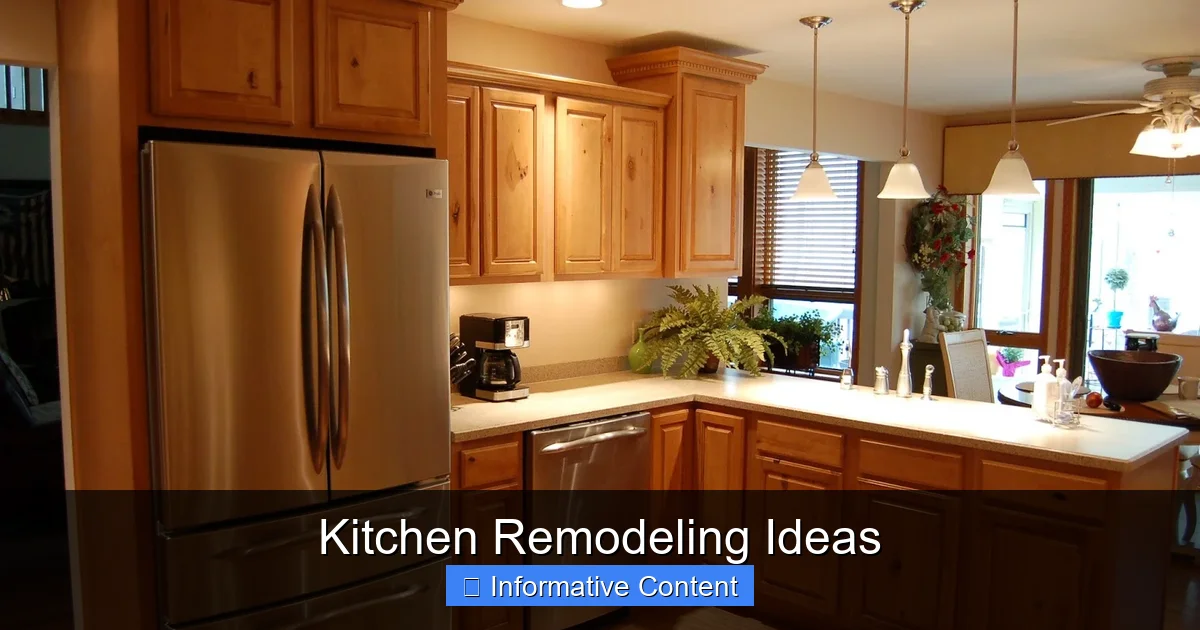
Visual guide about Kitchen Remodeling Ideas
Image source: 1.bp.blogspot.com
Before you start tearing down walls or ordering cabinets, take time to plan your kitchen remodel carefully. A well-thought-out plan saves time, money, and stress down the road. Start by assessing your current kitchen. What works? What doesn’t? Make a list of your must-haves and nice-to-haves. Do you need more counter space? Better lighting? A larger island? Understanding your priorities helps guide your decisions.
Next, set a realistic budget. Kitchen remodels can range from a few thousand dollars for cosmetic updates to $50,000 or more for a full renovation. Be honest about what you can afford, and include a 10–15% buffer for unexpected expenses. Research costs for materials, labor, and permits in your area. Getting multiple quotes from contractors can help you find the best value.
Consider the scope of your project. Are you doing a minor refresh—like painting cabinets and replacing fixtures—or a major overhaul that includes reconfiguring the layout? Minor updates are often DIY-friendly and can be completed in a weekend. Major remodels typically require professionals, especially if you’re moving plumbing or electrical systems.
Finally, think about timing. Kitchen remodels can disrupt your daily routine, so plan around busy seasons or family events. If possible, schedule the work during a time when you can manage without a full kitchen, such as a vacation or holiday break. With careful planning, your kitchen remodeling project will go smoothly and deliver the results you’re looking for.
Setting a Realistic Budget
Budgeting is one of the most important steps in any kitchen remodel. Start by determining how much you’re willing to spend overall. Then, break it down into categories: cabinets (30–40%), appliances (15–20%), countertops (10–15%), flooring (5–10%), labor (20–30%), and miscellaneous (5–10%). This helps you allocate funds wisely and avoid overspending in one area.
Choosing the Right Layout
The layout of your kitchen affects how you move and work within the space. Common layouts include the galley (efficient for small spaces), L-shaped (great for open-plan homes), U-shaped (ideal for larger kitchens), and island-based designs (perfect for entertaining). Choose a layout that fits your space and lifestyle.
Popular Kitchen Remodeling Ideas
Now that you’ve planned your remodel, it’s time to explore some of the most popular and effective kitchen remodeling ideas. These trends combine style, functionality, and innovation to create kitchens that are both beautiful and practical.
One of the biggest trends in recent years is the open-concept kitchen. By removing walls between the kitchen and living or dining areas, you create a more spacious, social environment. This layout is perfect for families and those who love to entertain. It allows the cook to stay connected with guests and makes the space feel larger—even in smaller homes.
Another popular idea is upgrading to a kitchen island. Islands provide extra counter space, storage, and seating. They can also house sinks, cooktops, or dishwashers, making them highly functional. If you have a small kitchen, consider a portable or fold-down island to save space when not in use.
Smart storage is also a game-changer. Traditional cabinets and drawers often waste valuable space. Instead, opt for pull-out shelves, lazy Susans, deep drawers for pots and pans, and vertical dividers for baking sheets. A well-organized pantry with clear bins and labels can make meal prep faster and more enjoyable.
For a modern touch, consider integrating smart appliances. Smart refrigerators can track expiration dates and suggest recipes, while voice-controlled ovens let you preheat with a simple command. These high-tech features not only add convenience but also increase your home’s appeal.
Finally, don’t overlook the power of color and texture. A fresh coat of paint in a light, neutral shade can make your kitchen feel brighter and more open. Add personality with bold backsplashes, patterned tiles, or textured cabinet finishes. Mixing materials—like wood and metal—adds depth and visual interest.
Open-Concept Kitchens
Open-concept kitchens remove barriers between rooms, creating a seamless flow between cooking, dining, and living areas. This design encourages interaction and makes small spaces feel larger. To maintain functionality, use area rugs, furniture placement, or partial walls to define zones without closing off the space.
Kitchen Islands and Peninsulas
Islands and peninsulas add valuable workspace and storage. Islands are freestanding and ideal for larger kitchens, while peninsulas are attached to a wall or cabinet, making them perfect for compact spaces. Include seating for a casual dining area or homework station.
Choosing the Right Materials and Finishes
The materials and finishes you choose play a huge role in the look, feel, and durability of your kitchen. From countertops to cabinetry, every element should balance style with practicality.
Countertops are one of the most used surfaces in the kitchen, so durability is key. Quartz is a top choice for its resistance to stains, scratches, and heat. It’s also non-porous, so it won’t harbor bacteria. Granite offers a natural, unique look but requires periodic sealing. For a budget-friendly option, consider butcher block or solid surface materials like Corian.
Cabinets take up a large visual portion of the kitchen, so choose finishes that reflect your style. Painted cabinets in soft whites, grays, or navy are timeless and versatile. For a warmer feel, wood finishes like oak, maple, or walnut add richness. Two-tone cabinets—such as white uppers and navy lowers—create contrast and visual interest.
Flooring should be durable, easy to clean, and slip-resistant. Porcelain tile, luxury vinyl, and hardwood are popular choices. Porcelain mimics the look of stone or wood but is more resistant to moisture and wear. Luxury vinyl is affordable, comfortable underfoot, and available in countless styles. Hardwood adds warmth but may require more maintenance in high-moisture areas.
Backsplashes are both functional and decorative. Subway tiles remain a classic choice, but larger formats, geometric patterns, or bold colors can make a statement. Consider materials like glass, metal, or natural stone for added texture and shine.
Countertop Options
Quartz, granite, and marble are top-tier choices for countertops. Quartz is low-maintenance and consistent in color, while granite offers natural variation. Marble is stunning but prone to staining, so it’s best for low-traffic areas or baking stations.
Cabinet Styles and Finishes
Shaker-style cabinets are simple, clean, and work with almost any design. For a modern look, go with flat-panel or slab doors. Painted finishes offer flexibility, while wood stains highlight natural grain. Soft-close hinges and full-extension drawers improve functionality.
Lighting and Electrical Upgrades
Good lighting is essential in a kitchen. It affects how you see colors, prepare food, and interact with the space. A well-lit kitchen is safer, more efficient, and more inviting.
Start with ambient lighting—the general illumination that fills the room. Recessed ceiling lights are a popular choice because they provide even coverage without taking up visual space. For a cozier feel, consider flush-mount or semi-flush fixtures.
Task lighting is crucial over work areas like the sink, stove, and countertops. Under-cabinet lighting is a must-have. LED strips or puck lights shine directly onto surfaces, reducing shadows and making food prep easier. Pendant lights over islands or peninsulas add both function and style.
Accent lighting highlights design features like open shelving, glass-front cabinets, or a decorative backsplash. Use small LED spots or tape lights to create depth and drama.
Don’t forget about electrical outlets. Modern kitchens need plenty of power for appliances, chargers, and gadgets. Install outlets at counter height (every 4 feet is ideal) and consider USB ports for convenience. A dedicated circuit for high-wattage appliances like microwaves or toaster ovens prevents overloads.
Layered Lighting Design
Combine ambient, task, and accent lighting for a balanced, functional space. Use dimmers to adjust brightness based on the time of day or mood. Smart lighting systems let you control lights via phone or voice, adding convenience and energy savings.
Outlets and Smart Features
Add outlets in unexpected places—like inside cabinets or near the island—for charging devices or using small appliances. Smart outlets can be scheduled or controlled remotely, enhancing safety and efficiency.
Maximizing Storage and Organization
A clutter-free kitchen is a happy kitchen. Smart storage solutions help you make the most of every inch, keeping essentials within reach and countertops clear.
Start with cabinets. Replace fixed shelves with pull-out trays or roll-out drawers. Deep drawers for pots and pans are easier to access than traditional cabinets. Use dividers for utensils, cutting boards, and spices.
Pantries are a goldmine for organization. A walk-in pantry offers ample space, but even a small closet can be optimized with shelves, baskets, and door-mounted racks. Label containers to keep items visible and fresh.
Open shelving is trendy and practical. Display frequently used dishes or decorative items, but keep it minimal to avoid clutter. Use baskets or bins to corral small items.
Don’t forget vertical space. Install hooks for pots, pans, or aprons. Magnetic strips hold knives within easy reach. Over-the-sink racks free up counter space.
For small kitchens, every inch counts. Use the inside of cabinet doors for spice racks or knife holders. Lazy Susans in corner cabinets make hard-to-reach items accessible. Consider a pegboard wall for customizable storage.
Pull-Out and Soft-Close Features
Pull-out shelves and soft-close hinges improve accessibility and reduce noise. They’re especially helpful in deep cabinets or for people with mobility issues.
Creative Storage Hacks
Use tension rods under the sink to hold cleaning bottles upright. Hang a rail for dish towels or oven mitts. Repurpose a wine rack for spice jars or canned goods.
Eco-Friendly and Sustainable Remodeling
More homeowners are choosing sustainable options when remodeling their kitchens. Eco-friendly choices benefit the environment and can save money in the long run.
Start with energy-efficient appliances. Look for ENERGY STAR-rated models, which use less electricity and water. Induction cooktops are faster and more efficient than gas or electric stoves.
Choose sustainable materials. Bamboo and reclaimed wood are renewable and stylish. Recycled glass countertops add color and texture while reducing waste.
Low-VOC paints and finishes improve indoor air quality. They emit fewer harmful chemicals, making your kitchen safer for your family.
Consider water-saving fixtures. Low-flow faucets and dishwashers reduce water usage without sacrificing performance. A filtered water dispenser eliminates the need for bottled water.
Finally, recycle or donate old materials. Many cabinets, appliances, and fixtures can be reused or repurposed. This reduces landfill waste and supports community programs.
Energy-Efficient Appliances
ENERGY STAR appliances use 10–50% less energy than standard models. Over time, the savings on utility bills can offset the higher upfront cost.
Sustainable Materials
Bamboo grows quickly and is highly durable. Reclaimed wood adds character and reduces the demand for new timber. Recycled materials like glass or metal give old items new life.
Hiring Professionals vs. DIY
Deciding whether to hire professionals or tackle your kitchen remodel yourself depends on your skills, budget, and project scope.
DIY projects are great for cosmetic updates: painting cabinets, installing new hardware, or laying peel-and-stick backsplash tiles. These tasks are affordable and can be completed in a weekend.
However, major renovations—like moving plumbing, rewiring, or structural changes—require licensed professionals. Mistakes can be costly and dangerous. Hiring experts ensures the work is up to code and done safely.
Even if you’re handy, consider hiring a designer or contractor for guidance. They can help you avoid common pitfalls, source quality materials, and stay on budget.
When to Call a Pro
Electrical work, gas line changes, and structural modifications should always be handled by licensed professionals. Permits may also be required.
DIY-Friendly Upgrades
Painting, replacing faucets, installing light fixtures, and updating cabinet hardware are manageable for most homeowners with basic tools and patience.
Final Touches and Personalization
Once the major work is done, it’s time to add the finishing touches that make your kitchen uniquely yours.
Choose hardware that complements your style. Brushed nickel, matte black, and brass are popular finishes. Mix and match for a custom look.
Add personal touches with decor: a chalkboard for meal planning, a gallery wall of family recipes, or a collection of vintage cookware.
Plants bring life and freshness. Herbs like basil or mint grow well on windowsills and can be used in cooking.
Finally, keep it organized. Use drawer liners, matching containers, and labels to maintain order. A well-organized kitchen is easier to clean and more enjoyable to use.
Conclusion
Remodeling your kitchen is an exciting opportunity to create a space that’s both beautiful and functional. From open layouts and smart storage to sustainable materials and layered lighting, the right kitchen remodeling ideas can transform your home. Whether you’re making small updates or planning a full renovation, focus on what matters most to your lifestyle. With careful planning, smart choices, and a touch of creativity, your dream kitchen is within reach.
Frequently Asked Questions
What are the most cost-effective kitchen remodeling ideas?
Painting cabinets, updating hardware, installing new lighting, and adding a peel-and-stick backsplash are affordable ways to refresh your kitchen without a major investment.
How can I make a small kitchen look bigger?
Use light colors, reflective surfaces like glossy tiles or stainless steel, and open shelving. Avoid upper cabinets on one side and add mirrors or glass to create the illusion of space.
Are open-concept kitchens worth it?
Yes, especially for entertaining and family interaction. They make spaces feel larger and more connected, though they may require noise and odor management.
What lighting is best for cooking?
Task lighting, such as under-cabinet LEDs, is essential for safe and efficient food prep. Combine with ambient lighting for a well-balanced kitchen.
Can I remodel my kitchen on a tight budget?
Absolutely. Focus on cosmetic changes like paint, lighting, and hardware. Shop sales, use affordable materials, and do some work yourself to save money.
How do I choose the right contractor?
Get at least three quotes, check reviews and references, and verify licenses and insurance. Choose someone with experience in kitchen remodels and clear communication.