
Starting your day with a healthy breakfast is one of the smartest moves you can make for weight loss. These 8 healthy breakfast ideas are packed with protein, fiber, and healthy fats to keep you full, energized, and on track with your goals—without sacrificing flavor or convenience.
Key Takeaways
- Protein is key: Including protein in your breakfast helps reduce hunger and supports muscle maintenance during weight loss.
- Fiber keeps you full: High-fiber foods like oats, fruits, and whole grains slow digestion and prevent overeating later in the day.
- Healthy fats boost satisfaction: Avocado, nuts, and seeds add flavor and help you feel full longer without spiking blood sugar.
- Portion control matters: Even healthy foods can lead to weight gain if portions are too large—balance is essential.
- Preparation saves time: Prepping breakfasts ahead of time ensures you stick to your plan, even on busy mornings.
- Avoid sugary traps: Skip pastries, sugary cereals, and flavored yogurts—they cause energy crashes and increase cravings.
- Hydration complements meals: Drinking water before or with your breakfast can enhance digestion and reduce false hunger cues.
Quick Answers to Common Questions
Can I eat breakfast if I’m not hungry in the morning?
Yes, it’s okay to skip breakfast if you’re not hungry—especially if you’re following intermittent fasting. Listen to your body and eat when you feel ready.
Are smoothies good for weight loss?
Yes, but only if they’re balanced. Avoid sugary add-ins and include protein, fiber, and healthy fats to keep you full and prevent blood sugar spikes.
How much protein should I aim for at breakfast?
Aim for 15–20 grams of protein per breakfast. This helps reduce hunger and supports muscle maintenance during weight loss.
Can I eat carbs and still lose weight?
Absolutely. Choose complex carbs like oats, whole grains, and fruits. They provide energy and fiber without causing blood sugar crashes.
Is it better to eat breakfast early or wait?
It depends on your schedule and hunger cues. Some people benefit from eating within an hour of waking, while others do well with a later meal. Find what works for you.
📑 Table of Contents
Why Breakfast Matters for Weight Loss
Breakfast is often called the most important meal of the day—and for good reason. After a long night of fasting, your body needs fuel to kickstart metabolism and stabilize blood sugar. Skipping breakfast might seem like a shortcut to cutting calories, but research shows it often backfires. People who skip breakfast tend to overeat later in the day, make poorer food choices, and have a harder time managing their weight.
A well-balanced breakfast sets the tone for your entire day. It helps regulate appetite hormones like ghrelin and leptin, reduces mid-morning cravings, and improves focus and energy levels. When you eat a nutritious breakfast, you’re less likely to reach for sugary snacks or oversized lunches. Think of it as laying a strong foundation—just like you wouldn’t build a house on shaky ground, you shouldn’t start your day without proper fuel.
But not all breakfasts are created equal. A doughnut and coffee might give you a quick burst of energy, but it’ll leave you hungry and sluggish within an hour. On the other hand, a breakfast rich in protein, fiber, and healthy fats keeps you satisfied for hours and supports long-term weight management. The key is choosing foods that nourish your body, not just fill your stomach.
What Makes a Breakfast “Healthy” for Weight Loss?
So, what exactly makes a breakfast ideal for weight loss? It’s not just about cutting calories—it’s about choosing foods that work with your body’s natural rhythms. A healthy breakfast for weight loss should include three key components: protein, fiber, and healthy fats. These nutrients work together to stabilize blood sugar, reduce hunger, and support metabolic health.

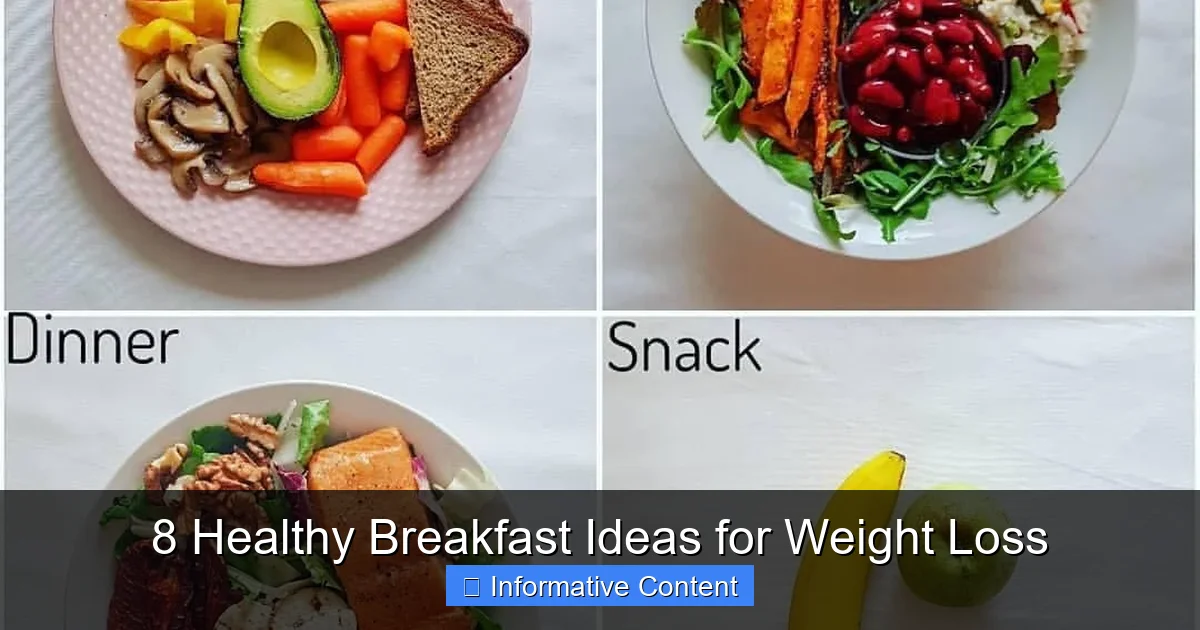
Visual guide about 8 Healthy Breakfast Ideas for Weight Loss
Image source: cdn.powerofpositivity.com
Protein: The Hunger-Busting Hero
Protein is your best friend when it comes to weight loss. It takes longer to digest than carbs, which means you stay full longer. Studies show that high-protein breakfasts reduce levels of ghrelin, the “hunger hormone,” and increase levels of peptide YY, a hormone that signals fullness. This double effect helps you eat fewer calories throughout the day without feeling deprived.
Good sources of breakfast protein include eggs, Greek yogurt, cottage cheese, tofu, and protein powder. Even plant-based options like lentils or chickpeas can be incorporated into breakfast dishes. Aim for at least 15–20 grams of protein per meal—this is enough to trigger satiety without overloading on calories.
Fiber: The Satiety Superstar
Fiber is another essential player in weight-loss-friendly breakfasts. Soluble fiber, in particular, absorbs water and forms a gel-like substance in your gut, slowing digestion and keeping you full. It also feeds the beneficial bacteria in your gut, which may play a role in weight regulation.
Whole grains like oats, quinoa, and whole-grain bread are excellent sources of fiber. Fruits, vegetables, nuts, and seeds also contribute. Try to include at least 5–7 grams of fiber in your breakfast. For example, a bowl of oatmeal with berries and chia seeds can easily hit this target.
Healthy Fats: The Satisfaction Boosters
Don’t fear fat—especially the healthy kind. Fats like those found in avocados, nuts, seeds, and olive oil add richness and flavor to your meals, making them more satisfying. They also slow the absorption of carbohydrates, preventing blood sugar spikes and crashes.
Including a small amount of healthy fat in your breakfast can help you feel more content and reduce the urge to snack. Just remember that fats are calorie-dense, so moderation is key. A quarter of an avocado or a tablespoon of nut butter is usually enough.
8 Healthy Breakfast Ideas for Weight Loss
Now that you know what makes a breakfast effective for weight loss, let’s dive into eight delicious, easy-to-make options. These ideas are designed to be balanced, satisfying, and adaptable to different tastes and dietary preferences.
1. Greek Yogurt Parfait with Berries and Nuts
This classic breakfast is a favorite for a reason. Greek yogurt is high in protein and probiotics, which support digestion and gut health. Layer it with fresh berries for antioxidants and fiber, and top with a sprinkle of nuts or seeds for healthy fats and crunch.
To make it: Use 1 cup of plain, unsweetened Greek yogurt (around 20g protein). Add ½ cup of mixed berries (blueberries, strawberries, raspberries) and 1 tablespoon of chopped almonds or walnuts. For extra fiber, stir in 1 teaspoon of chia or flaxseeds. Avoid flavored yogurts—they’re often loaded with added sugar. If you need a touch of sweetness, drizzle with a little raw honey or maple syrup (1 teaspoon max).
This breakfast is quick, no-cook, and perfect for busy mornings. You can even prep it the night before in a jar for a grab-and-go option. It’s also highly customizable—swap berries for sliced banana or mango, or use coconut yogurt for a dairy-free version.
2. Veggie-Packed Omelet with Avocado
Eggs are a powerhouse of nutrition. One large egg contains about 6 grams of high-quality protein and essential nutrients like choline, which supports brain health. When paired with vegetables and healthy fats, they make a filling, low-carb breakfast that supports weight loss.
To make it: Whisk 2–3 eggs and pour into a non-stick pan over medium heat. Add chopped spinach, bell peppers, onions, and mushrooms. Cook until eggs are set, then fold and serve with ¼ of an avocado sliced on top. Season with black pepper, turmeric, or herbs like parsley or chives.
This meal is rich in protein, fiber, and healthy fats. The vegetables add volume and nutrients without many calories, while the avocado provides monounsaturated fats that help reduce belly fat. For a vegetarian twist, add crumbled feta or goat cheese. If you’re short on time, prep the veggies the night before and store them in the fridge.
3. Overnight Oats with Chia and Almond Butter
Overnight oats are a game-changer for meal prep lovers. They require no cooking and can be customized endlessly. Oats are rich in beta-glucan, a type of soluble fiber that has been shown to reduce cholesterol and improve satiety.
To make it: In a jar or container, combine ½ cup rolled oats, 1 tablespoon chia seeds, 1 cup unsweetened almond milk (or any milk of choice), and 1 tablespoon natural almond butter. Stir well, cover, and refrigerate overnight. In the morning, top with sliced fruit, a few nuts, or a dash of cinnamon.
This breakfast is high in fiber and protein, thanks to the oats and chia seeds. The almond butter adds healthy fats and a rich, nutty flavor. It’s also naturally sweetened by the fruit, so you won’t miss added sugar. Try variations like apple cinnamon, peanut butter banana, or mixed berry. Just be mindful of portion sizes—almond butter is calorie-dense, so stick to 1 tablespoon.
4. Smoothie Bowl with Protein and Toppings
Smoothie bowls are a fun, Instagram-worthy way to enjoy a nutrient-dense breakfast. Unlike regular smoothies, they’re thick and eaten with a spoon, often topped with fruits, nuts, and seeds. This makes them more satisfying and visually appealing.
To make it: Blend 1 frozen banana, ½ cup frozen berries, 1 scoop of protein powder (whey or plant-based), 1 cup spinach (you won’t taste it!), and ½ cup unsweetened almond milk until thick. Pour into a bowl and top with sliced kiwi, granola, coconut flakes, and pumpkin seeds.
This breakfast is packed with protein, fiber, and antioxidants. The frozen fruit gives it a creamy texture without added sugar. The toppings add crunch and extra nutrients. Just watch the granola—many store-bought versions are high in sugar and calories. Opt for a low-sugar, high-fiber brand or make your own with oats, nuts, and a touch of honey.
5. Whole-Grain Toast with Avocado and Poached Egg
This trendy breakfast is more than just a fad—it’s a balanced, satisfying meal. Whole-grain toast provides complex carbohydrates and fiber, while avocado adds healthy fats and creaminess. The poached egg brings in high-quality protein and keeps you full for hours.
To make it: Toast 1 slice of 100% whole-grain bread. Mash ¼ of an avocado on top and season with salt, pepper, and a squeeze of lemon juice. Poach 1 egg and place it on top. Sprinkle with red pepper flakes or everything bagel seasoning for extra flavor.
This meal is simple, delicious, and takes less than 10 minutes. It’s also highly adaptable—swap the egg for hummus or cottage cheese if you’re vegetarian. For extra nutrients, add sliced tomatoes or microgreens. The combination of protein, fiber, and fat makes this a winner for weight loss.
6. Cottage Cheese Bowl with Fruit and Seeds
Cottage cheese is an underrated breakfast food. It’s low in calories but high in protein—about 25 grams per cup—making it one of the most protein-dense options available. It’s also rich in calcium and B vitamins.
To make it: Scoop 1 cup of low-fat cottage cheese into a bowl. Top with ½ cup of fresh fruit like pineapple, peaches, or mixed berries. Add 1 tablespoon of pumpkin seeds or sunflower seeds for crunch and healthy fats. A drizzle of honey or a sprinkle of cinnamon can add natural sweetness.
This breakfast is quick, no-cook, and incredibly filling. The protein in cottage cheese helps preserve muscle mass during weight loss, which is crucial for maintaining a healthy metabolism. It’s also a great option for people watching their carb intake. For a savory twist, skip the fruit and add cucumber, tomato, and herbs with a dash of olive oil.
7. Tofu Scramble with Veggies and Whole-Grain Toast
For a plant-based alternative to scrambled eggs, try a tofu scramble. Tofu is rich in protein and contains all nine essential amino acids. When seasoned well, it has a similar texture and flavor to scrambled eggs.
To make it: Crumble ½ block of firm tofu into a pan with a little olive oil. Add turmeric (for color and anti-inflammatory benefits), garlic powder, onion powder, and black salt (which gives an eggy flavor). Stir in chopped veggies like spinach, bell peppers, and onions. Cook until heated through. Serve with 1 slice of whole-grain toast.
This breakfast is high in protein, fiber, and plant-based nutrients. It’s also naturally low in saturated fat and cholesterol-free. Tofu is versatile—you can add black beans, salsa, or nutritional yeast for extra flavor. It’s a great option for vegans or anyone looking to reduce animal products.
8. Protein-Packed Breakfast Burrito
Breakfast burritos don’t have to be heavy or greasy. When made with the right ingredients, they can be a balanced, portable meal. Use a whole-grain tortilla, load up on veggies, and include a lean protein source.
To make it: Scramble 2 eggs or ½ cup of black beans with diced tomatoes, onions, and spinach. Wrap in a small whole-grain tortilla and top with 2 tablespoons of salsa and a sprinkle of low-fat cheese. Roll it up and enjoy warm.
This meal is balanced, filling, and easy to eat on the go. The whole-grain tortilla provides fiber, while the eggs or beans offer protein. Salsa adds flavor and antioxidants without added sugar. You can prep the filling ahead of time and reheat it in the morning. For a lower-carb option, skip the tortilla and serve the filling in a bowl.
Tips for Making These Breakfasts Work for You
Even the healthiest breakfast won’t help if it doesn’t fit into your lifestyle. Here are some practical tips to make these ideas sustainable and enjoyable.
Meal Prep for Busy Mornings
Life gets hectic, and that’s when healthy habits often fall apart. Meal prepping your breakfasts can save time and reduce stress. Overnight oats, chia puddings, and hard-boiled eggs can be made in advance. Chop veggies for omelets or scrambles on Sunday and store them in airtight containers. Pre-portion nuts, seeds, and fruit for smoothie bowls or parfaits.
Invest in good storage containers and label them with the date. Most prepped breakfasts will last 3–5 days in the fridge. This way, you can grab a healthy meal even on the busiest mornings.
Listen to Your Hunger and Fullness Cues
While these breakfasts are designed to be satisfying, everyone’s appetite is different. Some people thrive on a large, protein-rich meal, while others prefer something lighter. Pay attention to how you feel after eating. Do you feel energized? Are you still hungry an hour later? Adjust portion sizes or ingredients accordingly.
It’s also okay to skip breakfast if you’re not hungry—especially if you’re practicing intermittent fasting. The key is consistency and balance, not rigid rules.
Stay Hydrated
Hydration plays a big role in appetite control. Sometimes thirst is mistaken for hunger. Drink a glass of water when you wake up and continue sipping throughout the morning. Herbal teas or infused water can also be refreshing and low-calorie options.
Experiment and Have Fun
Don’t be afraid to mix and match ingredients. Try new fruits, spices, or protein sources. The more variety you have, the less likely you are to get bored. Healthy eating should be enjoyable, not a chore.
Foods to Avoid in the Morning
While focusing on what to include is important, it’s equally crucial to know what to limit. Many popular breakfast foods are high in added sugar, refined carbs, and unhealthy fats—ingredients that can sabotage your weight loss efforts.
Avoid sugary cereals, pastries, muffins, and flavored yogurts. These cause rapid spikes in blood sugar followed by crashes, leading to fatigue and cravings. Even “healthy” granolas can be loaded with sugar and calories. Read labels carefully and choose options with minimal ingredients and no added sugars.
Also, be cautious with fruit juices. Even 100% fruit juice is high in sugar and lacks the fiber of whole fruit. A glass of orange juice can contain the sugar of several oranges without the filling fiber. Stick to whole fruits instead.
Conclusion
Starting your day with a healthy breakfast is one of the most effective strategies for weight loss. The right meal can stabilize your metabolism, reduce cravings, and set you up for success. The eight breakfast ideas shared here—Greek yogurt parfait, veggie omelet, overnight oats, smoothie bowl, avocado toast, cottage cheese bowl, tofu scramble, and breakfast burrito—are all balanced, delicious, and easy to prepare.
Remember, consistency is key. Choose foods you enjoy, prep ahead when possible, and listen to your body. Weight loss isn’t about perfection—it’s about making small, sustainable changes that add up over time. With these healthy breakfast ideas, you’re not just feeding your body—you’re fueling your goals.
Frequently Asked Questions
What is the best breakfast for weight loss?
The best breakfast for weight loss includes protein, fiber, and healthy fats. Examples are Greek yogurt with berries, eggs with veggies, or oatmeal with nuts. These keep you full and stabilize blood sugar.
Can I eat fruit for breakfast when trying to lose weight?
Yes, fruit is a great choice. It’s rich in fiber, vitamins, and antioxidants. Pair it with protein or healthy fats to balance blood sugar and increase satiety.
Are eggs good for weight loss?
Yes, eggs are high in protein and nutrients. They help reduce hunger and support muscle maintenance, making them an excellent breakfast option for weight loss.
How can I make breakfast faster in the morning?
Prep ingredients the night before, like chopping veggies or making overnight oats. Use simple recipes with minimal steps, and keep healthy staples on hand.
Is it okay to drink coffee with breakfast?
Yes, coffee can be part of a healthy breakfast. Avoid adding sugar or creamers high in fat and calories. Black coffee or with a splash of milk is best.
Can I eat the same breakfast every day and still lose weight?
Yes, as long as it’s balanced and fits your calorie needs. However, variety ensures you get a wide range of nutrients and prevents boredom.