
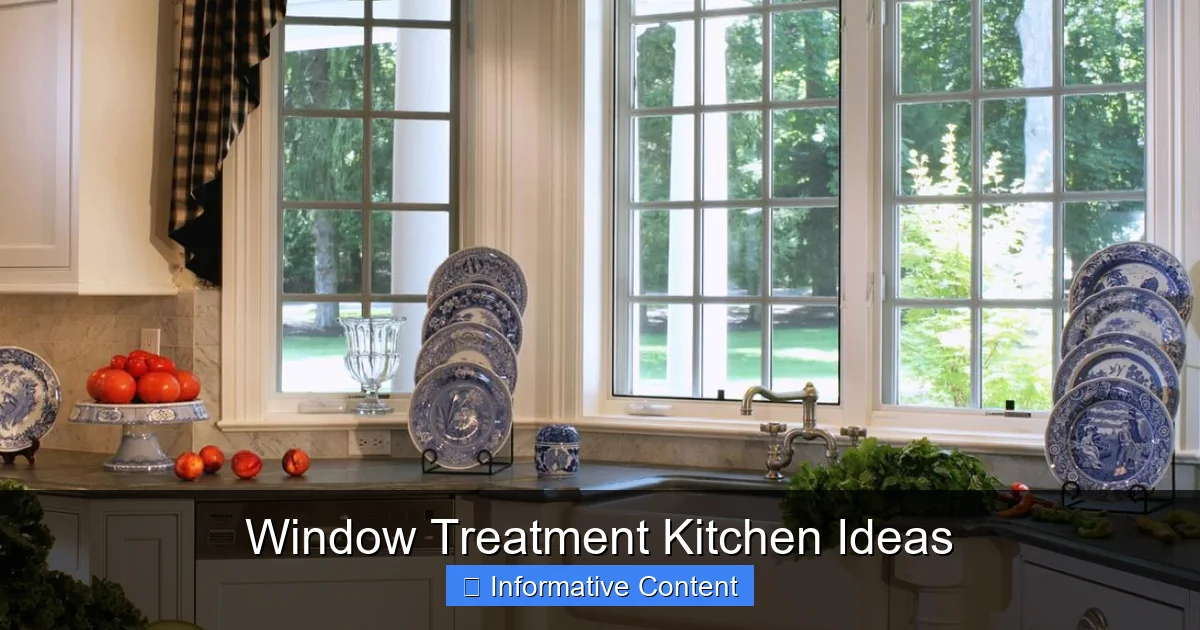
Choosing the right window treatment for your kitchen can transform the space, balancing style, functionality, and natural light. From sleek blinds to charming curtains, the right choice enhances privacy, energy efficiency, and overall ambiance.
Your kitchen is more than just a place to cook—it’s the heart of the home. It’s where meals are prepared, families gather, and memories are made. With so much activity happening in this space, it’s essential that every detail, including your window treatments, supports both function and style. Window treatment kitchen ideas go beyond mere decoration; they play a crucial role in controlling light, ensuring privacy, improving energy efficiency, and enhancing the overall aesthetic of your kitchen.
When selecting window treatments for your kitchen, it’s important to consider the unique challenges this room presents. Kitchens are prone to moisture from steam, splatters from cooking, and exposure to heat from appliances. This means your window coverings need to be durable, easy to clean, and resistant to warping or staining. At the same time, you don’t want to sacrifice beauty for practicality. The good news is that today’s market offers a wide range of stylish and functional options that meet both needs.
Whether you’re working with a small galley kitchen or a spacious open-concept layout, the right window treatment can make a big difference. It can soften harsh sunlight, add a pop of color, or create a sense of coziness. From minimalist roller shades to charming cafe curtains, there’s a solution for every taste and budget. In this guide, we’ll explore the best window treatment kitchen ideas, helping you find the perfect balance between form and function.
Key Takeaways
- Functionality is key: Kitchens need window treatments that resist moisture, grease, and heat while offering easy cleaning and maintenance.
- Light control matters: Adjustable options like blinds or shades let you manage sunlight and glare during cooking and dining.
- Privacy without sacrificing style: Frosted films, sheer curtains, or top-down bottom-up shades offer privacy while keeping the room bright.
- Material choice impacts durability: Opt for moisture-resistant fabrics like polyester, vinyl, or treated cotton to withstand kitchen conditions.
- Style complements kitchen design: Match your window treatment to your kitchen’s aesthetic—modern, farmhouse, or traditional—for a cohesive look.
- Energy efficiency benefits: Insulated cellular shades or thermal curtains can reduce heat loss and lower energy bills.
- Easy installation and operation: Choose treatments that are simple to install and operate, especially in hard-to-reach kitchen windows.
Quick Answers to Common Questions
What is the best window treatment for a kitchen with high humidity?
Moisture-resistant options like vinyl blinds, polyester roller shades, or cellular shades are ideal for high-humidity kitchens. Avoid untreated natural fabrics that can mildew.
Can I use curtains in my kitchen?
Yes, but choose machine-washable, stain-resistant fabrics like polyester or treated cotton. Cafe curtains are a popular and practical choice.
Do window treatments help with energy efficiency in kitchens?
Yes, insulated options like cellular shades or thermal curtains can reduce heat loss in winter and keep the kitchen cooler in summer.
Are motorized window treatments worth it for kitchens?
Motorized shades offer convenience, especially for hard-to-reach windows. They’re a great investment if you value ease of use and modern functionality.
How do I clean kitchen window treatments?
Blinds and shades can be wiped with a damp cloth. Fabric treatments should be machine washed or spot cleaned according to care instructions.
📑 Table of Contents
Understanding the Needs of Kitchen Window Treatments
Before diving into specific styles and materials, it’s important to understand what makes kitchen window treatments unique. Unlike living rooms or bedrooms, kitchens have specific environmental factors that influence your choice of window coverings. These include high humidity, exposure to cooking oils and grease, frequent cleaning, and varying light conditions throughout the day.
One of the biggest challenges in kitchen window treatment is moisture. Steam from boiling water, dishwashers, or humidifiers can cause fabric-based treatments to mildew or warp over time. Similarly, splatters from frying or sautéing can leave stubborn stains on curtains or drapes. This means that materials like untreated cotton or delicate lace may not be the best choice unless they’re specifically designed for high-moisture environments.
Heat is another consideration. Kitchens often get warmer than other rooms due to ovens, stovetops, and dishwashers. Window treatments that trap heat or absorb it can make the space feel stuffy. On the flip side, some treatments can actually help insulate the room, keeping it cooler in summer and warmer in winter—this is especially useful if your kitchen has large windows or faces direct sunlight.
Light control is also a major factor. Natural light is wonderful, but too much can create glare on countertops or make it difficult to see your screen if you’re watching a cooking video. Conversely, too little light can make the space feel dark and uninviting. The ideal window treatment allows you to adjust the amount of light entering the room with ease.
Finally, ease of use and maintenance are critical. You don’t want to struggle with heavy drapes or complex mechanisms every time you want to open or close your window. Similarly, treatments should be easy to clean—whether that means wiping them down with a damp cloth or tossing them in the washing machine.
By keeping these needs in mind, you can narrow down your options and choose a window treatment that truly works for your kitchen.
Top Window Treatment Options for Kitchens
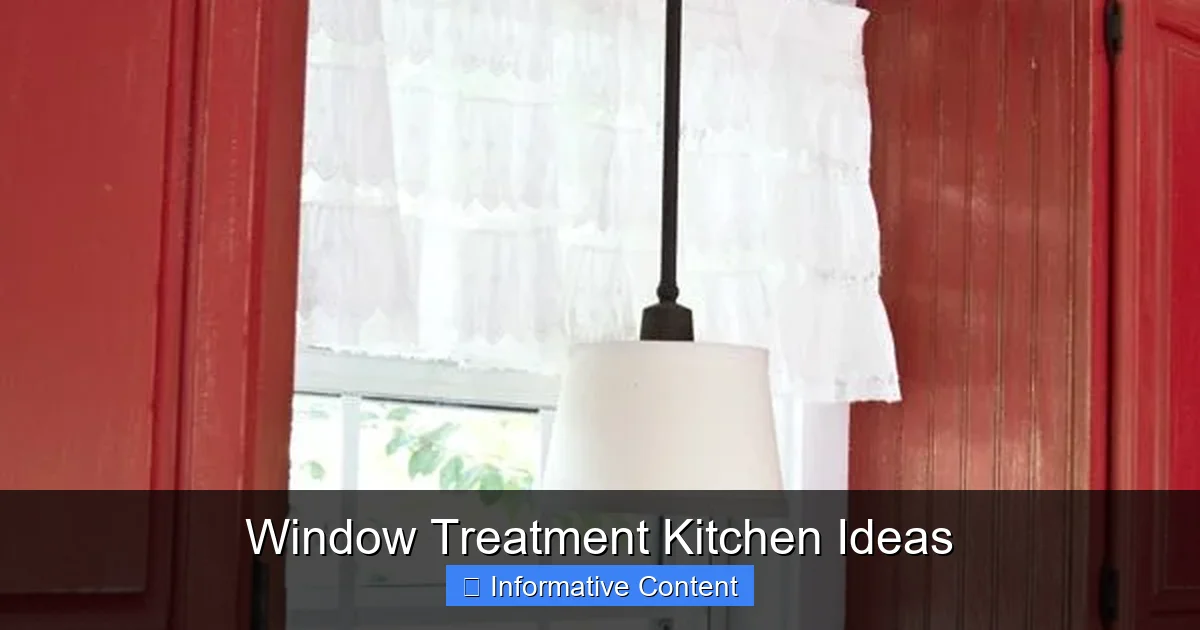
Visual guide about Window Treatment Kitchen Ideas
Image source: hative.com
Now that we’ve covered the basics, let’s explore some of the most popular and effective window treatment kitchen ideas. Each option has its own strengths, so the best choice depends on your specific needs, style preferences, and kitchen layout.
Blinds: Versatile and Practical
Blinds are one of the most popular choices for kitchen windows, and for good reason. They offer excellent light control, are easy to clean, and come in a variety of materials and styles. Horizontal blinds, such as aluminum or faux wood, are especially common in kitchens because they’re durable and resistant to moisture.
Aluminum blinds are lightweight, affordable, and come in a range of colors to match your decor. They’re also easy to wipe clean with a damp cloth, making them ideal for kitchens where grease and dust are common. Faux wood blinds offer a warmer, more natural look while still being moisture-resistant—perfect for farmhouse or traditional kitchens.
For a more modern touch, consider vertical blinds. These are great for large windows or sliding glass doors and can be adjusted to let in light from the top, bottom, or sides. They’re also less likely to collect dust and are easy to maintain.
One tip when choosing blinds: opt for a tilt mechanism that allows you to angle the slats for privacy without blocking natural light. This is especially useful in kitchens where you want to keep the space bright but don’t want passersby seeing inside.
Roller Shades: Sleek and Space-Saving
Roller shades are another excellent option for kitchens. They’re compact, stylish, and available in a wide range of fabrics and patterns. Unlike blinds, roller shades don’t have slats, which means fewer places for grease and dust to accumulate.
For kitchens, look for roller shades made from moisture-resistant materials like vinyl, polyester, or treated cotton. Blackout roller shades are great if you want to block out light completely—ideal for early morning cooking or if your kitchen faces a busy street. On the other hand, light-filtering shades allow soft, diffused light to enter, creating a warm and inviting atmosphere.
Motorized roller shades are a modern upgrade that adds convenience. With a remote or smartphone app, you can adjust your shades without leaving the counter. This is especially helpful for hard-to-reach windows or if you have mobility issues.
One stylish trend is patterned roller shades. A bold geometric print or subtle texture can add personality to your kitchen without overwhelming the space. Just be sure to choose a pattern that complements your existing decor.
Roman Shades: Elegant and Functional
If you’re looking for a softer, more elegant look, Roman shades are a fantastic choice. These fabric shades fold up neatly when raised, creating a clean, tailored appearance. They’re available in a variety of fabrics, from lightweight linens to heavier thermal materials.
For kitchens, opt for Roman shades made from synthetic blends that resist moisture and stains. Look for options with a protective coating or those labeled as “kitchen-safe.” These will hold up better against steam and splatters.
One advantage of Roman shades is their ability to provide insulation. Thermal Roman shades can help regulate temperature, keeping your kitchen cooler in summer and warmer in winter. This not only improves comfort but can also reduce energy costs.
When it comes to style, Roman shades offer endless possibilities. You can choose solid colors, subtle textures, or even custom prints to match your kitchen’s theme. For a cohesive look, consider matching the shade fabric to your upholstery, towels, or even your backsplash.
Cafe Curtains: Charming and Cozy
Cafe curtains are a classic choice for kitchens, especially in country, cottage, or farmhouse-style homes. These short curtains cover only the lower half of the window, allowing natural light to flood in from the top while maintaining privacy below.
One of the biggest benefits of cafe curtains is their simplicity. They’re easy to install, affordable, and come in a wide range of fabrics and patterns. Cotton, linen, and polyester blends are all great options—just make sure the fabric is machine washable for easy cleaning.
For a charming touch, consider lace or eyelet cafe curtains. These add a delicate, airy feel to the kitchen and pair beautifully with vintage or rustic decor. Alternatively, solid-colored curtains in a coordinating hue can create a clean, modern look.
Cafe curtains work well in small kitchens where you want to maximize light and avoid clutter. They’re also ideal for windows above the sink, where full-length curtains might get in the way.
Frosted Window Films: Modern and Minimalist
If you’re looking for a no-fuss solution, frosted window films are a sleek and modern option. These adhesive films are applied directly to the glass and provide privacy without blocking light. They’re perfect for kitchens with street-facing windows or open floor plans where you want to maintain an open feel.
Frosted films come in various patterns and levels of opacity, from subtle textures to bold designs. Some even mimic the look of etched or stained glass, adding a decorative element to your windows.
One major advantage of window films is that they require no hardware or installation beyond cleaning the glass and applying the film. They’re also easy to replace if you want to change the look later.
While films don’t offer adjustable light control like blinds or shades, they’re a great low-maintenance option for kitchens where privacy is the main concern.
Top-Down Bottom-Up Shades: Ultimate Flexibility
Top-down bottom-up (TDBU) shades are a game-changer for kitchen windows. These innovative shades can be opened from the top, the bottom, or both, giving you complete control over light and privacy.
For example, you can lower the shade from the top to let in natural light while keeping the lower portion covered for privacy. Or, you can raise it from the bottom to allow light in from below while blocking the view from outside. This flexibility is especially useful in kitchens with windows at different heights or near countertops.
TDBU shades are available in a variety of materials, including cellular, roller, and Roman styles. Cellular shades, in particular, offer excellent insulation and energy efficiency, making them a smart choice for temperature control.
While they may be slightly more expensive than traditional shades, the added functionality and modern appeal make them worth the investment for many homeowners.
Choosing the Right Material for Your Kitchen
The material of your window treatment plays a big role in its performance and longevity in the kitchen. As mentioned earlier, kitchens demand materials that can withstand moisture, heat, and frequent cleaning. Here’s a breakdown of the best materials for kitchen window treatments.
Polyester and Synthetic Blends
Polyester is a top choice for kitchen window treatments because it’s durable, resistant to moisture, and easy to clean. It doesn’t absorb water like natural fibers, which helps prevent mildew and warping. Many polyester fabrics are also treated to resist stains and fading, making them ideal for high-traffic areas like kitchens.
Synthetic blends, which combine polyester with other fibers like acrylic or nylon, offer even greater durability and wrinkle resistance. These materials are often used in roller shades, Roman shades, and cafe curtains.
Vinyl and Faux Wood
Vinyl is another excellent option, especially for blinds and roller shades. It’s completely waterproof, making it perfect for areas near sinks or stoves. Vinyl blinds can be wiped clean with a damp cloth and won’t warp or discolor over time.
Faux wood blinds mimic the look of real wood but are made from composite materials that resist moisture and humidity. They’re a great alternative if you love the warmth of wood but need something more practical for the kitchen.
Treated Cotton and Linen
While natural fibers like cotton and linen are beautiful, they’re not always the best choice for kitchens unless they’re specially treated. Look for fabrics labeled as “stain-resistant” or “moisture-resistant” if you want to use them in your kitchen.
Treated cotton and linen can work well for cafe curtains or Roman shades, especially if they’re machine washable. Just be sure to follow care instructions carefully to maintain their appearance.
Cellular (Honeycomb) Shades
Cellular shades are made from pleated fabric that traps air, providing excellent insulation. They’re available in single, double, or triple-cell constructions, with more cells offering better energy efficiency.
For kitchens, choose cellular shades with a moisture-resistant fabric. Many are designed specifically for high-humidity areas and can be easily wiped clean.
Styling Tips for Kitchen Window Treatments
Once you’ve chosen the right type and material, it’s time to think about style. The right window treatment can tie your kitchen decor together and create a cohesive, inviting space.
Match Your Kitchen’s Aesthetic
Your window treatment should complement your kitchen’s overall design. For a modern kitchen, sleek roller shades or minimalist blinds in neutral tones work well. In a farmhouse kitchen, cafe curtains with gingham or floral patterns add charm. Traditional kitchens might benefit from elegant Roman shades in rich fabrics.
Use Color and Pattern Wisely
Color can transform a kitchen. A bold shade in a coordinating hue can add a pop of personality, while neutral tones create a calming backdrop. Patterns should be used sparingly—too much can overwhelm the space. Consider using a patterned shade or curtain as an accent, paired with solid-colored accessories.
Layer for Depth and Function
Layering window treatments can add depth and functionality. For example, pair sheer curtains with blackout roller shades to control light and privacy. Or, use cafe curtains under a valance for a layered, cozy look.
Consider Hardware and Finishing Touches
Don’t overlook the hardware. Curtain rods, brackets, and tiebacks should match your kitchen’s style. For a polished look, choose rods that extend beyond the window frame to make the window appear larger.
Installation and Maintenance Tips
Proper installation and maintenance are key to getting the most out of your window treatments.
Measure Accurately
Always measure your windows carefully before purchasing. For inside mounts, measure the width and height of the window opening. For outside mounts, measure the area you want to cover, adding a few inches on each side for full coverage.
Choose Easy-to-Clean Options
Look for treatments that are machine washable or can be wiped clean. Avoid delicate fabrics that require dry cleaning.
Regular Cleaning
Dust and wipe down blinds and shades weekly. Wash curtains and fabric shades according to the manufacturer’s instructions.
Conclusion
Choosing the right window treatment for your kitchen doesn’t have to be overwhelming. By focusing on functionality, durability, and style, you can find a solution that enhances your space and meets your daily needs. Whether you prefer the sleek look of roller shades, the charm of cafe curtains, or the modern appeal of frosted films, there’s a perfect option for every kitchen.
Remember to consider your kitchen’s unique challenges—moisture, heat, and frequent cleaning—and choose materials and styles that can stand up to them. With the right window treatment, your kitchen can be both beautiful and practical, a true heart of the home.
Frequently Asked Questions
What window treatment is best for a small kitchen?
Light-filtering roller shades or cafe curtains are ideal for small kitchens. They maximize natural light and don’t overwhelm the space.
Can I install window treatments myself?
Yes, most blinds, shades, and curtains come with easy-to-follow instructions. Basic tools like a drill and level are usually all you need.
Are blackout shades suitable for kitchens?
Blackout shades can be useful if your kitchen gets intense sunlight or if you need complete privacy, but they may make the room feel dark during the day.
How often should I replace kitchen window treatments?
With proper care, most treatments last 5–10 years. Replace them if they show signs of wear, discoloration, or damage.
Do window treatments affect home value?
Stylish, functional window treatments can enhance curb appeal and interior design, potentially increasing your home’s value.
Can I mix different window treatments in one kitchen?
Yes, as long as they complement each other in style and color. For example, use matching blinds on all windows but add a patterned valance for variety.