
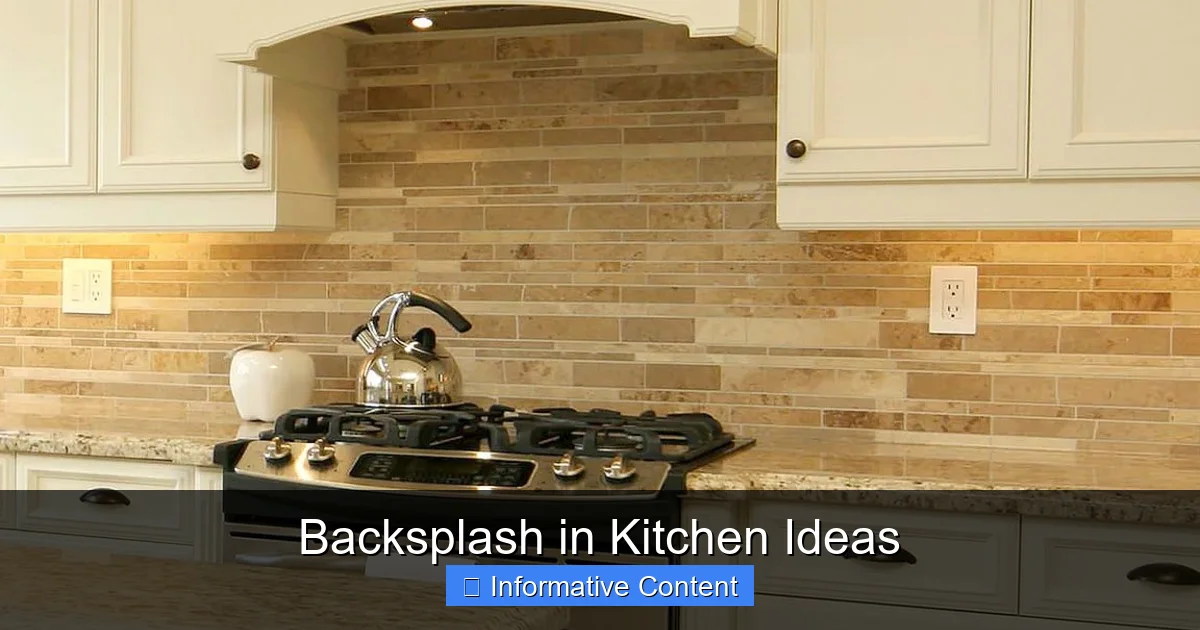
A kitchen backsplash isn’t just practical—it’s a design statement. Whether you’re renovating or refreshing, the right backsplash adds color, texture, and personality while protecting your walls. With endless materials, patterns, and layouts to choose from, finding the perfect fit is easier than ever.
Key Takeaways
- Understanding backsplash in kitchen ideas: Provides essential knowledge
Quick Answers to Common Questions
What is the purpose of a kitchen backsplash?
A backsplash protects walls from water, grease, and food splatters while adding style and making cleanup easier.
Can I install a backsplash myself?
Yes, especially with peel-and-stick or ceramic tiles. More complex materials like stone or glass are best left to professionals.
What’s the most durable backsplash material?
Stainless steel and porcelain tiles are highly durable and resistant to heat, moisture, and stains.
How high should a backsplash be?
Standard height is 4 inches above the counter, but full-height (to the cabinet) or even ceiling-height designs are trendy and functional.
Are peel-and-stick backsplashes waterproof?
Most are water-resistant and suitable for kitchens, but avoid direct, prolonged exposure to high heat or standing water.
📑 Table of Contents
Why a Kitchen Backsplash Matters
When it comes to kitchen design, the backsplash often gets overlooked—but it shouldn’t. It’s one of the most functional and visually impactful elements in the room. Every time you cook, splash water, or wipe down counters, your backsplash is working hard behind the scenes. But beyond its practical role, it’s also a golden opportunity to express your style.
Think about it: the area behind your stove, sink, and countertops sees more action than almost any other part of your kitchen. Without protection, grease, water, and food stains can damage paint and drywall over time. A good backsplash acts as a shield, making cleanup easier and extending the life of your walls. But it doesn’t have to be boring. In fact, the right backsplash can become the focal point of your kitchen—tying together colors, textures, and themes in a way that feels cohesive and intentional.
From sleek modern designs to rustic farmhouse charm, the backsplash is your canvas. Whether you’re going for a minimalist look with subway tiles or making a bold statement with geometric patterns, this small space packs a big punch. And the best part? You don’t need a full renovation to upgrade it. Even a simple swap can refresh your entire kitchen vibe.
Popular Backsplash Materials and Their Benefits
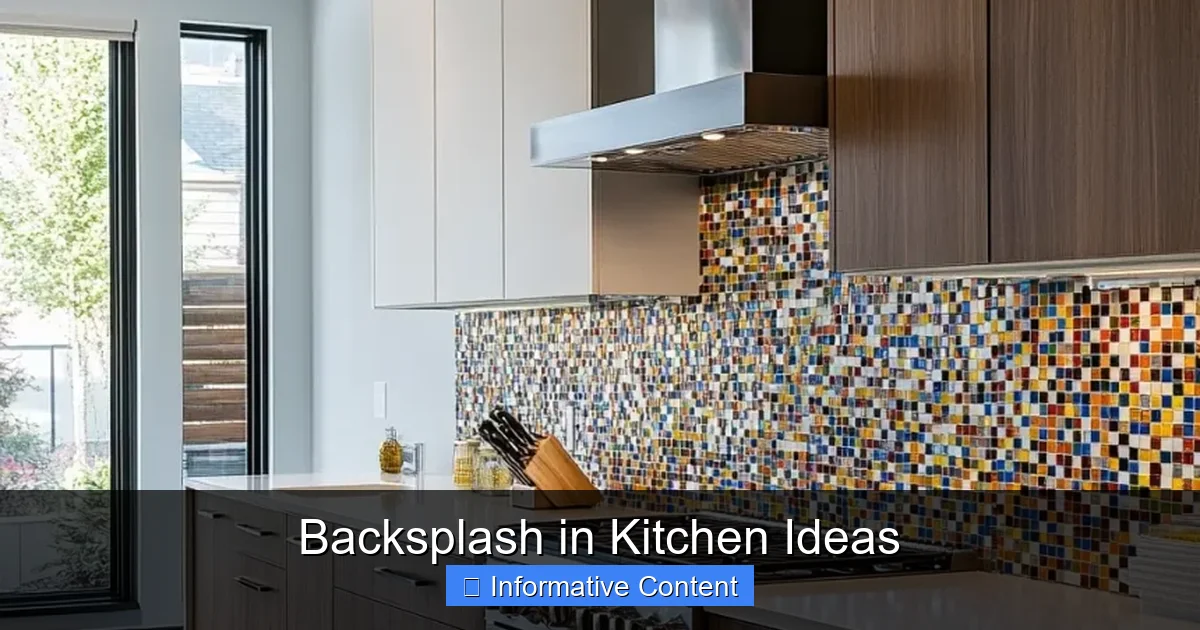
Visual guide about Backsplash in Kitchen Ideas
Image source: napervilleroofingandconstruction.com
Choosing the right material is one of the most important decisions when planning your backsplash. Each option brings its own look, feel, and level of durability. Let’s break down the most popular choices so you can pick what works best for your lifestyle and design goals.
Ceramic and Porcelain Tiles
Ceramic and porcelain tiles are classic for a reason. They’re affordable, widely available, and come in nearly every color, shape, and finish imaginable. Ceramic is great for everyday use—it’s easy to clean and resists moisture, making it ideal for kitchens. Porcelain is even tougher, with lower water absorption, so it’s perfect for high-traffic areas.
One of the biggest advantages? You can mix and match patterns. Try a herringbone layout with white subway tiles for a timeless look, or go bold with colorful Moroccan-inspired designs. These tiles also work well with grout that’s sealed properly, preventing mold and mildew. Just remember: lighter grout can stain over time, so consider darker shades or epoxy grout for longevity.
Glass Tiles
If you love a modern, reflective finish, glass tiles might be your match. They come in sheets or individual pieces and can be clear, frosted, or colored. Glass reflects light beautifully, making small kitchens feel brighter and more open. It’s also non-porous, so it resists stains and bacteria—perfect for food prep zones.
Glass tiles work especially well in contemporary or minimalist kitchens. Try a sleek blue mosaic behind a stainless steel range, or go for a mirrored finish to add depth. Installation can be a bit trickier than ceramic, so hiring a pro is often worth it. And while they’re easy to clean, they can show water spots, so a quick wipe-down after cooking helps maintain that shine.
Stainless Steel
For a sleek, industrial look, stainless steel is hard to beat. It’s durable, heat-resistant, and incredibly easy to wipe down—ideal for busy cooks. Many homeowners pair it with stainless steel appliances for a cohesive, professional appearance.
One thing to note: stainless steel can show fingerprints and scratches, so it requires regular maintenance. But if you’re okay with a little upkeep, it’s a fantastic choice for modern or urban-style kitchens. You can find it in sheets, tiles, or even textured finishes for added visual interest.
Natural Stone
Stone backsplashes—like marble, granite, or slate—bring natural elegance to any kitchen. Each piece is unique, with veining and texture that add character. Marble, in particular, is a favorite for its luxurious look, though it’s more porous and requires sealing to prevent stains.
If you love the look of stone but worry about maintenance, consider using it in smaller sections or as an accent. A marble slab behind the stove creates a stunning focal point without covering the entire wall. Just be sure to clean spills quickly and reseal annually to keep it looking its best.
Peel-and-Stick Tiles
Not ready for a full renovation? Peel-and-stick tiles are a game-changer. These adhesive-backed options mimic the look of real tile, stone, or metal—without the mess or cost. They’re perfect for renters or anyone wanting a quick, reversible update.
Modern peel-and-stick tiles are surprisingly durable and water-resistant. Brands like Smart Tiles and Aspect offer realistic textures and patterns, from subway to hexagon. Just make sure your wall is clean, smooth, and dry before applying. And while they’re not meant to last decades, they’re a fantastic temporary solution or budget-friendly upgrade.
Design Ideas to Inspire Your Backsplash
Now that you know the materials, let’s talk style. Your backsplash is more than functional—it’s a design feature that can elevate your entire kitchen. Here are some creative ideas to spark your imagination.
Subway Tile with a Twist
The classic subway tile never goes out of style, but that doesn’t mean it has to be boring. Try laying them in a herringbone or vertical stack pattern for a fresh take. Or swap white for a soft sage green or warm terracotta to add subtle color.
You can also mix materials—pair subway tiles with a contrasting border or use a different tile shape in the same color family. For example, combine rectangular subway tiles with small hexagons near the sink for a layered effect.
Bold Patterns and Colors
Ready to make a statement? Go bold with patterned tiles. Think geometric designs, floral motifs, or even hand-painted ceramics. A vibrant backsplash can anchor your kitchen’s color scheme and become a conversation starter.
If full coverage feels overwhelming, try a patterned accent strip between solid tiles. Or use a bold design only behind the stove, where it’ll get the most attention. Pair with neutral cabinets and countertops to let the backsplash shine.
Mixed Materials for Texture
Why stick to one material when you can mix? Combine tile with metal, wood, or stone for a dynamic, layered look. For example, use stainless steel behind the stove for easy cleaning and tile elsewhere for warmth.
Another idea: install a wood plank backsplash in a rustic kitchen. It adds natural texture and pairs beautifully with butcher block counters. Just seal it well to protect against moisture.
Metallic Accents
Add a touch of glam with metallic finishes. Copper, brass, or gold tiles can bring warmth and sophistication. Use them sparingly—like a single row of copper subway tiles—to avoid overwhelming the space.
Metallic peel-and-stick options are also available, making it easy to experiment without commitment. These work well in modern, industrial, or even bohemian kitchens.
Full-Height Backsplashes
Take your backsplash from counter to ceiling for a dramatic effect. This “full-height” look creates a seamless, luxurious appearance and makes the room feel taller. It’s especially striking with large-format tiles or slabs of stone.
This style works best in open-concept kitchens or spaces with high ceilings. Just be sure to balance it with simpler cabinetry so the design doesn’t feel too heavy.
How to Choose the Right Backsplash for Your Kitchen
With so many options, how do you pick the right one? Start by considering your lifestyle, budget, and overall kitchen style.
First, think about how you use your kitchen. If you cook often and want easy cleanup, prioritize non-porous materials like glass or stainless steel. If you love DIY projects, peel-and-stick tiles might be perfect.
Next, consider your color palette. Do you want the backsplash to blend in or stand out? A neutral tile can complement bold cabinets, while a colorful pattern can add energy to a monochrome space.
Also, think about maintenance. Natural stone and porous tiles need regular sealing, while glass and metal are low-maintenance. Choose based on how much time you’re willing to spend on upkeep.
Finally, don’t forget about grout. It’s not just functional—it affects the overall look. Wide grout lines create a more rustic feel, while narrow lines look sleek and modern. And remember: darker grout hides stains better than light shades.
Installation Tips and DIY vs. Professional Help
Installing a backsplash can be a rewarding DIY project—or a job best left to the pros. It depends on the material, your skill level, and the complexity of the design.
DIY-Friendly Options
Peel-and-stick tiles are the easiest to install. Just measure, cut, and stick. No mortar, no mess. They’re great for beginners or renters.
Ceramic tiles are also manageable for confident DIYers. You’ll need tile adhesive, a notched trowel, spacers, and a tile cutter. Take your time measuring and leveling to avoid crooked lines.
When to Call a Pro
Glass, stone, and large-format tiles often require professional installation. They’re heavier, more fragile, and need precise cutting. A pro will also ensure proper sealing and waterproofing.
If your walls aren’t perfectly flat or you’re dealing with electrical outlets, a contractor can handle the tricky parts safely.
Prep Work Matters
No matter who installs it, proper prep is key. Clean the wall thoroughly, repair any damage, and apply a primer if needed. For tile, use a backer board for extra stability.
Also, plan your layout before you start. Dry-fit tiles to see how they’ll look, and mark guidelines with a level to keep everything straight.
Budgeting for Your Backsplash Project
Backsplashes can range from under $100 to several thousand dollars, depending on materials and labor. Here’s how to plan your budget.
Low-Cost Options
Peel-and-stick tiles start around $1–$3 per square foot. Ceramic tiles are also affordable, typically $2–$5 per tile. DIY installation saves on labor costs.
Mid-Range Choices
Glass and porcelain tiles fall in the $5–$15 per square foot range. If you hire a pro, expect to pay $50–$100 per hour for installation.
High-End Materials
Natural stone, custom mosaics, and full-height designs can cost $20–$50 per square foot or more. Labor for complex patterns or large areas adds up quickly.
Hidden Costs
Don’t forget grout, sealant, tools, and potential wall repairs. Also, factor in time—DIY projects take longer, especially if you’re learning as you go.
To save money, consider using a premium material only in a focal area, like behind the stove, and cheaper tiles elsewhere.
Maintaining Your Backsplash
A beautiful backsplash stays that way with regular care. Here’s how to keep it looking fresh.
Daily Cleaning
Wipe down with a damp cloth and mild soap after cooking. Avoid abrasive scrubbers on glass or metal to prevent scratches.
Deep Cleaning
Once a month, clean grout with a baking soda and water paste. For stone, use a pH-neutral cleaner and reseal annually.
Preventing Damage
Use splatter guards while frying, and clean spills quickly—especially on porous surfaces. For peel-and-stick tiles, avoid excessive heat near the stove.
Conclusion
Your kitchen backsplash is more than a practical necessity—it’s a chance to infuse personality, style, and functionality into one of the most-used rooms in your home. Whether you go for timeless subway tiles, bold patterns, or sleek metal, the right choice can transform your space.
With so many materials, colors, and layouts to explore, the possibilities are endless. And thanks to budget-friendly options like peel-and-stick tiles, upgrading your backsplash doesn’t have to break the bank.
Take your time, consider your needs, and don’t be afraid to experiment. A well-chosen backsplash doesn’t just protect your walls—it tells a story about your taste, your lifestyle, and your love for a beautiful kitchen.
Frequently Asked Questions
What is the best backsplash for a small kitchen?
Light-colored or reflective materials like glass or glossy white tiles make small kitchens feel larger and brighter. Avoid dark or busy patterns that can overwhelm the space.
Can I put a backsplash over existing tile?
It’s possible, but not recommended. The surface must be clean, smooth, and properly primed. For best results, remove old tile and start with a flat wall.
How do I clean grout on my backsplash?
Mix baking soda and water into a paste, apply to grout lines, scrub with a toothbrush, and rinse. For tough stains, use a vinegar solution (avoid on natural stone).
What backsplash goes well with white cabinets?
White cabinets pair beautifully with subway tiles, gray stone, or bold patterned tiles in navy, black, or sage green for contrast.
Is a backsplash necessary in a kitchen?
While not legally required, a backsplash is highly recommended to protect walls from moisture and stains, especially near sinks and stoves.
Can I use wallpaper as a backsplash?
Regular wallpaper isn’t suitable, but there are waterproof, wipeable wallpaper options designed for kitchens. They’re less durable than tile but offer a quick style update.