
Meal prepping is a game-changer for weight loss, helping you stay consistent, avoid unhealthy choices, and save time during busy weeks. These 12 meal prep ideas for weight loss are designed to be balanced, flavorful, and easy to prepare in bulk—so you can eat well without the daily hassle.
Key Takeaways
- Plan ahead: Successful weight loss starts with planning your meals in advance to avoid impulsive eating.
- Focus on balance: Combine lean protein, complex carbs, and healthy fats in every meal for sustained energy and fullness.
- Batch cook staples: Prepare grains, proteins, and roasted veggies in bulk to mix and match throughout the week.
- Portion control matters: Use containers to pre-portion meals, helping you manage calorie intake effortlessly.
- Keep it flavorful: Use herbs, spices, and healthy sauces to make healthy eating enjoyable and satisfying.
- Stay flexible: Rotate recipes weekly to prevent boredom and ensure a variety of nutrients.
- Prep smart, not hard: Choose recipes with overlapping ingredients to save time and reduce waste.
Quick Answers to Common Questions
Can I freeze meal prep meals?
Yes! Most meal prep ideas like soups, stews, grain bowls, and egg muffins freeze well for up to 3 months. Just make sure to cool completely before freezing and use freezer-safe containers.
How long do meal prep meals last in the fridge?
Most cooked meals stay fresh for 3–5 days in the fridge. Soups and stews may last up to 5 days, while salads and fresh toppings are best eaten within 3 days.
Do I need special containers for meal prep?
Not necessarily, but BPA-free, airtight containers with compartments help keep ingredients separate and make portioning easier. Glass containers are a great eco-friendly option.
Can I meal prep on a budget?
Absolutely! Buy in bulk, choose seasonal produce, and use affordable proteins like eggs, lentils, and canned beans. Planning reduces food waste and saves money.
What if I get bored of the same meals?
Rotate recipes weekly, experiment with new spices and sauces, and involve friends or family in meal planning. Variety keeps things exciting and sustainable.
📑 Table of Contents
- Why Meal Prep Is Essential for Weight Loss
- 1. High-Protein Breakfast Bowls
- 2. Mason Jar Salads
- 3. Sheet Pan Dinners
- 4. Overnight Oats and Chia Pudding
- 5. Grain Bowls with Lean Protein
- 6. Stir-Fry in a Snap
- 7. Stuffed Bell Peppers
- 8. Lentil and Vegetable Soups
- 9. Egg Muffins
- 10. Zucchini Noodles with Lean Protein
- 11. Turkey and Veggie Meatballs
- 12. Smoothie Packs
- Tips for Successful Meal Prep
- Conclusion
Why Meal Prep Is Essential for Weight Loss
Let’s be real—losing weight isn’t just about eating less. It’s about eating smarter, consistently, and without the stress of last-minute decisions. That’s where meal prep comes in. When you plan and prepare your meals ahead of time, you’re less likely to grab fast food, snack mindlessly, or overeat out of hunger. Meal prep gives you control over your ingredients, portions, and timing—three key factors in successful weight loss.
Think of meal prep like setting yourself up for success. Instead of staring into the fridge at 7 p.m. wondering what to cook, you’ve already got a healthy, delicious meal ready to go. This simple shift reduces decision fatigue and keeps you aligned with your goals, even on the busiest days. Plus, when you cook at home, you know exactly what’s in your food—no hidden sugars, excess sodium, or unhealthy fats.
But meal prep doesn’t have to mean hours in the kitchen or eating the same bland chicken and rice every day. With the right strategies and a few go-to recipes, you can enjoy variety, flavor, and convenience all at once. The 12 meal prep ideas for weight loss below are designed to be simple, satisfying, and sustainable—so you can stick with them long-term.
1. High-Protein Breakfast Bowls
Visual guide about 12 Meal Prep Ideas for Weight Loss
Image source: thediabetescouncil.com
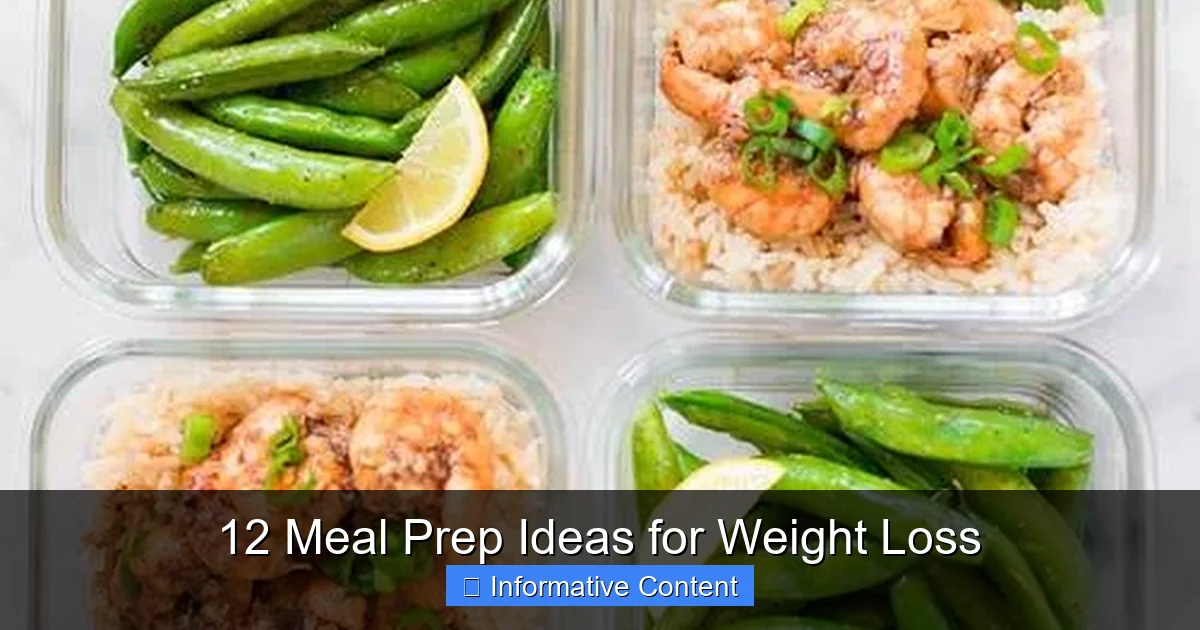
Starting your day with a high-protein breakfast helps stabilize blood sugar, reduces cravings, and keeps you full longer. Breakfast bowls are perfect for meal prep because they’re customizable, nutrient-dense, and can be made in large batches.
How to Build a Balanced Breakfast Bowl
A great breakfast bowl includes three key components: protein, fiber-rich carbs, and healthy fats. For protein, try scrambled eggs, Greek yogurt, or tofu. Add complex carbs like oats, quinoa, or sweet potatoes. Top with fiber-packed fruits like berries or banana slices, and include a source of healthy fat such as chia seeds, almond butter, or avocado.
For example, a popular option is a Greek yogurt bowl with mixed berries, a sprinkle of granola (choose a low-sugar version), and a drizzle of honey. Another favorite is a savory bowl with scrambled eggs, roasted sweet potatoes, black beans, and a sprinkle of feta cheese. These combinations keep you energized and satisfied until lunch.
Meal Prep Tips for Breakfast Bowls
Prep your ingredients on Sunday. Cook a batch of quinoa or sweet potatoes, hard-boil a dozen eggs, and portion out Greek yogurt into containers. Store fruits separately to prevent sogginess. In the morning, assemble your bowl in under 5 minutes. You can also freeze portions of oatmeal or overnight oats for up to a month—just thaw overnight in the fridge.
2. Mason Jar Salads
Salads are a staple for weight loss, but they can get soggy and unappetizing if prepped incorrectly. Mason jar salads solve this problem by layering ingredients strategically to keep everything fresh and crisp.
The Layering Method
Start with the dressing at the bottom—this prevents it from soaking into the greens. Use a light vinaigrette or lemon-tahini sauce. Next, add hearty vegetables like cucumbers, carrots, or bell peppers. Then layer in proteins such as grilled chicken, chickpeas, or hard-boiled eggs. Add grains like quinoa or farro, followed by softer veggies like cherry tomatoes or shredded cabbage. Top with leafy greens like spinach or arugula. Seal the jar and store in the fridge for up to 5 days.
When you’re ready to eat, simply shake the jar and pour into a bowl. The ingredients stay separated until you’re ready to enjoy them, so your salad stays crisp and flavorful.
Flavorful Salad Combinations
Try a Mediterranean jar with olive oil-lemon dressing, chickpeas, cucumber, red onion, kalamata olives, and feta. Or go for a Southwest version with lime-cilantro dressing, black beans, corn, bell peppers, grilled chicken, and avocado (add just before eating to prevent browning). These salads are colorful, filling, and packed with nutrients.
3. Sheet Pan Dinners
Sheet pan meals are a lifesaver for busy people. Toss everything onto one pan, pop it in the oven, and you’ve got a complete meal with minimal cleanup. They’re perfect for meal prep because you can cook large batches and divide them into portions for the week.
How to Build a Sheet Pan Meal
Choose one protein (like chicken breast, salmon, or tofu), two to three vegetables (such as broccoli, bell peppers, zucchini, or Brussels sprouts), and a healthy fat (like olive oil or avocado oil). Season everything with herbs and spices—garlic powder, paprika, oregano, or cumin work well. Roast at 400°F (200°C) for 20–25 minutes, flipping halfway through.
For example, a classic combo is lemon-garlic chicken with roasted broccoli and sweet potatoes. Another option is teriyaki salmon with bok choy and carrots. These meals are balanced, flavorful, and easy to customize based on your preferences.
Storage and Reheating Tips
Let the sheet pan meal cool completely before portioning into containers. Store in the fridge for up to 4 days or freeze for up to 3 months. Reheat in the microwave or oven until warmed through. Add a fresh green salad or steamed veggies on the side for extra fiber and crunch.
4. Overnight Oats and Chia Pudding
Breakfast doesn’t have to be complicated. Overnight oats and chia pudding are no-cook, make-ahead options that are rich in fiber, protein, and healthy fats—perfect for weight loss.
Basic Overnight Oats Recipe
Combine ½ cup rolled oats, ½ cup milk (dairy or plant-based), 1 tablespoon chia seeds, 1 teaspoon honey or maple syrup, and a pinch of cinnamon in a jar. Stir well, cover, and refrigerate overnight. In the morning, top with fresh fruit, nuts, or nut butter.
For variety, try flavors like peanut butter banana (add mashed banana and a spoonful of peanut butter), apple cinnamon (add diced apple and a dash of nutmeg), or berry vanilla (mix in frozen berries and a splash of vanilla extract).
Chia Pudding Variations
Chia pudding is made by mixing 3 tablespoons chia seeds with 1 cup milk and a sweetener. Let it sit for at least 4 hours or overnight. The seeds absorb the liquid and create a pudding-like texture. Top with mango, kiwi, or cacao nibs for a tropical or chocolatey twist.
Both options are portable, satisfying, and keep you full for hours. Plus, they’re naturally low in sugar and high in nutrients.
5. Grain Bowls with Lean Protein
Grain bowls are versatile, colorful, and incredibly satisfying. They’re a great way to incorporate whole grains, vegetables, and lean protein into your diet—all in one bowl.
Building a Nutritious Grain Bowl
Start with a base of cooked whole grains like brown rice, quinoa, farro, or barley. Add a lean protein such as grilled chicken, baked tofu, lentils, or shrimp. Load up on vegetables—roasted, steamed, or raw. Finish with a healthy fat like avocado, nuts, or seeds, and a flavorful sauce like tahini dressing, salsa, or pesto.
For example, a Mediterranean grain bowl might include quinoa, grilled chicken, roasted red peppers, cucumber, olives, and tzatziki sauce. A Thai-inspired version could feature brown rice, tofu, shredded carrots, edamame, and peanut-lime dressing.
Meal Prep Strategy
Cook a large batch of grains and proteins on Sunday. Roast or steam a variety of vegetables. Portion everything into containers and store in the fridge. When ready to eat, assemble the bowl and add fresh toppings like herbs or a squeeze of lemon. These bowls stay fresh for 3–4 days and reheat well.
6. Stir-Fry in a Snap
Stir-fries are quick, healthy, and packed with flavor. They’re ideal for meal prep because you can cook a big batch and divide it into portions for easy reheating.
How to Make a Healthy Stir-Fry
Use a non-stick pan or wok with a small amount of oil (like sesame or avocado oil). Sauté your protein first—chicken, shrimp, tofu, or beef. Remove and set aside. Then stir-fry vegetables like broccoli, snap peas, carrots, and mushrooms. Return the protein to the pan and add a sauce made from low-sodium soy sauce, garlic, ginger, and a touch of honey or rice vinegar.
Serve over brown rice, cauliflower rice, or noodles (like soba or rice noodles) for a complete meal. You can also add a fried egg on top for extra protein.
Prep Tips for Stir-Fries
Chop all vegetables and proteins ahead of time and store in separate containers. Make a big batch of sauce and store in a small jar. On cooking day, everything comes together in under 15 minutes. Portion into containers and refrigerate for up to 4 days.
7. Stuffed Bell Peppers
Stuffed bell peppers are a fun, colorful way to eat more vegetables and lean protein. They’re easy to make in bulk and reheat beautifully.
Simple Stuffed Pepper Recipe
Cut the tops off bell peppers and remove seeds. In a bowl, mix cooked ground turkey or lean beef, cooked quinoa, diced tomatoes, onions, garlic, and spices like cumin and oregano. Stuff the mixture into the peppers and bake at 375°F (190°C) for 25–30 minutes, until peppers are tender.
You can also make vegetarian versions with black beans, corn, and brown rice. Top with a sprinkle of cheese or avocado before serving.
Meal Prep Benefits
Make a double batch and freeze half for later. These peppers store well in the fridge for up to 5 days and can be reheated in the microwave or oven. They’re filling, low in calories, and rich in fiber and protein.
8. Lentil and Vegetable Soups
Soup is one of the best meal prep options for weight loss. It’s hydrating, filling, and can be made in large quantities. Lentil-based soups are especially nutritious, offering plant-based protein and fiber.
Hearty Lentil Soup Recipe
Sauté onions, carrots, and celery in a large pot. Add garlic, cumin, and paprika. Stir in dried lentils, diced tomatoes, vegetable broth, and chopped kale or spinach. Simmer for 30–40 minutes until lentils are tender. Season with salt, pepper, and a splash of lemon juice.
This soup freezes well and tastes even better the next day. Portion into containers and store in the fridge for up to 5 days or freeze for up to 3 months.
Customization Ideas
Add diced sweet potatoes for extra sweetness, or include turmeric and ginger for anti-inflammatory benefits. Serve with a side of whole-grain bread or a small salad for a complete meal.
9. Egg Muffins
Egg muffins are a protein-packed breakfast or snack option that’s perfect for on-the-go eating. They’re like mini frittatas and can be filled with endless combinations of vegetables and lean proteins.
How to Make Egg Muffins
Whisk together 6–8 eggs with a splash of milk. Add chopped veggies like spinach, bell peppers, onions, and mushrooms. Stir in cooked turkey sausage, diced ham, or crumbled feta. Pour into a greased muffin tin and bake at 350°F (175°C) for 20–25 minutes.
Let cool, then store in an airtight container. They keep in the fridge for up to 5 days or can be frozen for up to 2 months. Reheat in the microwave for 1–2 minutes.
Flavor Variations
Try a Mexican version with black beans, corn, and salsa. Or go Greek with spinach, tomatoes, and feta. These muffins are low in carbs, high in protein, and incredibly satisfying.
10. Zucchini Noodles with Lean Protein
Zucchini noodles (or “zoodles”) are a low-calorie, low-carb alternative to pasta. When paired with lean protein and a light sauce, they make a delicious and filling meal.
Simple Zoodle Bowl
Spiralize zucchini into noodles and sauté lightly in olive oil for 2–3 minutes—just enough to soften. Top with grilled chicken, shrimp, or tofu. Add a simple tomato sauce made from crushed tomatoes, garlic, and basil. Finish with a sprinkle of Parmesan or nutritional yeast.
You can also make a cold version with a peanut-lime dressing and shredded carrots, edamame, and cilantro for a refreshing Asian-inspired dish.
Meal Prep Tips
Spiralize zucchini ahead of time and store in a paper towel-lined container to absorb moisture. Cook proteins and sauces in bulk. Assemble bowls and store in the fridge for up to 3 days. Add fresh herbs or a squeeze of lime before eating.
11. Turkey and Veggie Meatballs
Meatballs don’t have to be heavy or high in calories. Made with lean ground turkey and packed with vegetables, they’re a smart choice for weight loss.
Healthy Meatball Recipe
Combine ground turkey with grated zucchini, onions, garlic, oats (as a binder), and Italian seasoning. Form into small balls and bake at 400°F (200°C) for 20 minutes. Serve with marinara sauce and zucchini noodles or whole-grain pasta.
These meatballs are moist, flavorful, and freeze beautifully. Make a double batch and freeze half for quick meals later.
Serving Suggestions
Pair with a side salad or steamed green beans. You can also stuff them into whole-wheat pita pockets with hummus and veggies for a handheld meal.
12. Smoothie Packs
Smoothies are a convenient way to pack in nutrients, but they can be high in sugar if not balanced properly. Smoothie packs solve this by pre-portioning ingredients so you can blend a healthy drink in seconds.
How to Make Smoothie Packs
Combine frozen fruits like berries, mango, or banana with spinach, chia seeds, and a scoop of protein powder in a freezer-safe bag. Label and freeze. In the morning, dump the contents into a blender, add liquid (water, almond milk, or coconut water), and blend until smooth.
For a green smoothie, use spinach, pineapple, banana, and a touch of ginger. For a chocolate-banana version, add cacao powder and a tablespoon of peanut butter.
Tips for Success
Use frozen fruit to avoid adding ice, which can dilute flavor. Rotate ingredients weekly to keep things interesting. These packs last up to 3 months in the freezer and make breakfast or a post-workout snack effortless.
Tips for Successful Meal Prep
Meal prep isn’t just about cooking—it’s about strategy. Here are some tips to make it easier and more effective:
- Set a prep day: Choose one day each week (like Sunday) to cook and portion meals.
- Use quality containers: Invest in BPA-free, leak-proof containers that are microwave- and dishwasher-safe.
- Label everything: Write the date and contents on each container to avoid confusion.
- Keep a running grocery list: Track what you need as you plan meals to avoid multiple trips to the store.
- Start small: Begin with prepping just a few meals or snacks, then gradually increase as you get comfortable.
Conclusion
Meal prep is one of the most effective tools for weight loss. It saves time, reduces stress, and helps you make healthier choices consistently. The 12 meal prep ideas for weight loss shared here are designed to be simple, delicious, and sustainable—so you can enjoy your food while reaching your goals.
Remember, the key to success is consistency, not perfection. Start with one or two recipes, build your confidence, and gradually expand your repertoire. With a little planning and creativity, healthy eating can be easy, enjoyable, and totally doable—even on the busiest weeks.
Frequently Asked Questions
Is meal prep necessary for weight loss?
Meal prep isn’t mandatory, but it greatly increases your chances of success. It helps you control portions, avoid unhealthy choices, and stay consistent with your eating plan.
Can I eat the same meal every day while losing weight?
While it’s possible, eating a variety of foods ensures you get all essential nutrients. Rotating meals also prevents boredom and supports long-term adherence.
How many calories should my meal prep meals have?
It depends on your goals, but most weight loss meals range from 300–500 calories. Focus on balance—protein, fiber, and healthy fats help keep you full and energized.
What’s the best time to meal prep?
Choose a day that fits your schedule, like Sunday afternoon. The key is consistency—pick a time you can stick to each week.
Can I meal prep if I don’t cook often?
Yes! Start with simple recipes like overnight oats, sheet pan meals, or mason jar salads. Many require minimal cooking and cleanup.
Should I season my food before storing?
Yes, but avoid adding fresh herbs, avocado, or dairy-based sauces until just before eating. These can spoil or become soggy over time.