
Embarking on a zero-waste kitchen journey might seem daunting, but it’s an incredibly rewarding and achievable goal. This comprehensive guide provides practical strategies and actionable tips to help you reduce waste, save money, and embrace a more sustainable lifestyle right from your kitchen. Learn how to audit your habits, shop smarter, cook mindfully, and adopt reusable solutions for a truly functional zero-waste kitchen that actually works for you.
How to Create a Zero-waste Kitchen That Actually Works
Are you looking at your overflowing trash can, feeling a pang of guilt about the endless stream of packaging, food scraps, and single-use items leaving your home? You’re not alone. Many of us dream of a more sustainable lifestyle, and the kitchen, often the heart of the home, is where a significant amount of waste is generated. The idea of a “zero-waste kitchen” might conjure images of extreme minimalism or unrealistic effort, making it seem like a daunting, unattainable ideal.
But what if I told you that creating a zero-waste kitchen isn’t about perfection, but about progress? It’s not about buying a whole new set of “zero-waste” gadgets overnight, but about making conscious choices, one small step at a time. It’s about finding practical solutions that seamlessly integrate into your busy life, helping you reduce your environmental footprint without adding stress. This guide is here to show you exactly how to build a zero-waste kitchen that actually works for *you*, focusing on actionable strategies, simple swaps, and a mindset shift that empowers lasting change.
Get ready to transform your kitchen into a beacon of sustainability. We’ll explore everything from smart shopping and mindful cooking to clever storage and responsible disposal, all designed to make your journey toward a zero-waste kitchen both achievable and enjoyable. Let’s dive in and discover how a few thoughtful changes can lead to significant positive impact, not just for the planet, but for your wallet and well-being too.
Key Takeaways
- Start Small and Be Patient: Creating a zero-waste kitchen is a journey, not an overnight transformation. Begin with a few easy changes and gradually incorporate more sustainable habits without aiming for perfection from day one.
- Conduct a Waste Audit: Understand your current waste habits by observing what you throw away most often. This insight helps you prioritize which areas of your kitchen need the most attention for waste reduction.
- Prioritize “Refuse, Reduce, Reuse”: Before recycling or composting, focus on refusing unnecessary items, reducing your consumption, and reusing what you already have. These are the most impactful steps in building a truly zero-waste kitchen.
- Shop Smarter and Plan Meals: Mindful grocery shopping, including buying in bulk and using reusable bags and containers, significantly cuts down on packaging waste. Meal planning also reduces food waste and saves money.
- Embrace Reusables and DIY Solutions: Replace single-use items like paper towels and plastic wrap with reusable alternatives. Consider making your own cleaning products or snacks to further minimize waste and save resources.
- Compost Food Scraps: Divert organic waste from landfills by starting a home composting system. This enriches your garden soil and dramatically reduces the amount of trash your zero-waste kitchen produces.
- Focus on What Works for YOU: Sustainability is personal. Adapt tips and strategies to fit your lifestyle, budget, and local resources. The goal is progress, not perfection, in your zero-waste kitchen journey.
Quick Answers to Common Questions
What is the very first step I should take to create a zero-waste kitchen?
The very first step is to conduct a waste audit. Observe what you’re currently throwing away in your kitchen for a week to understand your biggest sources of waste. This will help you prioritize where to focus your efforts first.
Do I need to buy all new “zero-waste” products?
No, absolutely not! The core principle of a zero-waste kitchen is to reduce and reuse what you already have. Before buying new items, try to repurpose existing items or find reusable alternatives for single-use products you already consume regularly.
How can I reduce food waste in my zero-waste kitchen?
Key strategies for reducing food waste include meal planning, shopping with a detailed list, proper food storage (using airtight containers, understanding fridge zones), creatively using food scraps, and composting inevitable organic waste.
Is a zero-waste kitchen more expensive to set up?
Initially, there might be a small upfront investment in reusable items like containers or cloth towels. However, in the long run, a zero-waste kitchen often saves money by reducing grocery bills (due to bulk buying and less food waste) and eliminating the need to constantly repurchase disposable items.
What if I don’t have access to bulk stores or composting facilities?
Even without those specific resources, you can still significantly reduce waste. Focus on buying minimally packaged items, choosing fresh produce without plastic, making DIY cleaning supplies, and advocating for more sustainable options in your community. Every effort makes a difference in your zero-waste kitchen.
📑 Table of Contents
- 1. The Mindset Shift: Auditing Your Habits and Setting Realistic Goals
- 2. Smart Shopping & Storage: Avoiding Waste at the Source
- 3. Cooking Smarter, Eating Better: Reducing Food Waste
- 4. Reusable Alternatives: Ditching Disposables
- 5. Dealing with the Inevitable: Responsible Disposal and Upcycling
- Conclusion: Your Zero-Waste Kitchen Journey
1. The Mindset Shift: Auditing Your Habits and Setting Realistic Goals
Embarking on a journey to create a zero-waste kitchen begins not with buying new things, but with a change in perspective. It’s about becoming more aware of your consumption patterns and understanding where your waste truly comes from. This foundational step is crucial for building a sustainable system that you can stick with long-term. Remember, the goal isn’t immediate perfection, but consistent, meaningful progress towards a zero-waste kitchen.
Conduct a Waste Audit
Before you can reduce waste, you need to know what kind of waste you’re producing. For one week, pay close attention to everything that goes into your kitchen trash can and recycling bin. Don’t worry about being perfect; just observe. Are you throwing away a lot of food scraps? Is your recycling bin overflowing with plastic packaging? Note down the common culprits. This simple audit will highlight the biggest areas for improvement in your current kitchen setup and guide your initial efforts toward a more zero-waste kitchen. For instance, if you find many plastic produce bags, you know where to start your reusable swaps.
Embrace the “Refuse, Reduce, Reuse” Hierarchy
Often, the zero-waste movement focuses heavily on recycling and composting. While vital, these are actually the last two R’s. The most impactful changes come from the top of the hierarchy:
- Refuse: Say no to things you don’t need, like plastic straws, promotional freebies, or excessive packaging.
- Reduce: Buy less. Do you really need that gadget or extra item? Consume fewer resources in general.
- Reuse: Find new purposes for items you already own. Before buying new, think if something you have can serve the same function.
This hierarchy helps you approach every decision with an eye toward truly minimizing your environmental impact, leading to a genuinely effective zero-waste kitchen.
Set Small, Achievable Goals
Overhauling your entire kitchen at once can feel overwhelming and lead to burnout. Instead, pick one or two areas identified in your waste audit and focus on them first. Maybe you start by committing to no longer buying paper towels, or perhaps you focus on composting all your food scraps. Celebrate these small victories! Each step contributes to your larger goal of a fully functional zero-waste kitchen. This gradual approach makes the process enjoyable and sustainable, ensuring your efforts actually stick.
2. Smart Shopping & Storage: Avoiding Waste at the Source
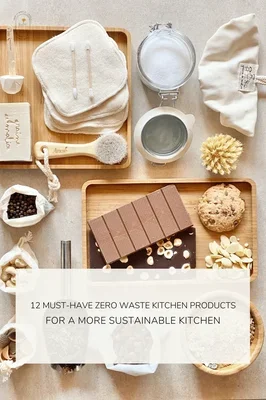
Visual guide about How to Create a Zero-waste Kitchen That Actually Works
Image source: keepitsimplelovely.com
The battle against waste in your kitchen largely begins before items even enter your home. By being strategic with your shopping choices and thoughtful about how you store your groceries, you can dramatically reduce the amount of trash and food waste you generate. This proactive approach is fundamental to creating a truly effective zero-waste kitchen.
Plan Your Meals and Grocery List
Spontaneous shopping often leads to impulse buys and unnecessary items that eventually become waste. Before you head to the store, take a few minutes to:
- Check your pantry and fridge: See what you already have.
- Plan meals for the week: This ensures you buy only what you need.
- Write a detailed grocery list: Stick to it!
Meal planning not only reduces food waste but also saves you money and time, making your journey toward a zero-waste kitchen much smoother.
Shop in Bulk and Bring Your Own Containers
One of the easiest ways to reduce packaging waste is to shop the bulk bins. Many grocery stores offer bulk sections for grains, nuts, seeds, pasta, coffee, spices, and even liquids like oil and soap.
- Bring reusable bags: Always have a stash of reusable shopping bags ready.
- Use mesh produce bags: Ditch the flimsy plastic bags for fruits and vegetables.
- Bring your own containers: For bulk items, weigh your empty containers first (tare weight) at customer service, then fill them up. This eliminates single-use plastic bags entirely.
Shopping this way directly cuts down on packaging, which is a cornerstone of a functional zero-waste kitchen. Look for local zero-waste stores or co-ops that specialize in this model.
Choose Package-Free or Minimally Packaged Items
When bulk options aren’t available, prioritize items sold with minimal or recyclable packaging.
- Opt for glass or metal: These are infinitely recyclable compared to most plastics.
- Buy fresh produce loose: Skip the pre-packaged fruits and vegetables.
- Support local farmers: Farmer’s markets often offer produce without packaging and allow you to bring your own bags. Plus, you’re supporting your community!
Every choice you make at the store impacts the overall waste footprint of your zero-waste kitchen.
Store Food Properly to Extend Shelf Life
Food waste is a huge component of household trash. Proper storage can significantly reduce spoilage.
- Use airtight containers: Glass containers, stainless steel containers, or beeswax wraps keep food fresh longer than plastic wrap or bags.
- Understand your fridge: Different areas have different temperatures. Store leafy greens in crisper drawers, and dairy in colder sections.
- Label and date: Know what you have and when it needs to be eaten. Implement a “first in, first out” system.
- Freeze wisely: Freeze leftovers, extra produce, or bulk-bought items before they spoil.
By extending the life of your food, you prevent it from becoming waste, a key principle of a truly efficient zero-waste kitchen.
3. Cooking Smarter, Eating Better: Reducing Food Waste
Beyond smart shopping, the way you cook and consume food in your kitchen plays a huge role in minimizing waste. Food waste is not only an environmental issue but also an economic one, as you’re literally throwing away money. Adopting mindful cooking practices is an essential part of maintaining a practical zero-waste kitchen.
Master Meal Planning and Portion Control
As mentioned, meal planning is paramount. It ensures you use what you buy and avoids last-minute takeouts, which often come with excessive packaging.
- Cook in batches: Prepare larger quantities of staples like grains or roasted vegetables at the beginning of the week.
- Portion out meals: This prevents overeating and ensures you have just enough, reducing plate waste.
- Repurpose leftovers: Get creative! Leftover roasted chicken can become a salad, soup, or sandwich filling.
This proactive approach to meal management is a cornerstone of a functional zero-waste kitchen.
Get Creative with Food Scraps
Many parts of fruits and vegetables that we typically discard are perfectly edible and nutritious.
- Vegetable broth: Keep a bag in your freezer for vegetable scraps (onion peels, carrot tops, celery ends) and use them to make a flavorful homemade broth.
- Citrus peels: Zest them for flavor, or candy them. They can also be infused in vinegar for an all-purpose cleaner.
- Fruit scraps: Apple cores and peels can be used for apple cider vinegar or infused water.
- Stale bread: Make croutons, bread pudding, or breadcrumbs.
By transforming scraps into something useful, you significantly reduce the organic waste leaving your zero-waste kitchen.
Compost Your Organic Waste
For the food scraps that truly can’t be eaten or repurposed, composting is the ultimate solution for a zero-waste kitchen. Instead of sending them to a landfill where they produce methane (a potent greenhouse gas), composting transforms them into nutrient-rich soil.
- Countertop compost bin: A small bin with a lid keeps odors contained until you can transfer scraps.
- Backyard compost pile: If you have a yard, a simple pile or bin is easy to set up.
- Worm farm (vermicomposting): A great option for smaller spaces, worms efficiently break down food scraps.
- Community composting programs: If home composting isn’t feasible, check for local drop-off sites or pickup services.
Composting closes the loop on food waste, making it an indispensable part of any aspiring zero-waste kitchen.
4. Reusable Alternatives: Ditching Disposables
One of the most visible and impactful changes you can make in your quest for a zero-waste kitchen is replacing single-use items with durable, reusable alternatives. This not only cuts down on waste but often saves money in the long run.
Switch from Paper Towels to Reusable Cloths
Paper towels are a major source of waste in many kitchens.
- Microfiber cloths or old towels: Cut up old t-shirts, towels, or sheets into rags for cleaning spills.
- “Unpaper” towels: These are washable, absorbent cloth towels that often snap together and roll up just like paper towels.
Keep a stack handy and a designated bin for dirty ones, and simply toss them in with your laundry. This simple swap makes a huge difference in your zero-waste kitchen’s trash output.
Replace Plastic Wrap and Aluminum Foil
These common kitchen staples are designed for single use.
- Beeswax wraps: A natural, reusable, and breathable alternative for wrapping sandwiches, covering bowls, and storing produce.
- Silicone lids and covers: Stretchy silicone lids fit over bowls and containers of various sizes, creating an airtight seal.
- Glass containers with lids: Perfect for storing leftovers, meal prep, and even freezing food.
- Stainless steel containers: Durable and great for packing lunches or storing dry goods.
These items are an investment, but they pay for themselves over time by eliminating the need for constant repurchasing of disposables, firmly establishing a more eco-conscious zero-waste kitchen.
Eco-Friendly Cleaning Supplies
Many conventional cleaning products come in plastic bottles, contain harsh chemicals, and contribute to waste.
- DIY cleaners: White vinegar, baking soda, and essential oils can tackle most cleaning tasks. For example, a mixture of vinegar and water makes an excellent all-purpose cleaner.
- Refillable bottles: Buy cleaning concentrates or bulk refills and use your own reusable spray bottles.
- Natural scrubbing brushes: Opt for brushes with wooden handles and natural bristles, which are compostable at the end of their life.
- Bar soap for dishes: A solid dish soap bar eliminates the need for plastic liquid soap bottles.
Making your own or choosing package-free cleaning products reduces plastic waste and exposes you to fewer chemicals, aligning perfectly with a healthy zero-waste kitchen.
Reusable Coffee and Tea Solutions
For the daily coffee or tea ritual, there are many opportunities to reduce waste.
- Reusable coffee cups/mugs: For your daily commute or cafe visits.
- French press or pour-over: Avoids single-use coffee pods.
- Reusable tea bags or loose leaf tea: Steer clear of individually wrapped tea bags or those made with plastic.
These small changes add up over time, contributing significantly to a sustainable zero-waste kitchen.
5. Dealing with the Inevitable: Responsible Disposal and Upcycling
Even in the most diligently managed zero-waste kitchen, some waste will be inevitable. The final step in creating an effective zero-waste kitchen is knowing how to handle these items responsibly, prioritizing options beyond the landfill.
Maximize Your Recycling Efforts
Understand what your local recycling facility accepts. Recycling guidelines vary widely by municipality, so what’s recyclable in one area might not be in another.
- Check local guidelines: Visit your city’s waste management website.
- Rinse containers: Clean containers properly to avoid contaminating other recyclables.
- Know your plastics: Learn which plastic numbers (usually found in a triangle on the item) are accepted.
- Recycle beyond the bin: Some items (e.g., plastic bags, batteries, electronics) require special drop-off locations, not your curbside bin.
Proper recycling ensures that materials can actually be processed and reborn, a crucial part of a truly zero-waste kitchen system.
Upcycling and Repurposing
Before you toss something, think if it can have a second life. Upcycling transforms old items into new, useful objects, while repurposing finds a new function for an item as is.
- Glass jars: Perfect for bulk food storage, DIY candles, or vases.
- Plastic tubs: Can be used for organizing drawers, storing pet food, or as small planters.
- Old clothing/towels: Cut into cleaning rags, or donate to textile recycling if available.
This creative approach extends the lifespan of items and prevents them from becoming waste, adding another layer to your zero-waste kitchen efforts.
Support Brands with Sustainable Practices
When you do need to buy new items, prioritize brands that are committed to sustainability. Look for:
- Recycled content: Products made from recycled materials.
- Ethical sourcing: Fair trade and responsibly sourced ingredients.
- Minimal and recyclable packaging: Brands that actively reduce their packaging.
- Take-back programs: Some companies offer programs to take back their old products for recycling or refurbishing.
Your purchasing power is a powerful tool. By supporting eco-conscious brands, you encourage more sustainable practices across industries, which in turn makes it easier to maintain a zero-waste kitchen.
Conclusion: Your Zero-Waste Kitchen Journey
Creating a zero-waste kitchen is an ongoing journey, not a destination of instant perfection. It’s about making mindful choices, one habit at a time, to reduce your impact on the planet. You don’t need to overhaul everything overnight or strive for a perfectly empty trash can from day one. Instead, focus on the progress you make and celebrate each small victory.
By shifting your mindset, shopping smarter, cooking mindfully, embracing reusable alternatives, and responsibly managing the waste that remains, you’re not just reducing your household trash; you’re cultivating a more intentional, resourceful, and sustainable way of living. Your zero-waste kitchen will not only benefit the environment but also often save you money, inspire healthier habits, and bring a sense of calm and purpose to your daily routine. So, take that first step, be patient with yourself, and enjoy the rewarding process of building a zero-waste kitchen that truly works for you and the planet.
Frequently Asked Questions
How quickly can I transition to a zero-waste kitchen?
Transitioning to a zero-waste kitchen is a gradual process, not an overnight switch. It’s more effective to adopt changes slowly, focusing on one or two habits at a time. This allows you to build sustainable routines that genuinely stick.
What are some common items I can easily replace in a zero-waste kitchen?
Easy swaps include replacing plastic wrap with beeswax wraps or silicone lids, paper towels with reusable cloth rags, plastic bags with reusable shopping and produce bags, and conventional cleaning products with DIY or refillable options.
Does creating a zero-waste kitchen mean I have to go fully minimalist?
Not necessarily. While minimalism can often complement a zero-waste lifestyle, the primary goal is waste reduction, not decluttering for its own sake. You can have a functional and well-equipped kitchen without generating excessive waste, even if it’s not strictly minimalist.
How do I handle unavoidable plastic packaging when aiming for a zero-waste kitchen?
When you can’t avoid plastic packaging, try to choose items that come in widely recyclable plastics (check local guidelines) and ensure they are clean before recycling. Also, consider if there are brands offering similar products in more sustainable packaging for future purchases.
Can a family with kids realistically maintain a zero-waste kitchen?
Absolutely! A zero-waste kitchen is very achievable with kids. Involve them in the process, like choosing reusable lunch containers, helping with composting, or repurposing items for crafts. It teaches them valuable lessons about sustainability and resourcefulness.
What if I occasionally slip up and use a disposable item?
It’s perfectly normal to have occasional slip-ups; don’t let it discourage you. The goal of a zero-waste kitchen is progress, not perfection. Acknowledge it, learn from it, and get back on track. Every effort you make contributes positively to the environment.